

Every parent knows the feeling when school lets out: the schedule loosens, screens take over, and energy has nowhere to go. A youth basketball summer camp turns those long, open weeks into something useful. Kids move, compete, make friends, and improve at a game they love. At DEVELUP Basketball in Holbrook, NY, the Summer program is built around this idea, using the warmer months to help players in grades 3-12 grow in skill and confidence.
Why Summer Is the Best Time for Kids to Level Up
During the school year, practice time competes with homework, tests, and activities. Summer removes most of that pressure. Players can focus on basketball for several hours a day, which makes repetition possible in a way a weekly practice can’t match.
Fundamentals like dribbling with the off-hand, finishing with either hand, and footwork on defense only stick when they are repeated often. A full week of camp can deliver more quality touches than a month of regular practices. That concentrated time is why young players often return to school noticeably sharper.
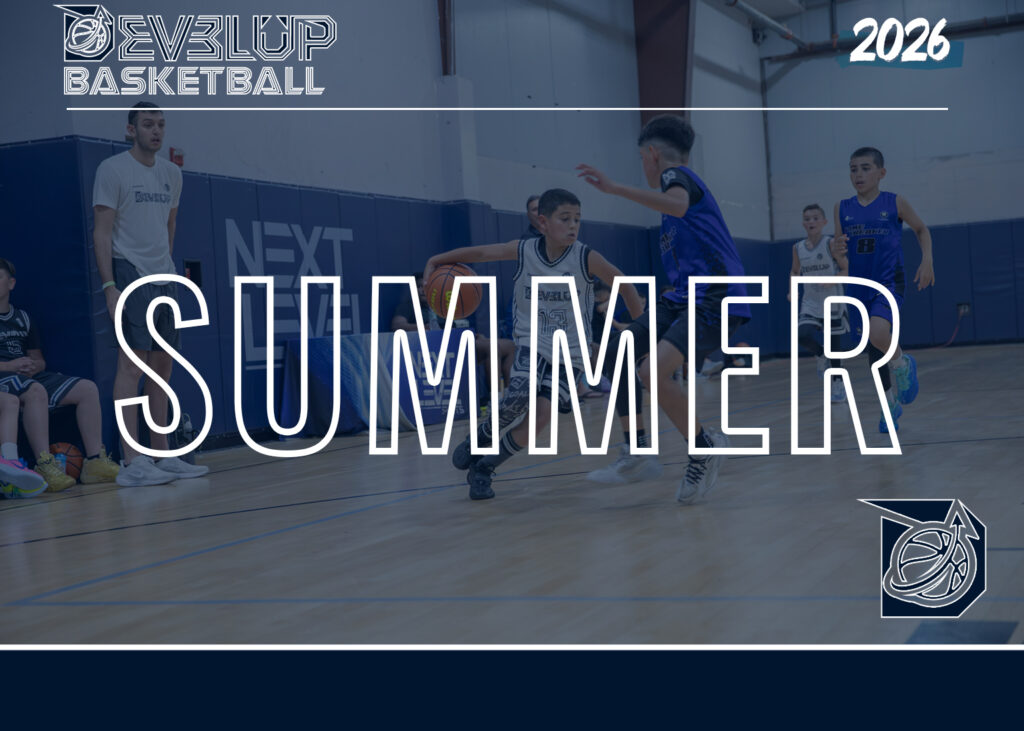
What a Strong Youth Basketball Summer Camp Looks Like
Not every camp is built the same way. A well-run camp usually follows a clear daily rhythm:
- Warm-up and movement work: Dynamic stretching, footwork, and coordination drills prepare young bodies and build good habits from the first minute.
- Skill stations: Small groups rotate through ball handling, shooting form, passing, and finishing, so every child gets repetitions instead of waiting in line.
- Small-group instruction: Coaches group players by age and ability, so a third grader learning the basics isn’t lost next to a high schooler working on advanced moves.
- Game play: Scrimmages, 3-v-3, and competitions let kids apply what they just learned under real game conditions.
- Cool-down and feedback: Short talks help players understand what they improved and what to work on next.
The Skills Kids Actually Walk Away With
Parents often ask what changes after a week or two of camp. The answer goes beyond making more shots. Here is what players typically develop:
- Ball handling: Tighter dribbles, change of pace, and comfort using both hands without looking down.
- Shooting mechanics: Balanced form, a consistent release, and better footwork before the shot.
- Passing and vision: Seeing teammates early and delivering the ball on time and on target.
- Defensive fundamentals: Stance, positioning, and communication, which are often overlooked but win games.
- Basketball IQ: Reading spacing, understanding when to cut, and making quicker decisions with the ball.
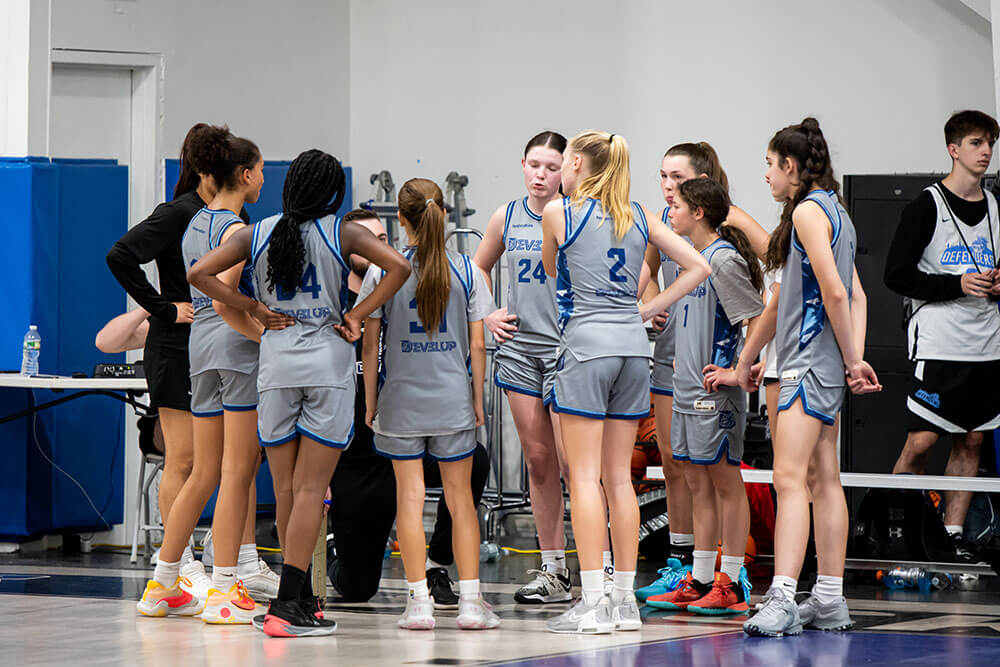
Benefits of a Youth Basketball Summer Camp Beyond the Court
The scoreboard is only part of the story. Kids who attend camp often show growth in ways parents notice at home.
Confidence. Mastering a new skill, even a small one, gives a child proof that effort pays off. That feeling carries into the classroom and friendships.
Teamwork and communication. Basketball forces players to talk, trust, and share the ball. Those habits help in group projects and, later, in the workplace.
Resilience. Missed shots and lost scrimmages are part of camp. Coaches who frame mistakes as information teach kids to bounce back rather than quit.
Healthy routine. A structured day with real exercise, good sleep, and less screen time makes summer feel productive instead of aimless.
The “Summer Slide” Nobody Talks About
Teachers talk about the summer slide, the learning loss that happens when students take a long break from school. Basketball has its own version. Players who stop handling the ball for ten weeks often return to find their touch, timing, and conditioning have slipped, while peers who kept training have moved ahead.
Camp is a simple fix. It keeps skills active and gives kids a reason to stay moving. For players who want year-round progress, DEVELUP also offers youth basketball training that can complement camp weeks with regular individual and group sessions.

How to Choose the Right Youth Basketball Summer Camp
With so many options on Long Island, a few questions can help you decide:
- Who is coaching? Look for experienced coaches with a development mindset rather than a win-at-all-costs approach.
- What is the coach-to-player ratio? Smaller groups mean more feedback for your child.
- Is the camp grouped by age and ability? Mixed levels without structure can frustrate beginners and bore advanced players.
- What is the culture? Visit, watch a session, or talk to other parents. A positive environment matters as much as the drills.
Programs connected to established training facilities tend to offer more consistency. Rossetti Basketball, the training organization behind DEVELUP, has built its reputation on structured development and a supportive team culture.
Keeping the Momentum Going After Camp
Camp should be the start of a routine, not a one-time event. The best results come when kids keep playing through the year, and DEVELUP organizes its programming by season so families can stay involved without burnout.
After summer, the Fall program gives players a chance to apply their new skills in league play. When the weather turns cold, the Winter schedule keeps them in the gym, and you can learn more about the winter youth basketball program for details on what to expect. As the year turns, Spring brings another chance to compete and test progress. To see everything in one place, visit the season page and find the right fit for your child’s age and goals.
Final Thoughts on the Youth Basketball Summer Camp Experience
A good camp does more than fill a calendar. It gives children a place to sharpen skills, build friendships, and discover how far effort can take them. Whether your child is picking up a basketball for the first time or preparing for a high school roster spot, summer is the ideal moment to invest in their growth. Reach out to DEVELUP at 631-646-1471 to ask about upcoming programs and find the right team for your player.
FAQs
Q. What ages is a youth basketball summer camp meant for?
Most camps cover elementary through high school. DEVELUP serves boys and girls in grades 3-12, grouping players by grade and ability.
Q. Does my child need experience to join?
No. Camps welcome beginners as well as experienced players. Coaches adjust drills so every child is challenged at the right level.
Q. How is camp different from regular team practice?
Camp is more concentrated. Players spend several hours a day on skills and games, which allows far more repetition than a weekly practice.
Q. What should my child bring?
Basketball shoes, a water bottle, comfortable athletic clothes, and a positive attitude. Ask the camp whether lunch or snacks are provided.
Q. Will camp help my child make a school or travel team?
It can help. Better skills and confidence improve tryout performance, though results depend on effort and consistency.
Q. How do I know which camp is right for my child?
Check coaching experience, group sizes, age grouping, and the overall culture. If possible, speak with staff or visit a session first.