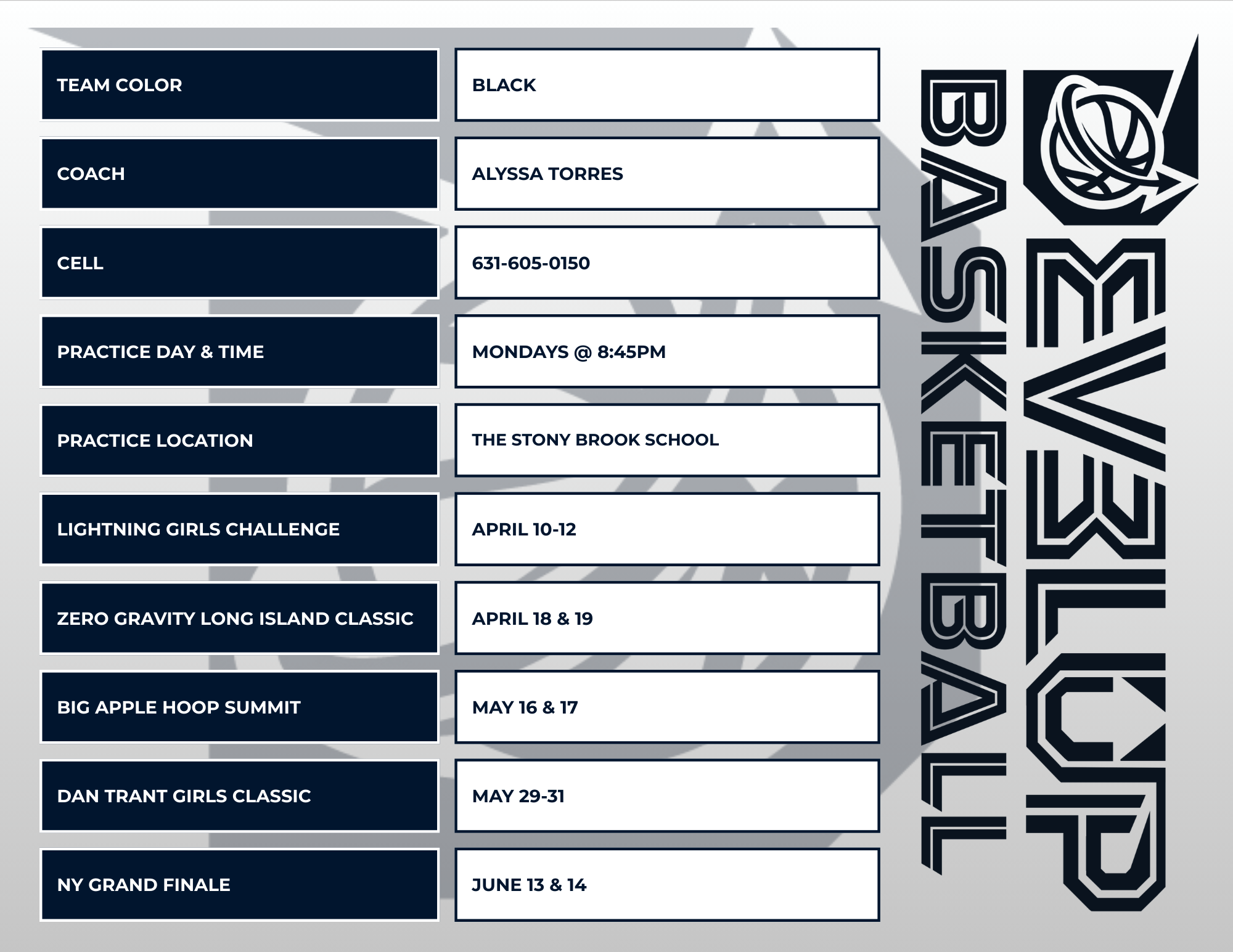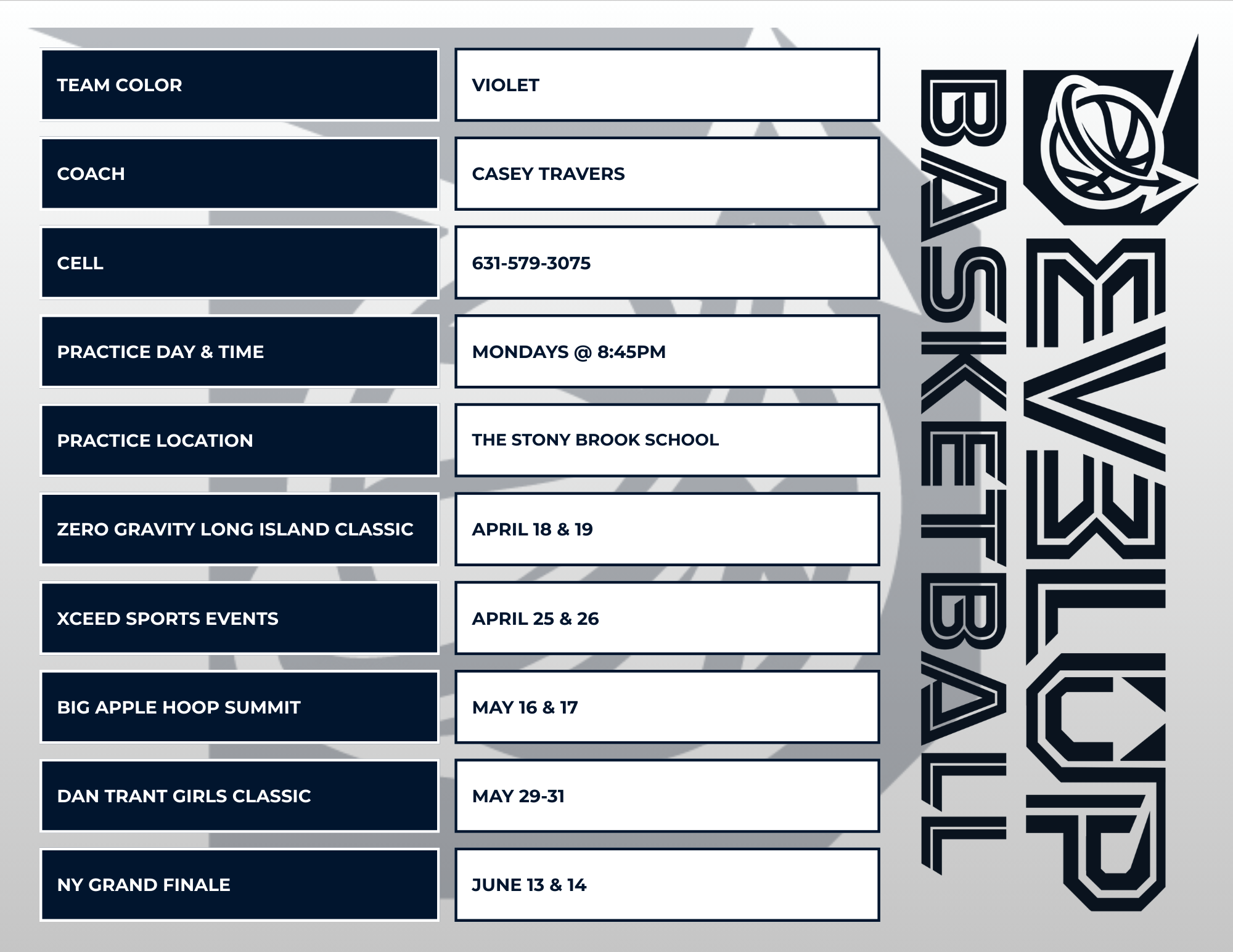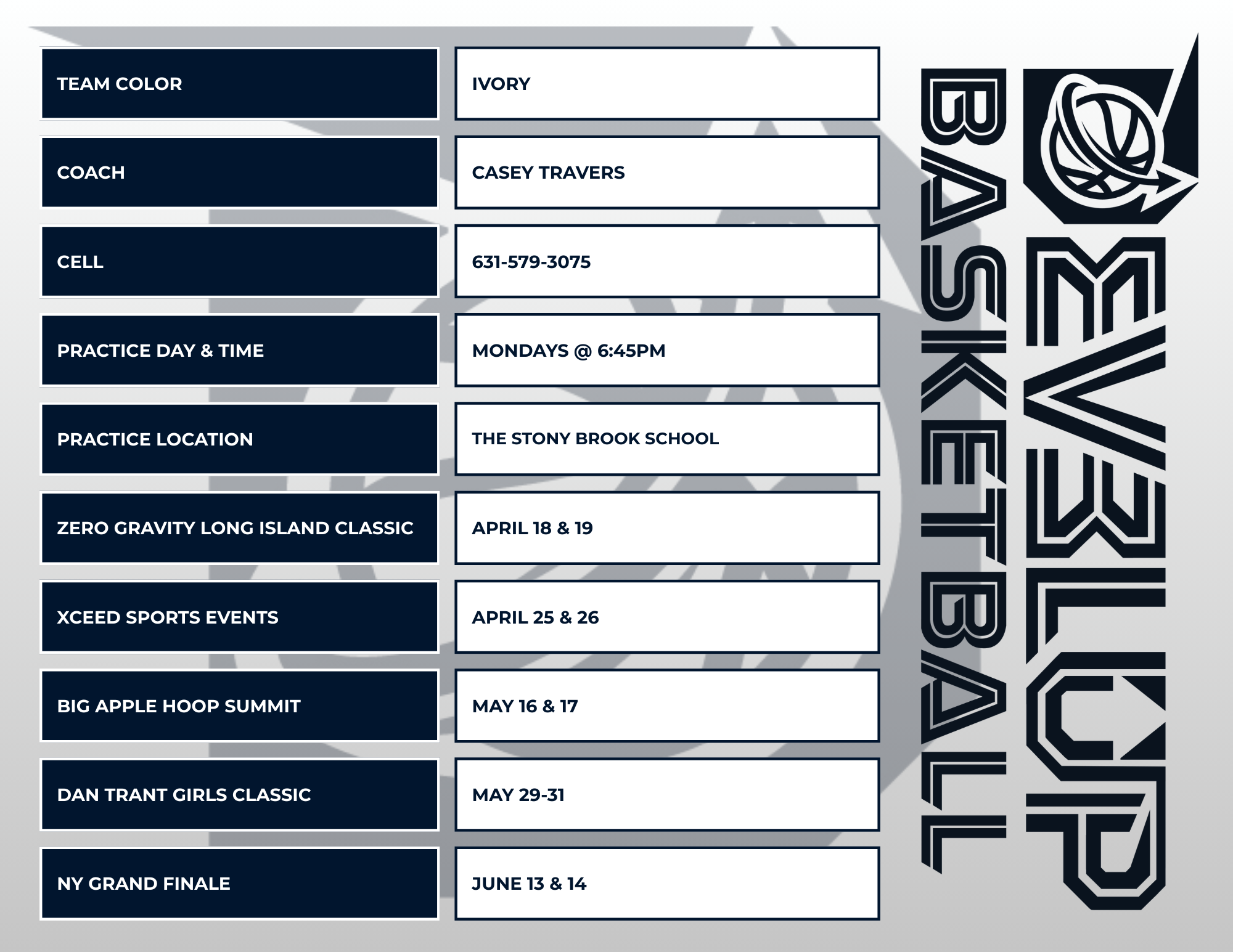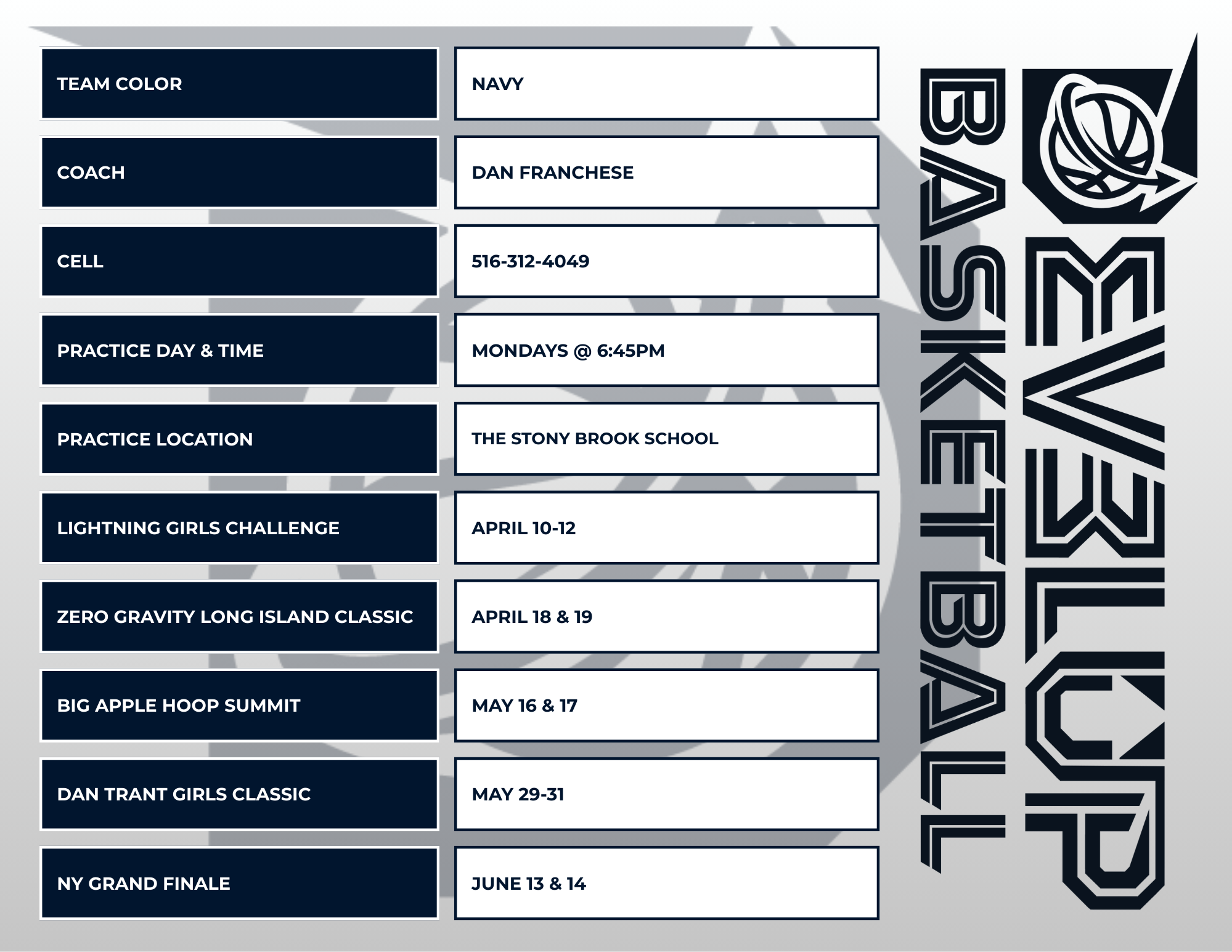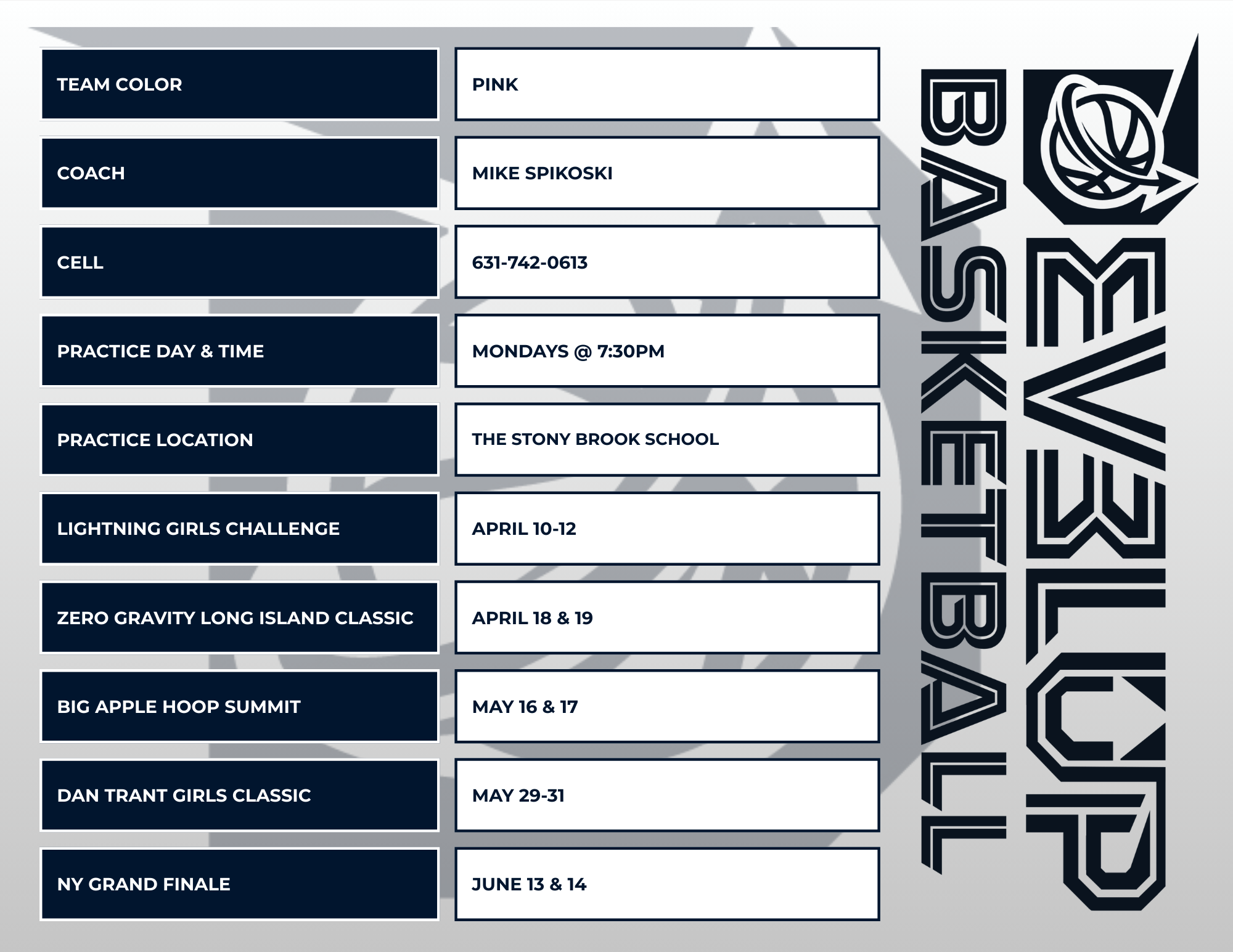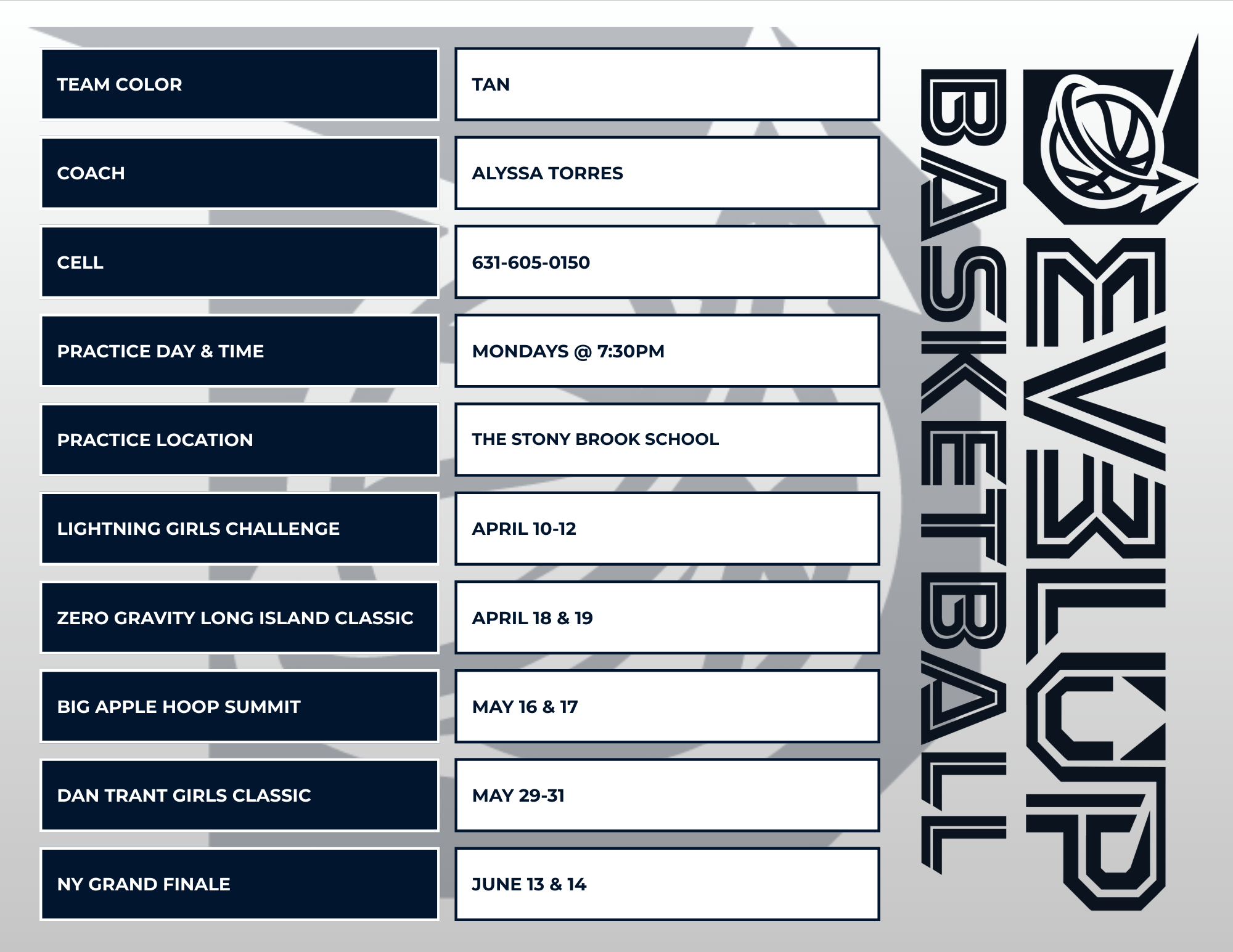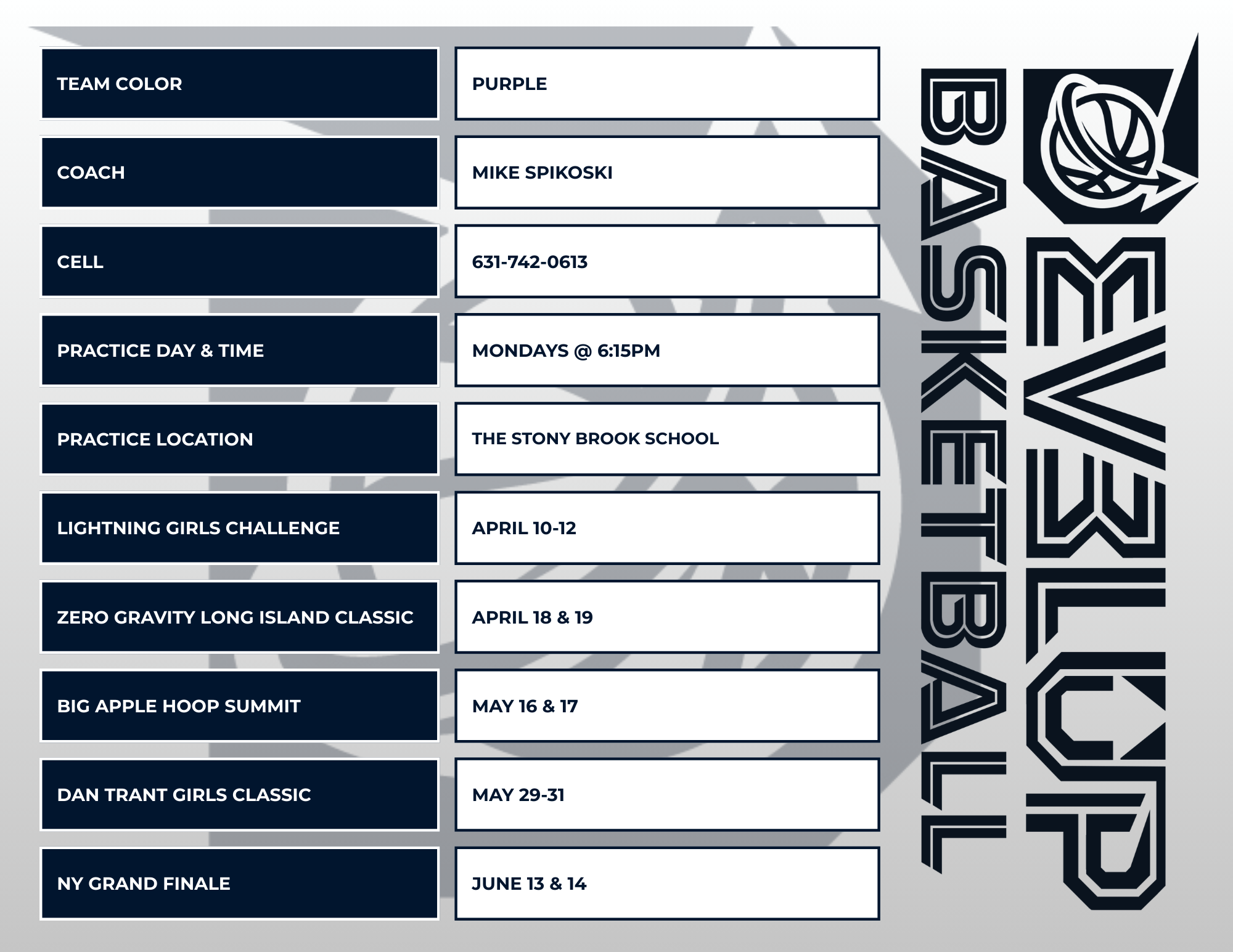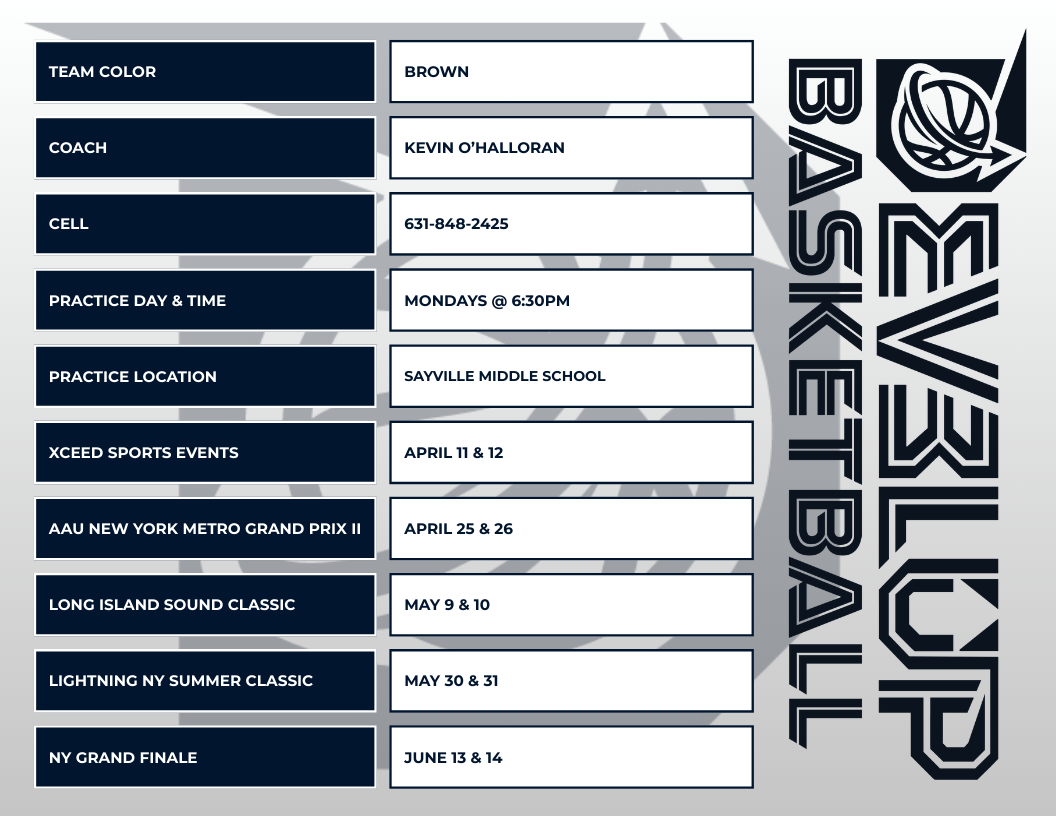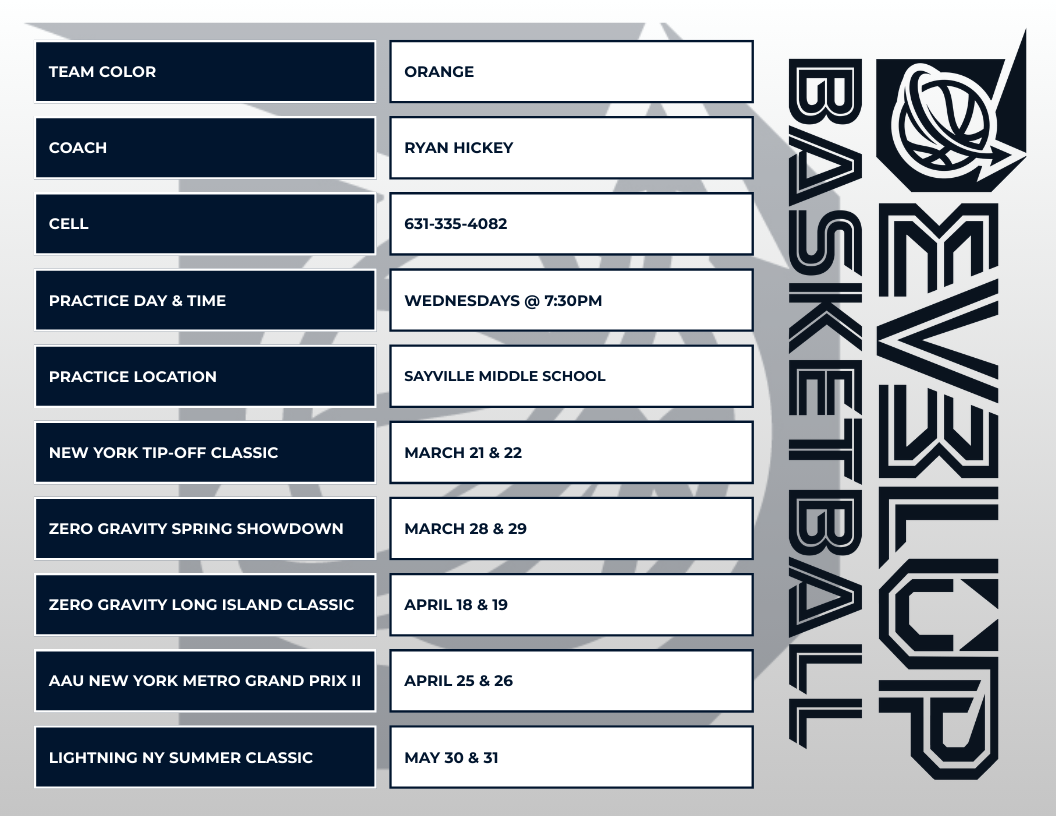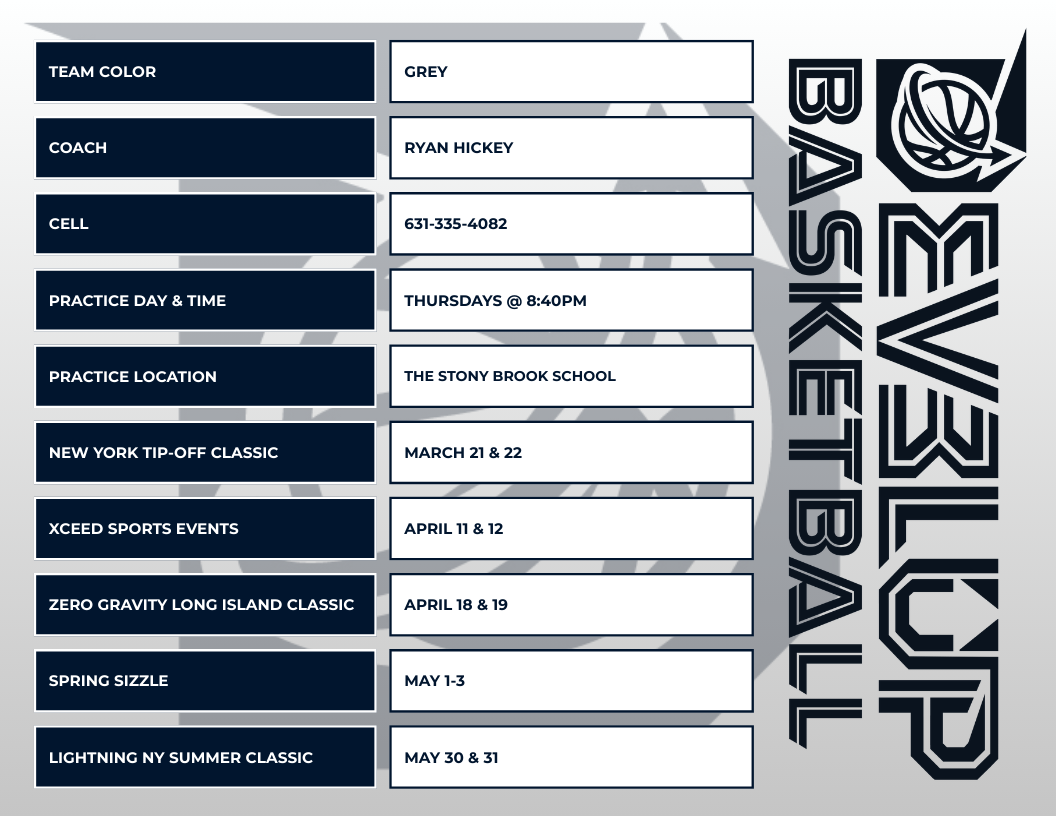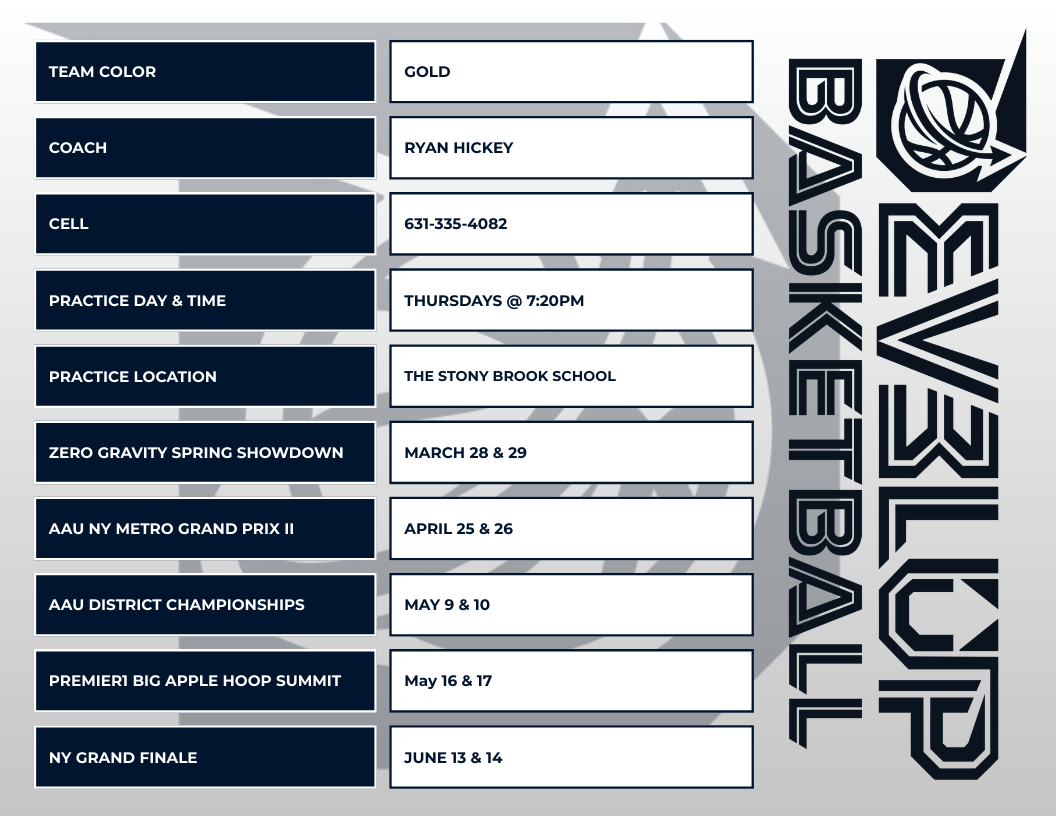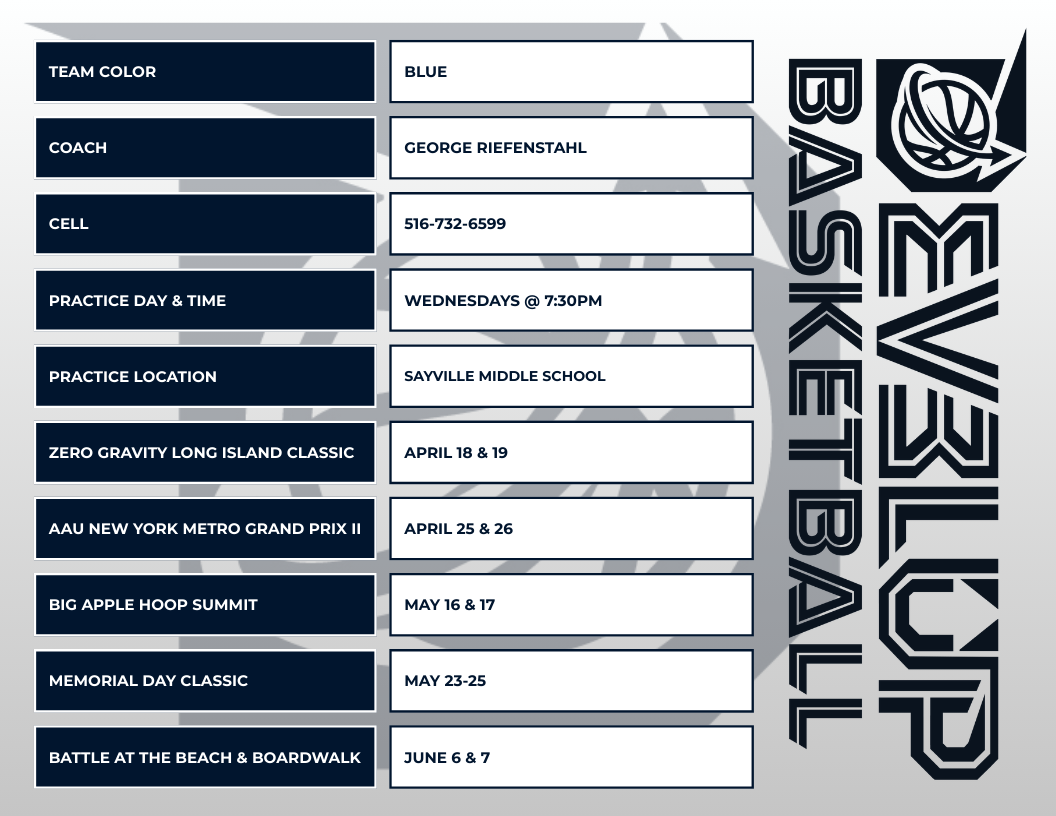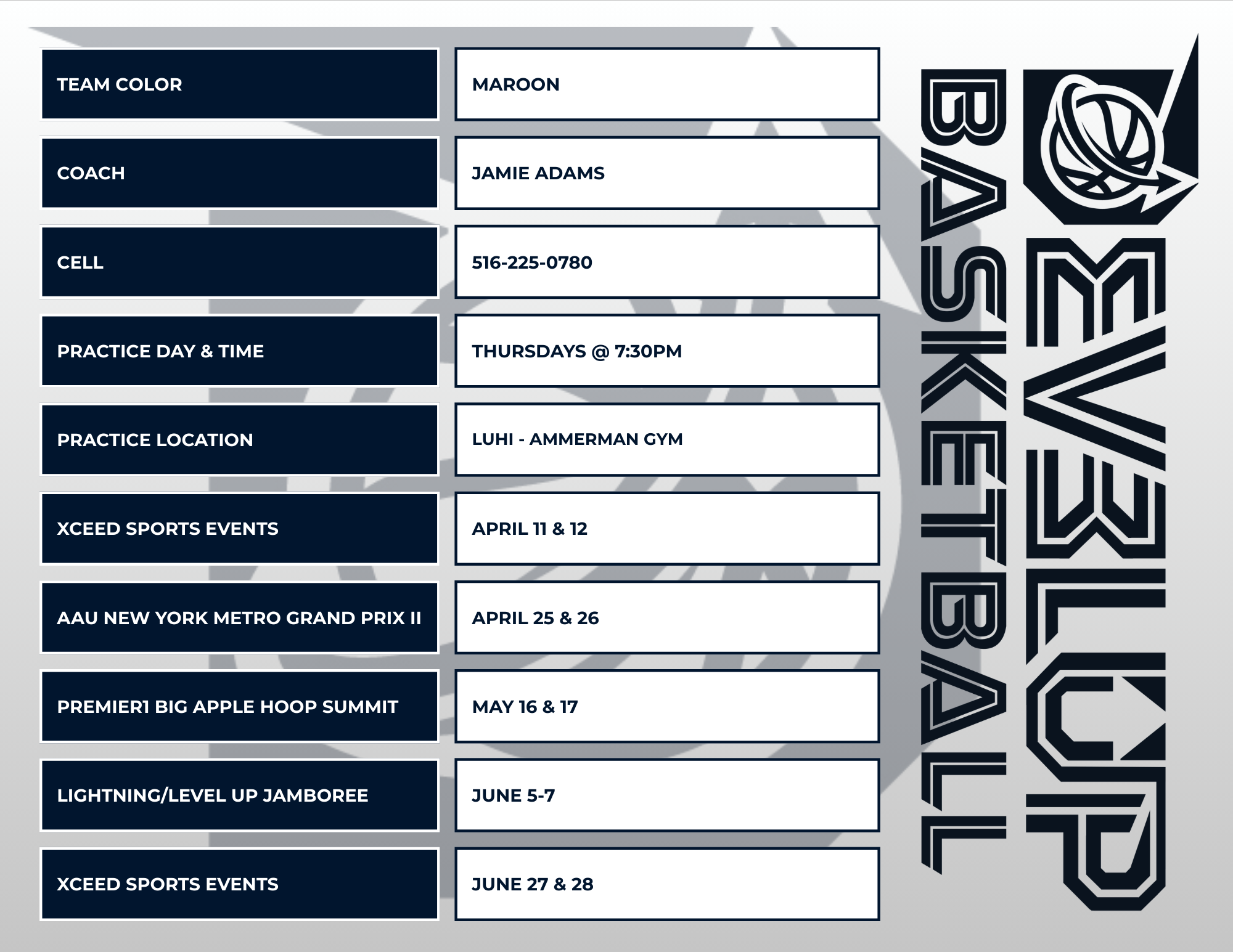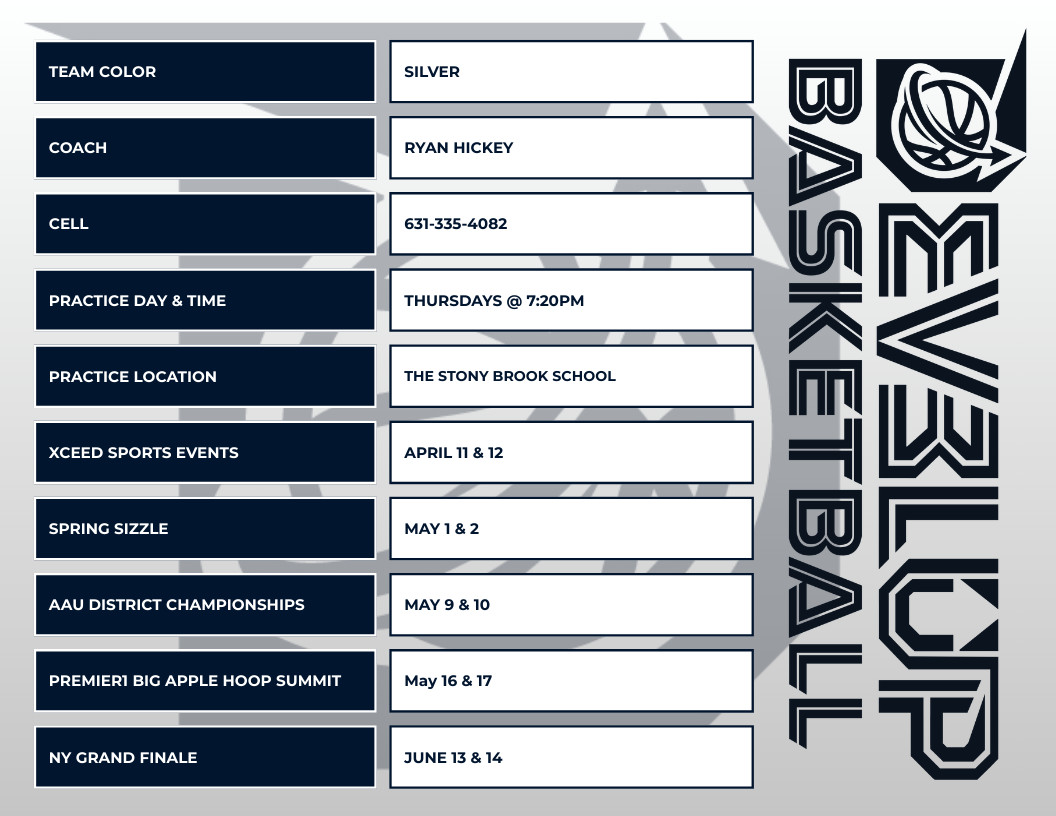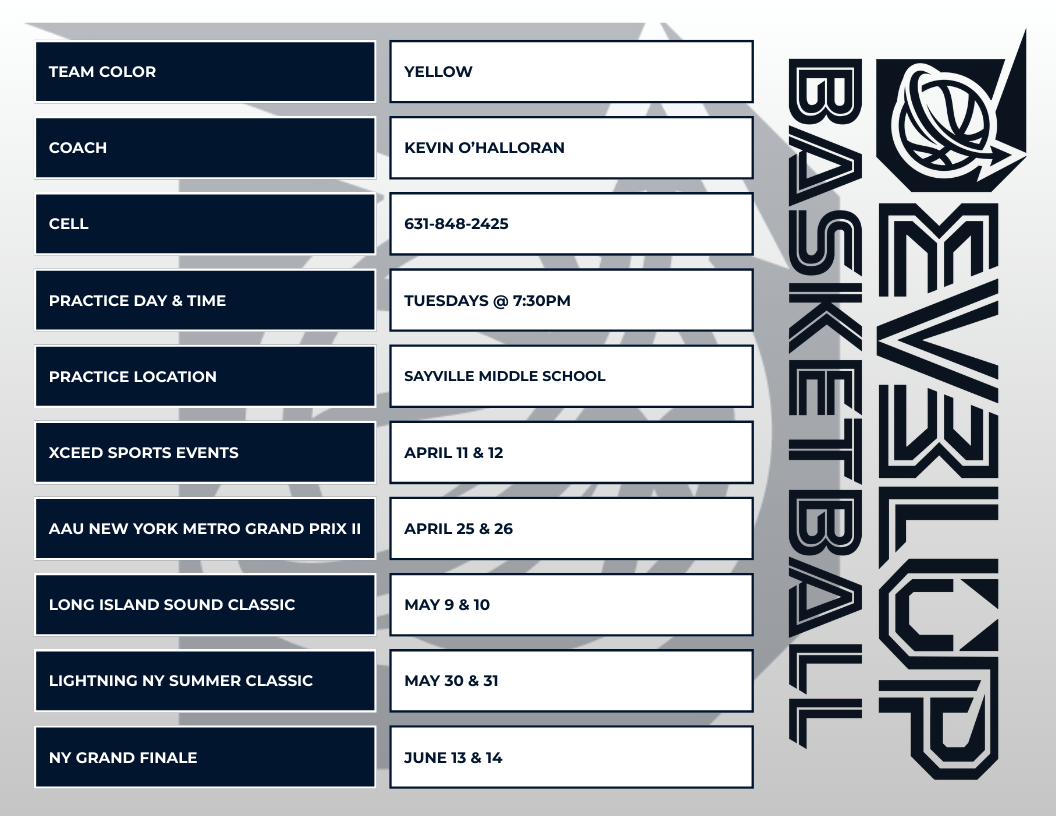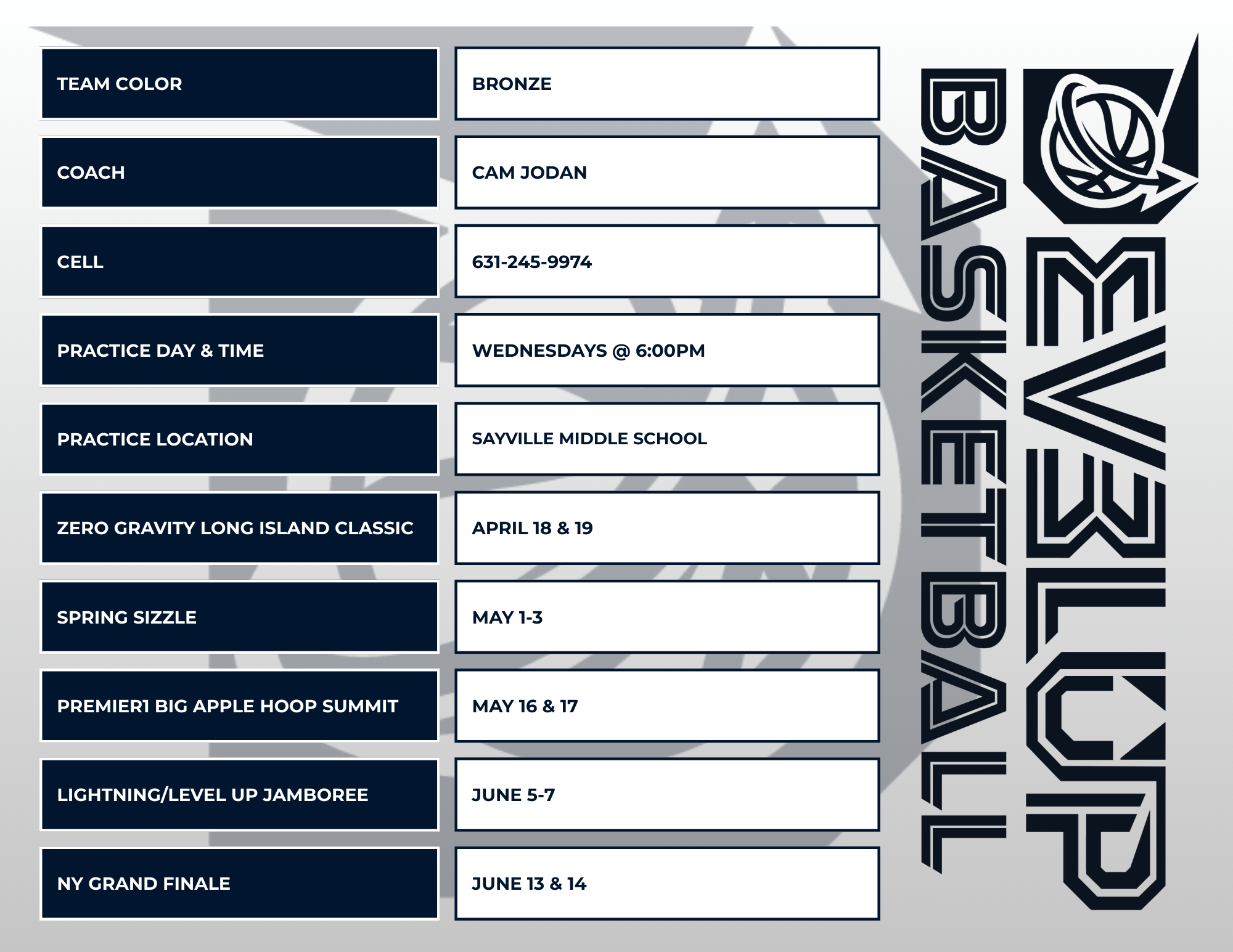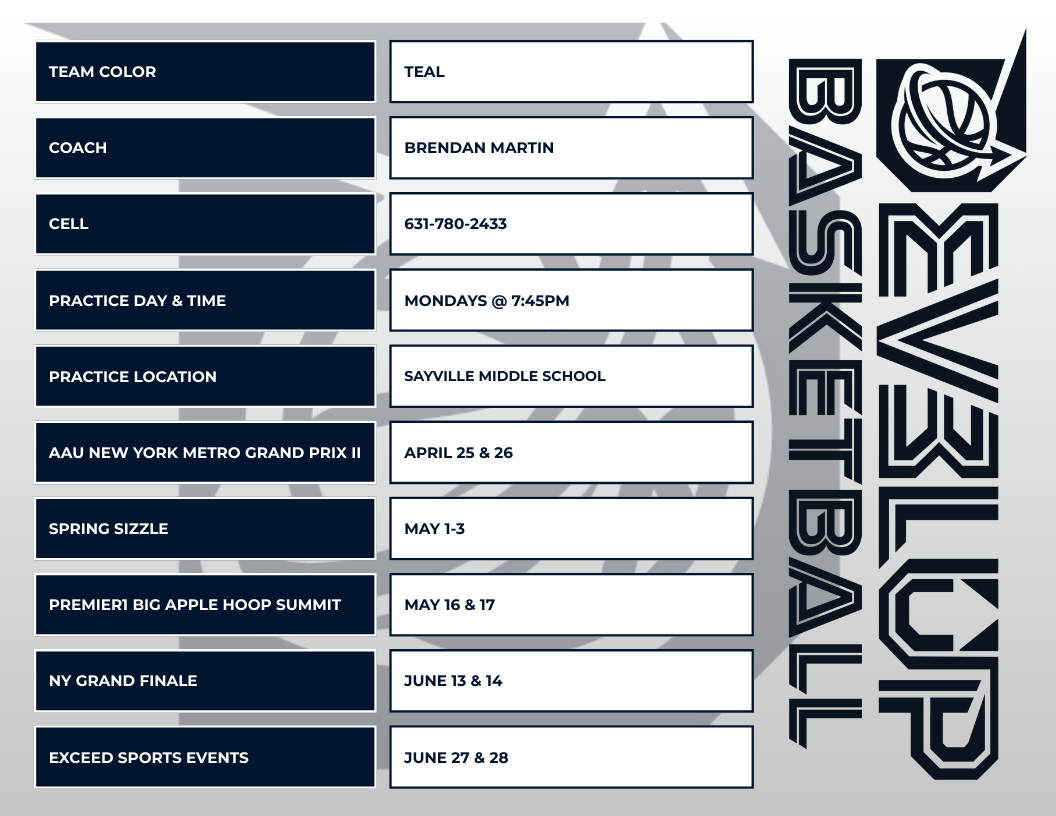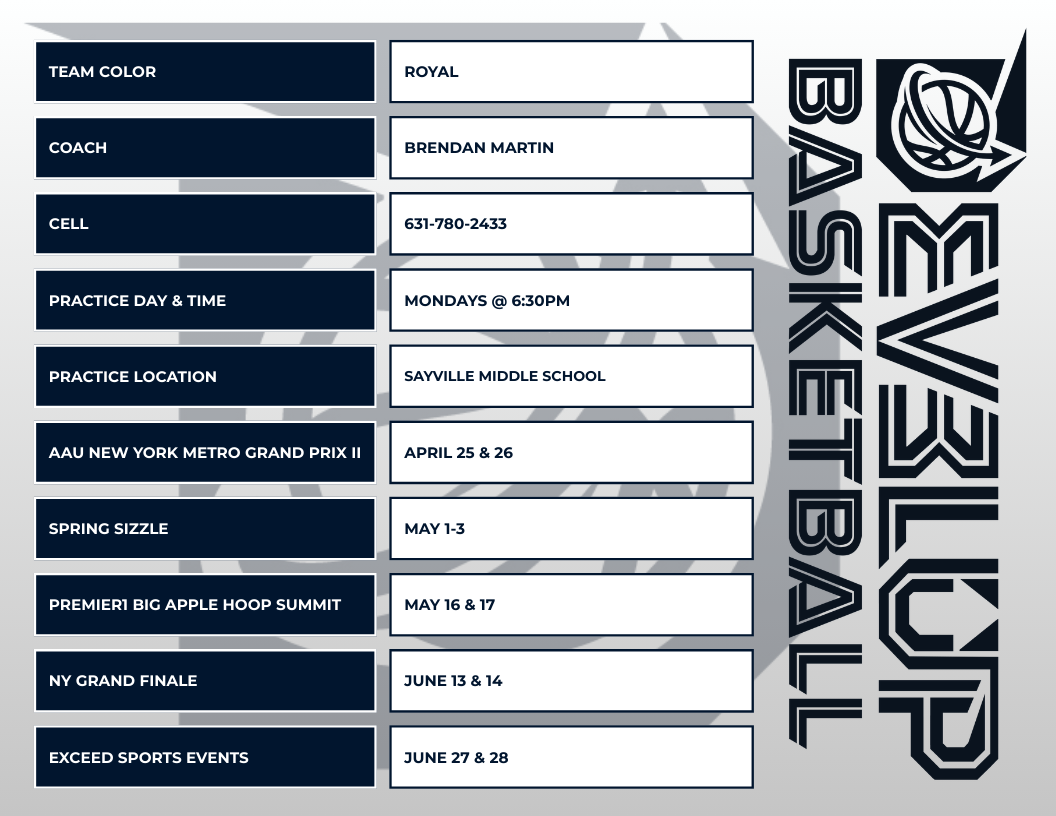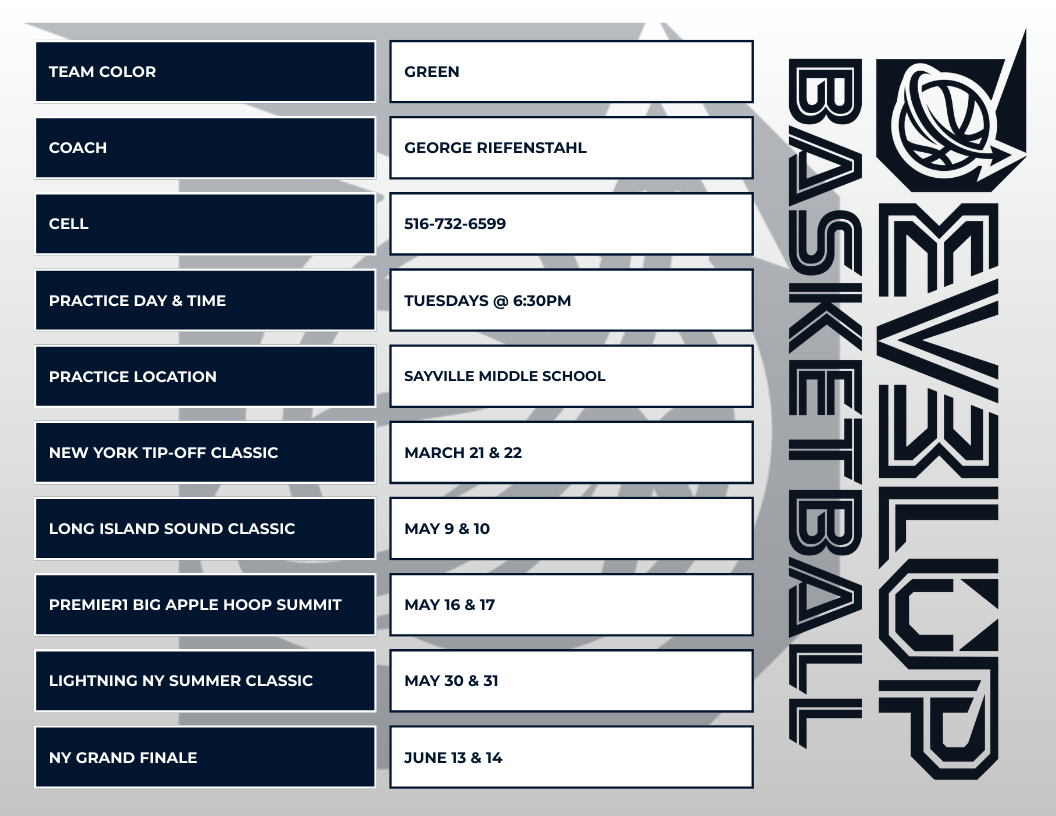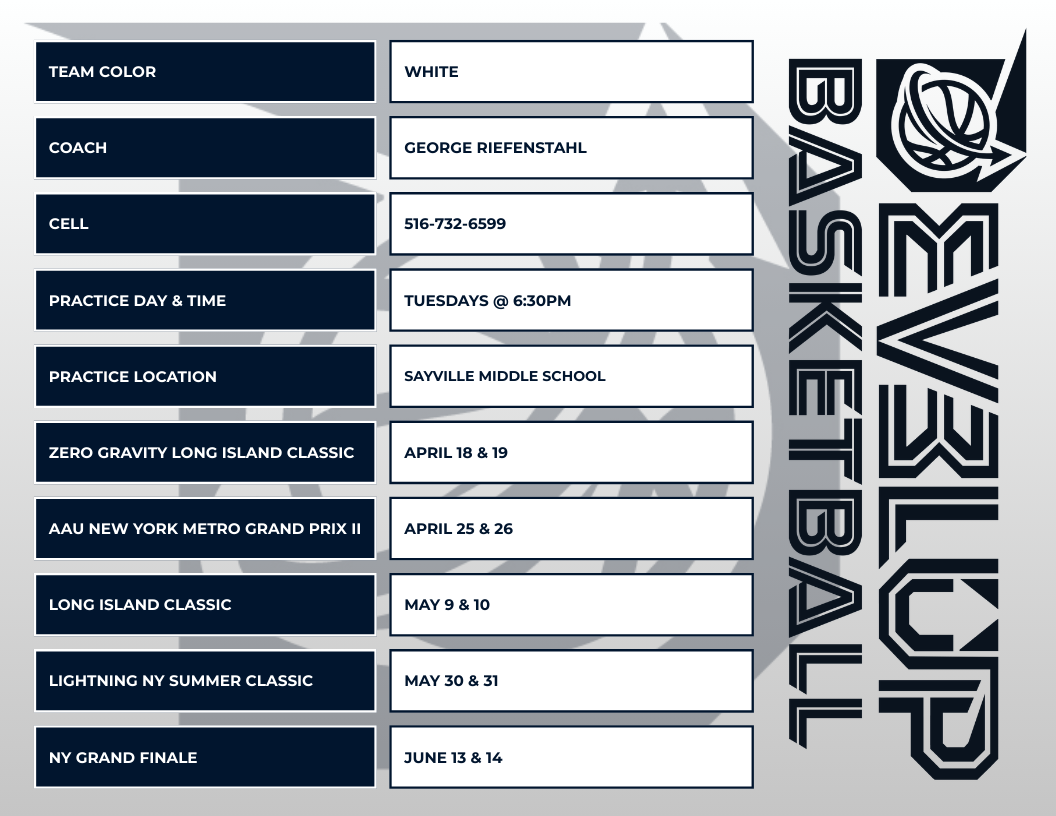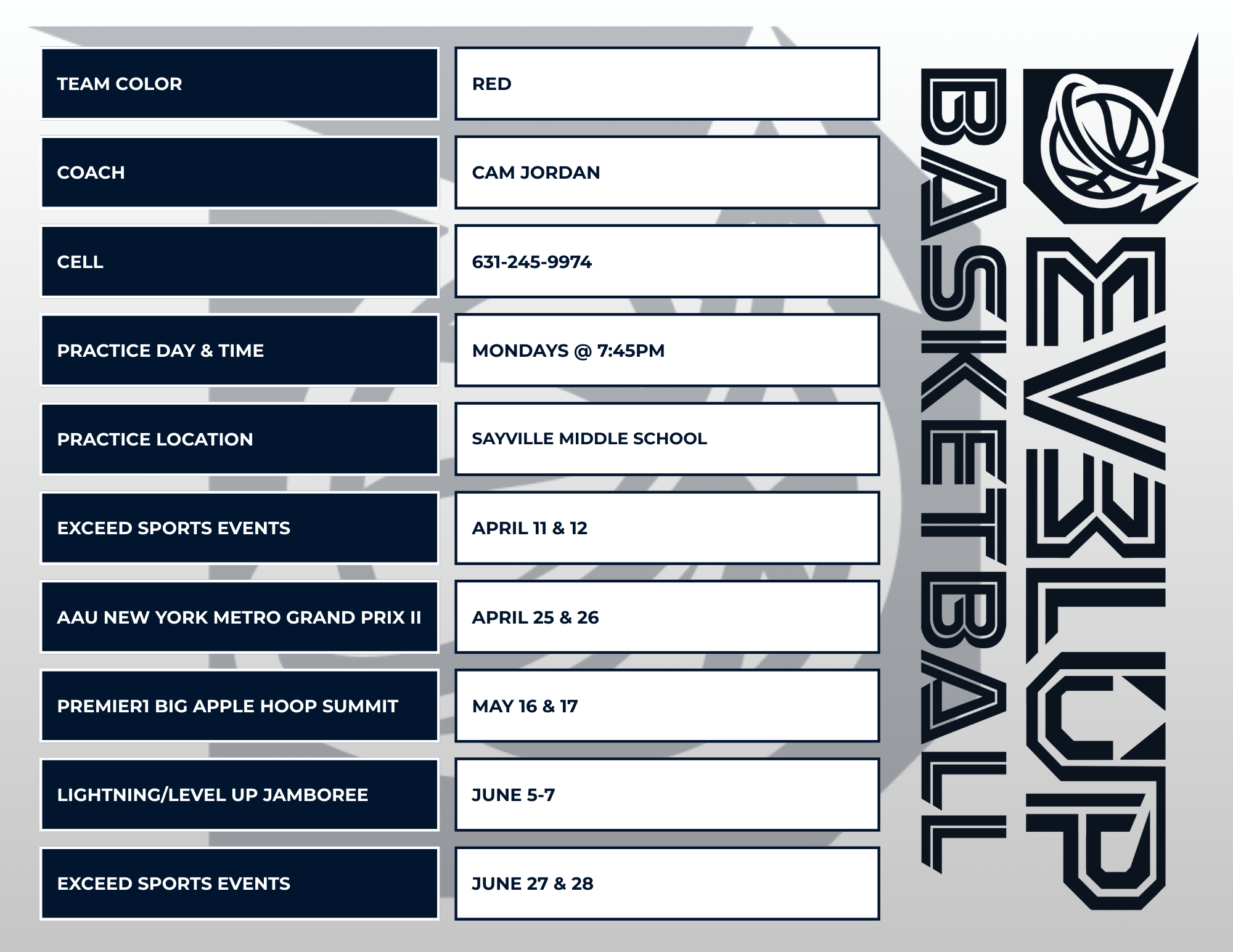


If you’ve spent a Saturday morning driving from one gym to another across Suffolk County, cup of coffee in hand, watching your kid chase down a loose ball, you already know what travel basketball is really about. It isn’t just a schedule of games — it’s a season-long relationship between a player, a coach, and a team that grows together. Suffolk County basketball travel teams have become one of the most popular ways for young athletes on Long Island to sharpen their skills, build friendships, and test themselves against real competition outside their hometown gym.
This blog walks through what makes travel basketball in Suffolk County different from house league or rec ball, how a typical season unfolds from practice to tip-off, and what families should know before signing up.
What Makes Suffolk County Basketball Travel Teams Different
House league basketball is a great starting point, but it has a ceiling. Suffolk County basketball travel teams push past that ceiling by putting players in front of tougher competition, more structured coaching, and a genuine team culture that carries across an entire year, not just a ten-week session.

Here’s what typically sets a travel program apart:
- Structured, skill-based practices rather than casual pickup-style sessions
- Rostered teams that stay together across a season, building real chemistry
- Exposure to leagues and tournaments outside the local town or school district
- Coaches with playing and training backgrounds, often at the high school or college level
- A defined developmental pathway, from beginner-friendly teams up to more competitive travel squads
Programs like DEVELUP build their Season structure around this idea — players aren’t just filling a roster spot, they’re working through a plan designed to make them better with every practice.
The Journey: From Practice to Competition
Every great performance on game day starts weeks earlier in the gym. Suffolk County basketball travel teams generally follow a rhythm that looks something like this:
- Tryouts and team placement — players are evaluated and grouped by age and skill level
- Foundational practices — ball-handling, footwork, shooting mechanics, and team concepts
- Scrimmages and controlled competition — a low-pressure way to apply new skills
- League and tournament play — the real test, against teams from across Long Island and beyond
- In-season adjustments — coaches refine strategy and playing time based on how the team is developing
This progression matters because it protects players from being thrown into high-pressure games before they’re ready. A well-run program treats Training as the foundation the whole season is built on, not an afterthought squeezed in before a big game.
Why Seasonal Structure Matters
One thing that surprises a lot of families new to travel basketball is just how much the calendar shapes the experience. Suffolk County basketball travel teams typically run across four distinct seasons, and each one serves a different purpose in a player’s development:

Fall often focuses on rebuilding fundamentals after the offseason. Winter tends to be the most competitive stretch, with leagues in full swing. Spring brings a fresh wave of tournaments and new team formations, while summer is typically lighter on structure but heavy on exposure — think 3-v-3 events, camps, and open runs that keep players sharp. Choosing the right season to join can make a real difference in how quickly a player settles in.
Choosing the Right Program
Not every travel program is built the same way, and Suffolk County basketball travel teams can vary quite a bit in philosophy, intensity, and coaching style. A few questions worth asking before committing a season (and a fair amount of gas money) to a program:
- Does the program have a clear developmental pathway for different skill levels?
- Are coaches actively involved in Training sessions, or only present on game day?
- What leagues and tournaments does the team actually compete in?
- Is there a private or small-group training option to supplement team practices?
- How does the program communicate schedules, expectations, and player development?
For families comparing options, resources like this breakdown of Long Island travel basketball teams and this guide to the best Long Island travel basketball programs can help narrow the search before tryouts even begin.
The Bigger Picture: Where Travel Basketball Fits
It helps to remember that travel basketball is just one branch of a much larger basketball ecosystem. From local recreational leagues to international professional circuits, there’s a huge range of organized basketball out there — you can see just how broad that world is on this list of basketball leagues. Suffolk County basketball travel teams sit at an important point in that pipeline: they’re often where a young player first experiences organized, competitive basketball beyond their neighborhood gym, and for some, it’s the first step toward high school varsity or even college-level play.
If you’re specifically researching options closer to home, this overview of Suffolk County basketball teams is a useful next stop for comparing rosters, age groups, and season offerings in the area.
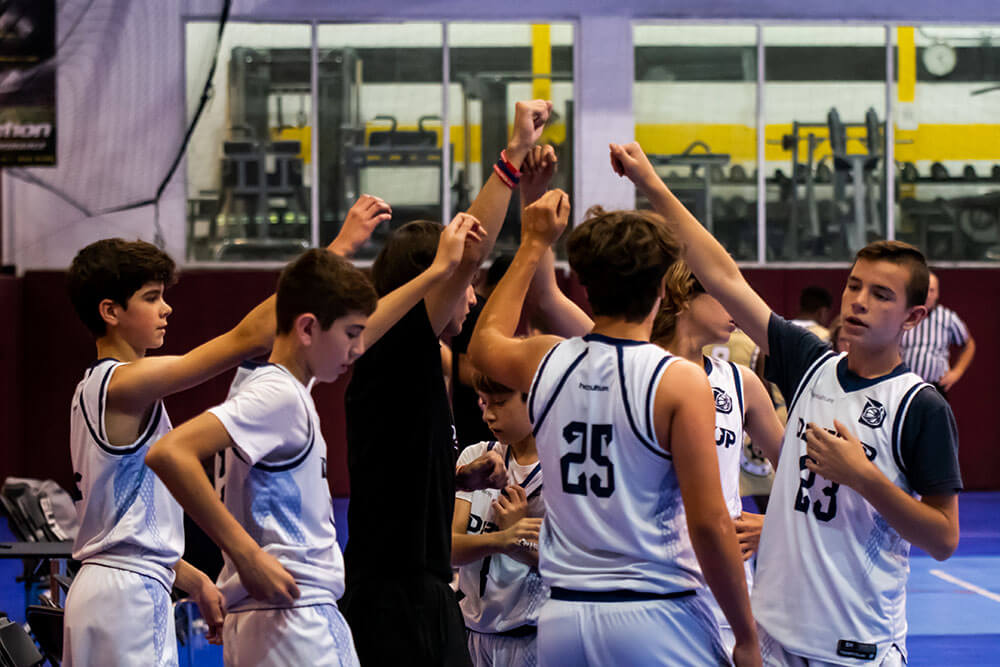
Final Thoughts
Suffolk County basketball travel teams offer more than just a busier weekend schedule — they offer a real pathway for young athletes to grow, compete, and fall in love with the game a little more each season. Whether your player is just starting out or ready for a more competitive challenge, understanding how practice, training, and competition fit together will help you choose a program that actually supports their development, season after season.
FAQs
Q. What age can a player start on Suffolk County basketball travel teams?
Most programs offer teams starting around age 7 or 8, with age-specific divisions that continue through high school. Younger age groups usually focus more on fundamentals, while older divisions ramp up competitive intensity.
Q. How is travel basketball different from house league?
House league is typically local, casual, and less competitive. Travel basketball involves rostered teams, more structured practices, and games against opponents from across Suffolk County and Long Island more broadly.
Q. How often do travel teams practice each week?
This varies by program and season, but most Suffolk County basketball travel teams practice one to three times per week, with additional games or tournaments on weekends during peak season.
Q. Why do teams change based on the season?
Because each season — Fall, Winter, Spring, and Summer — serves a different developmental purpose, from fundamentals-building to full competitive league play, rosters and focus areas often shift accordingly.
Q. Is private training necessary alongside team practice?
It’s not required, but many players benefit from supplemental 1:1 or small-group training to work on individual weaknesses that team practice doesn’t always have time to address.
Q. How do I know if a program is a good fit for my child?
Watch a practice, talk to the coaching staff, and ask about their developmental philosophy. A good program will be transparent about how players progress from one level to the next.