

Every basketball parent eventually types the same phrase into a search bar late at night: “AAU basketball programs near me.” Maybe your child just discovered a love for the game. Maybe their school team season ended too soon. Or maybe you’re simply looking for something that keeps them active, challenged, and surrounded by good people. Whatever brought you here, the search for the right program is bigger than finding a team with an open roster spot — it’s about finding a community that shapes how your young athlete grows, competes, and carries themselves both on and off the court.
This guide breaks down what actually matters when comparing AAU basketball programs near me (or near anyone, really), and why the “best” program isn’t always the closest one — it’s the one that fits.
What Makes AAU Basketball Different From School Ball?
AAU basketball, short for Amateur Athletic Union basketball, operates outside the traditional school calendar. That difference is exactly why so many families go looking for AAU basketball programs near me in the first place:

- Year-round opportunity — Teams typically run across Fall, Winter, Spring, and Summer seasons, so players aren’t stuck waiting months for their next chance to compete.
- Broader competition — Rosters often travel to play against teams from different towns, counties, or even states, exposing players to a wider range of skill levels.
- Skill-first development — Because AAU isn’t bound by school eligibility rules or tryout cutoffs, more players get real playing time and coaching attention.
- Exposure for advancement — Tournaments and leagues create visibility for players hoping to be seen by high school programs, travel scouts, or college coaches down the line.
- Flexible commitment levels — Families can often choose between recreational-style teams and more competitive, high-intensity programs depending on the player’s goals.
What to Look for in AAU Basketball Programs Near Me
Not all programs are created equal, and a quick search for AAU basketball programs near me will turn up wildly different options — from casual weekend leagues to highly structured travel organizations. Here’s what separates the ones worth your time:
- Real coaching credentials — Look for staff who’ve actually played at the high school, collegiate, or professional level, not just volunteers filling a roster spot.
- A defined player development path — The best programs treat games as one part of a bigger training curriculum, not the entire program.
- Transparent seasonal structure — You should be able to clearly see what each season offers before you commit any money or time.
- A culture, not just a schedule — Programs with strong alumni networks, community ties, and coach-player relationships tend to keep kids engaged far longer than ones built purely around game days.
- Access to individual training — The strongest team programs are usually backed by dedicated skill training that runs alongside team practices.
If a program checks most of these boxes, it’s probably worth a closer look — even if it’s not the very closest one on the map.
Why “Near Me” Still Matters (Even With Great Options Everywhere)
It’s tempting to think location shouldn’t matter much when you’re evaluating AAU basketball programs near me — after all, isn’t quality coaching quality coaching, no matter the zip code? In practice, proximity still plays a real role. Shorter commutes mean players arrive to practice with more energy instead of burning it out in the car. Local programs also tend to build teams from familiar school districts and community leagues, which makes it easier for friendships, rivalries, and support systems to form naturally. On Long Island specifically, families searching for AAU basketball programs benefit from a dense network of gyms, tournaments, and training facilities packed into a relatively small geographic footprint — meaning “near me” can still mean access to serious competition.
Beyond the Scoreboard: What Kids Really Gain
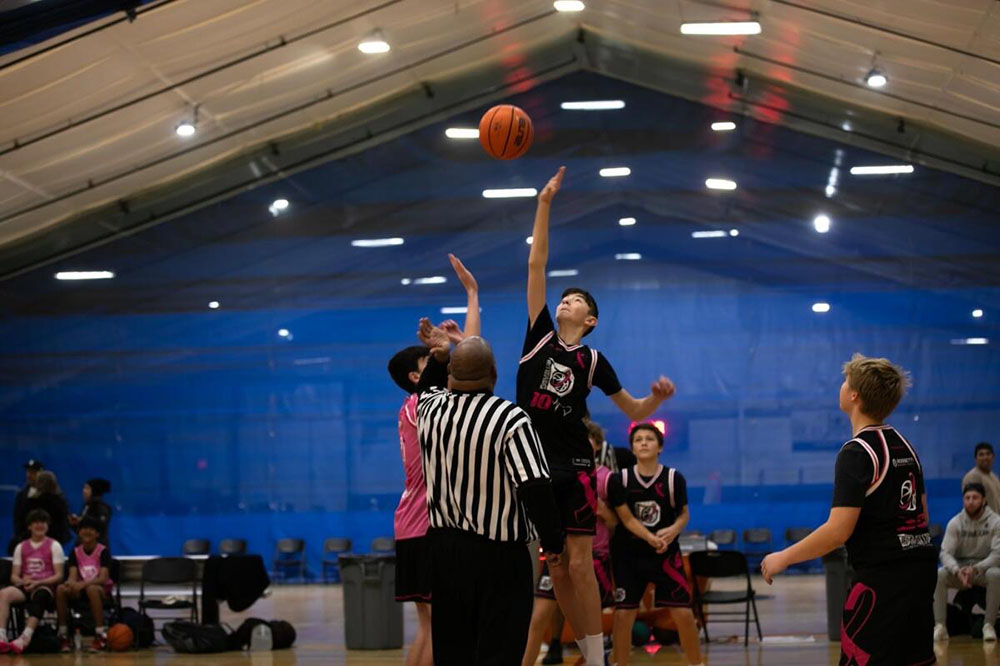
Ask any coach who’s been doing this for more than a decade, and they’ll tell you the win-loss record is rarely what parents remember five years later. The real value of AAU basketball programs near me shows up in quieter ways:
- Learning to handle pressure in front of a gym full of strangers, not just a familiar home crowd
- Building relationships with teammates who come from different schools, towns, and backgrounds
- Developing the discipline to show up for early morning practices and long tournament weekends
- Understanding how to take coaching feedback and apply it under game speed
- Discovering personal accountability — attendance, effort, and attitude all matter to a team
These lessons often outlast the sport itself. A player who learns to compete with composure in eighth grade carries that same composure into high school exams, job interviews, and beyond.
How Seasonal Structure Shapes the Experience
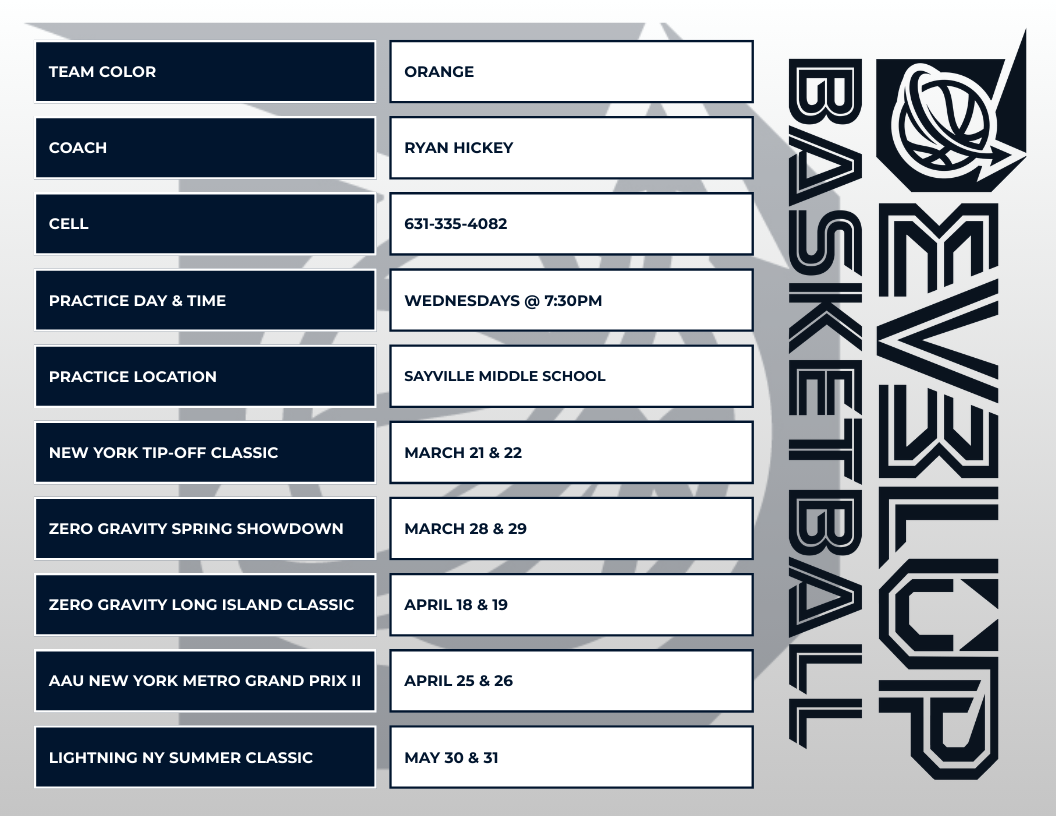
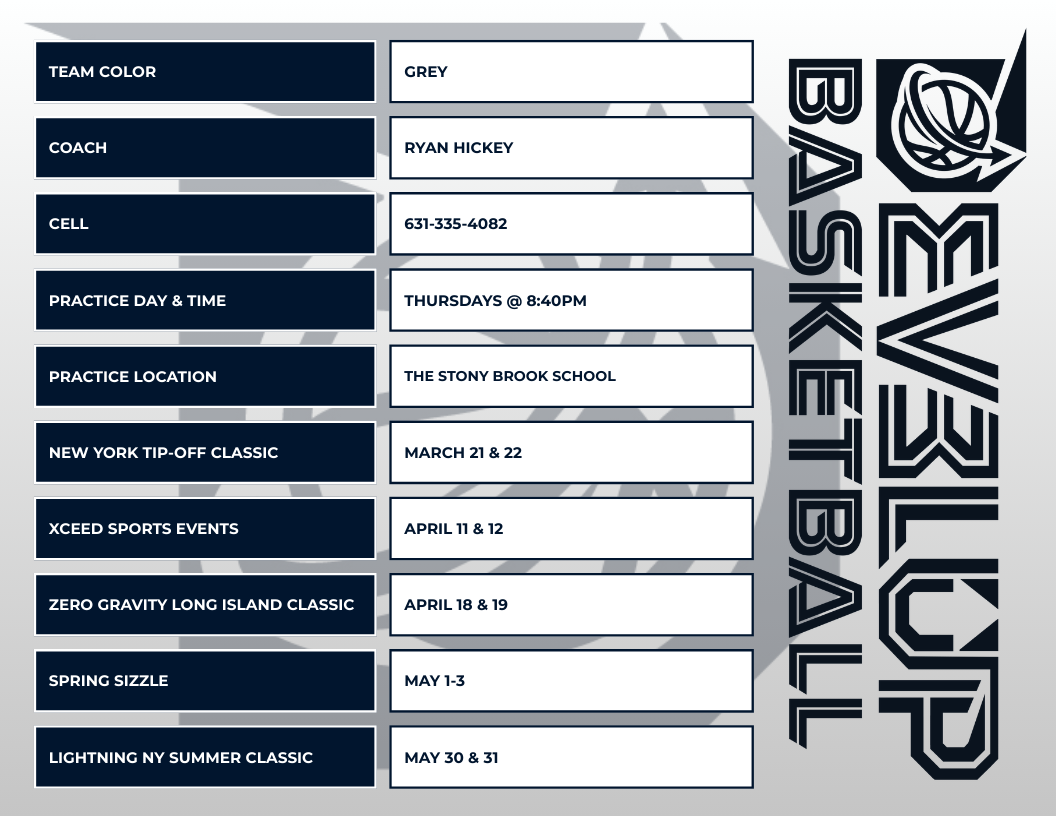
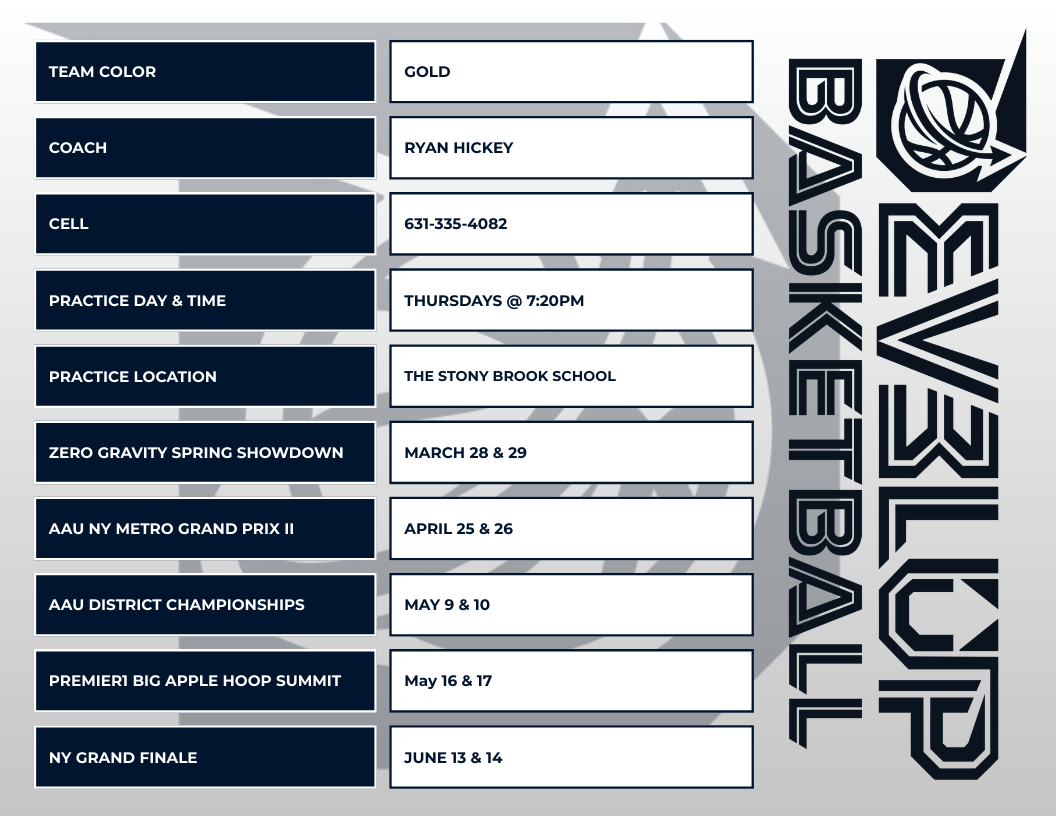
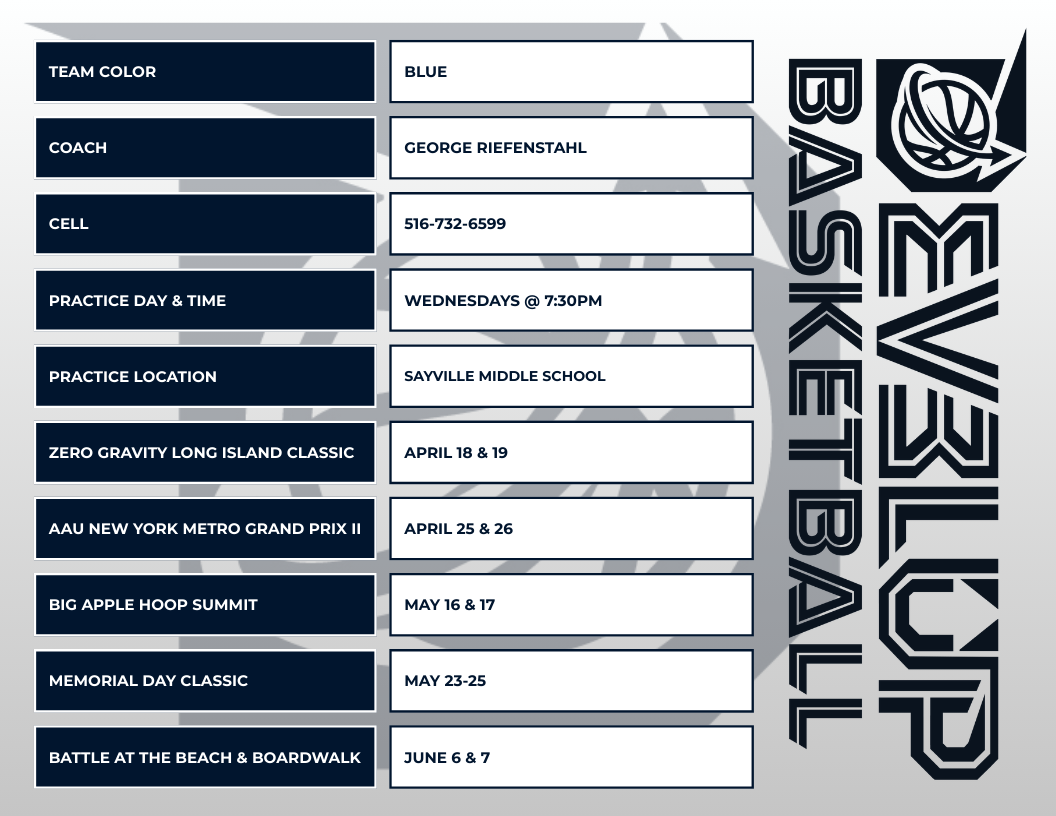
One thing that distinguishes stronger AAU basketball programs near me is how deliberately they structure their year. Rather than one long, undifferentiated stretch of games, well-run programs break the year into distinct chapters — each with its own goals and intensity level:
- Fall — Often used to rebuild fundamentals and re-establish team chemistry after the off-season.
- Winter — Typically the most competitive stretch, aligning with peak tournament and league activity.
- Spring — A chance to refine in-game strategy as players mature physically and mentally through the year.
- Summer — Frequently the busiest travel season nationally, with high-exposure tournaments for older age groups.
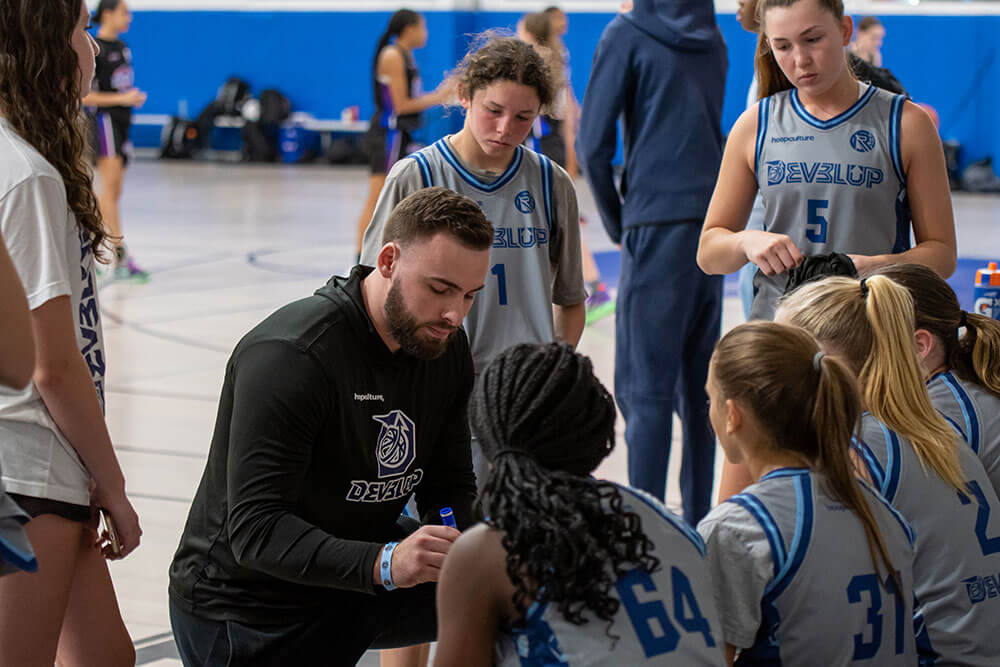
Understanding this rhythm helps families set realistic expectations before enrolling — and it’s one more reason to dig into a program’s full-year plan rather than judging based on a single season.
Finding the Right Fit for Your Family
At the end of the day, the search for AAU basketball programs near me isn’t just about convenience — it’s about finding a program whose values, coaching philosophy, and competitive level match what your athlete actually needs right now. A program that’s a perfect fit for a highly competitive fifteen-year-old chasing college exposure may look completely different from the right fit for a ten-year-old just falling in love with the game.
Take the time to watch a practice, talk to current families, and ask coaches direct questions about development philosophy. The right program will welcome those conversations — because a strong AAU basketball program isn’t just recruiting players, it’s building a community it wants to last.
FAQs
Q. What is AAU basketball, and how is it different from school basketball?
AAU basketball is a form of organized youth basketball run independently of school athletic departments, typically operating year-round with a focus on travel competition and player exposure, whereas school basketball follows a fixed academic-year season.
Q. Why do so many families search for AAU basketball programs near me instead of joining a school team?
Families often look for AAU options to supplement or extend playing time beyond the school season, gain access to higher levels of competition, or find more individualized coaching attention than a school roster can offer.
Q. When should a young player start playing AAU basketball?
There’s no single right age — many programs offer entry points for elementary-aged beginners through high schoolers, with the right starting point depending on a child’s skill level, maturity, and interest in year-round commitment.
Q. What should parents ask before enrolling in an AAU basketball program?
Ask about coaching backgrounds, the seasonal schedule, expected travel and cost commitments, team size, and how the program balances competitive games with actual skill development.
Q. Where can families find quality AAU basketball programs near them?
A good starting point is researching local training facilities with an established track record, checking coach credentials, and reviewing what each season of play actually includes before committing.
Q. Who typically coaches AAU basketball teams?
Coaching staffs vary widely, but the strongest programs are usually led by individuals with playing experience at the high school, collegiate, or professional level, combined with a genuine focus on athlete development.