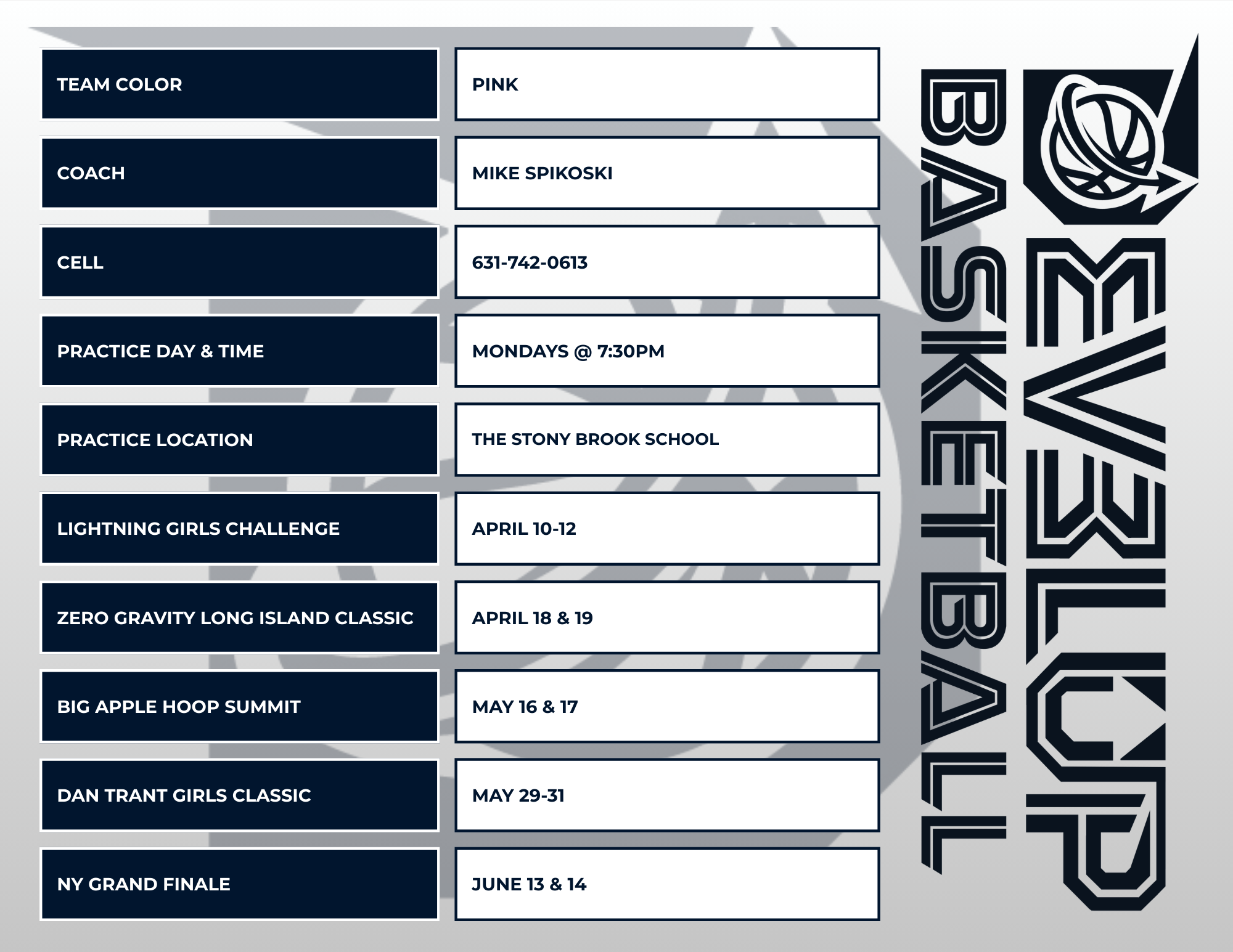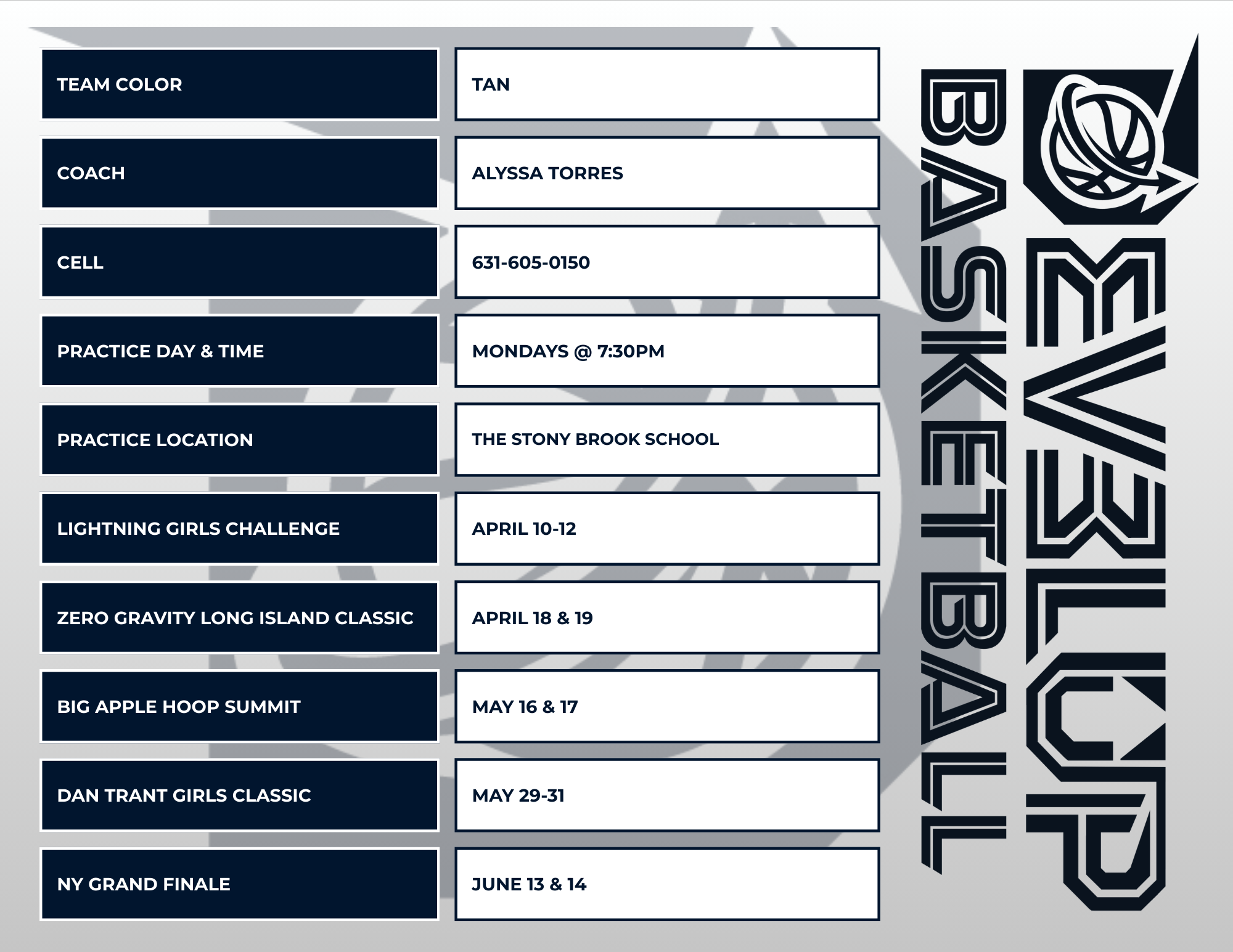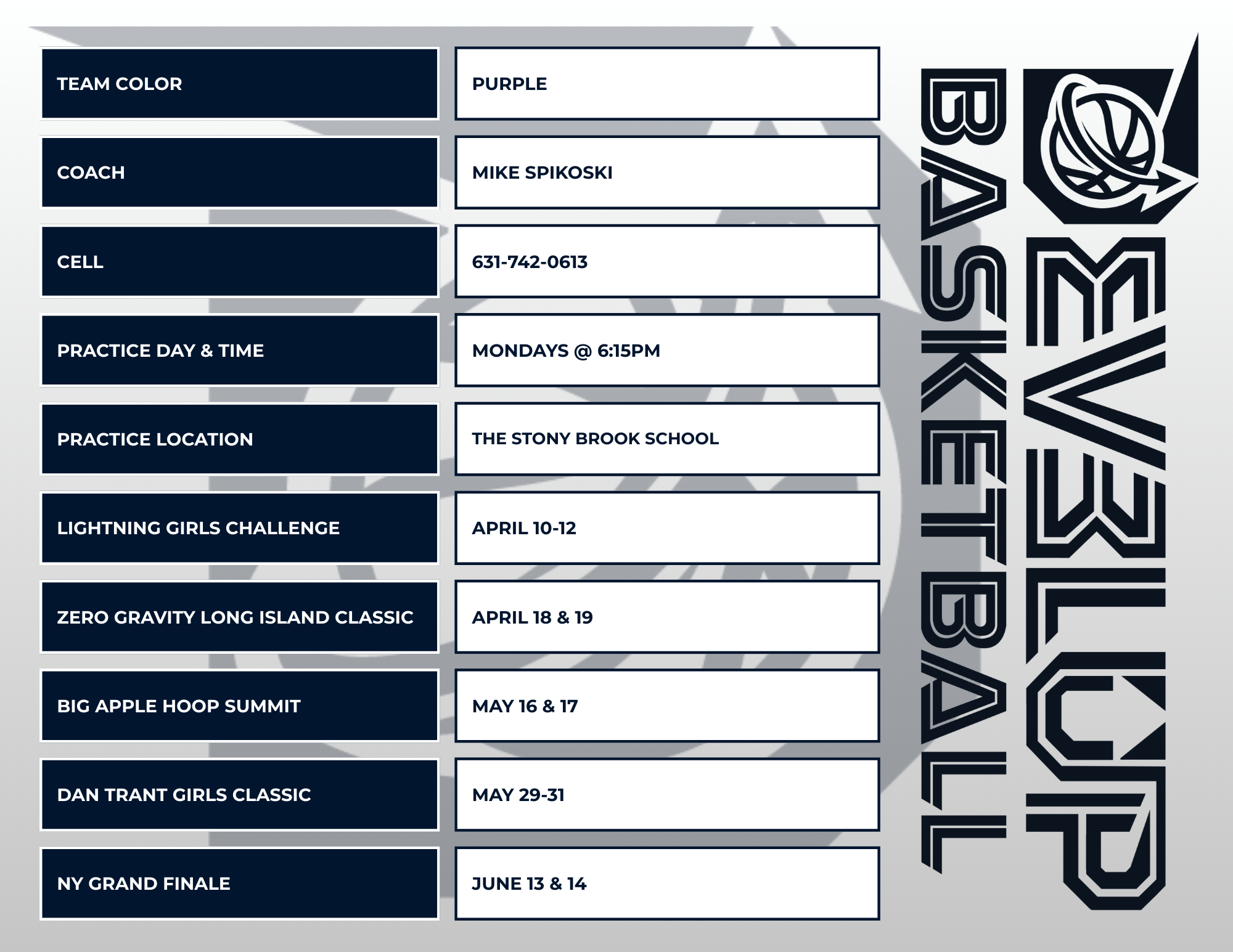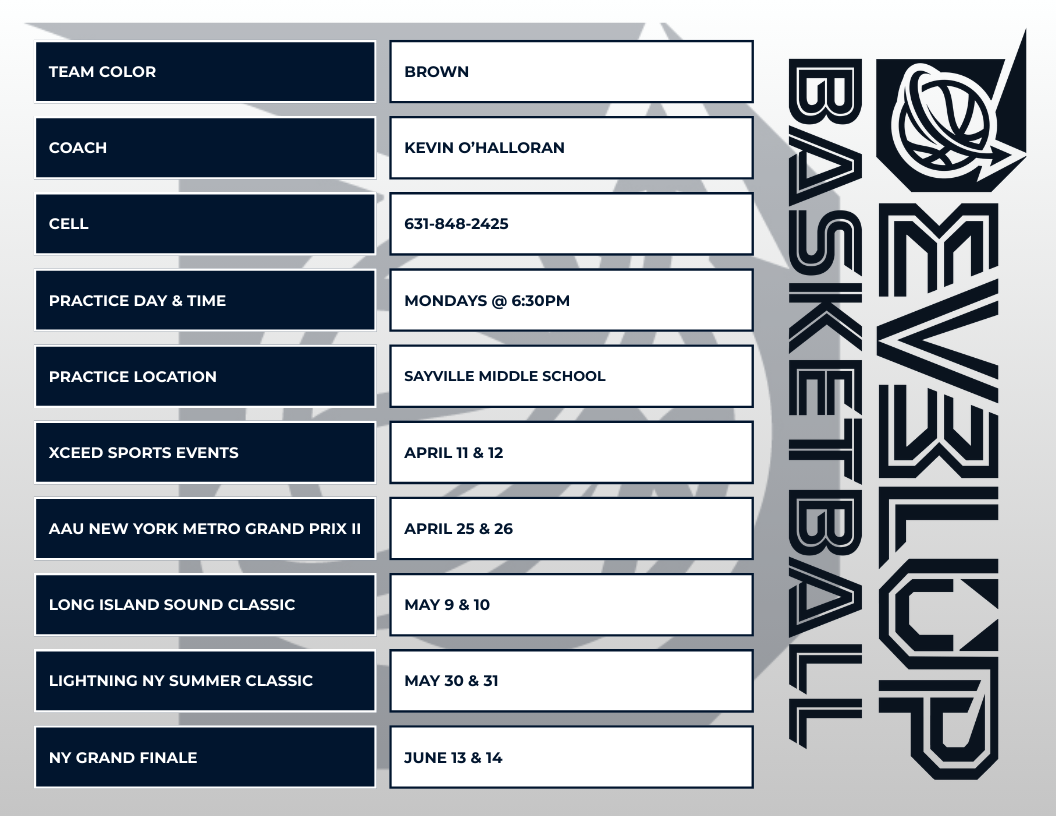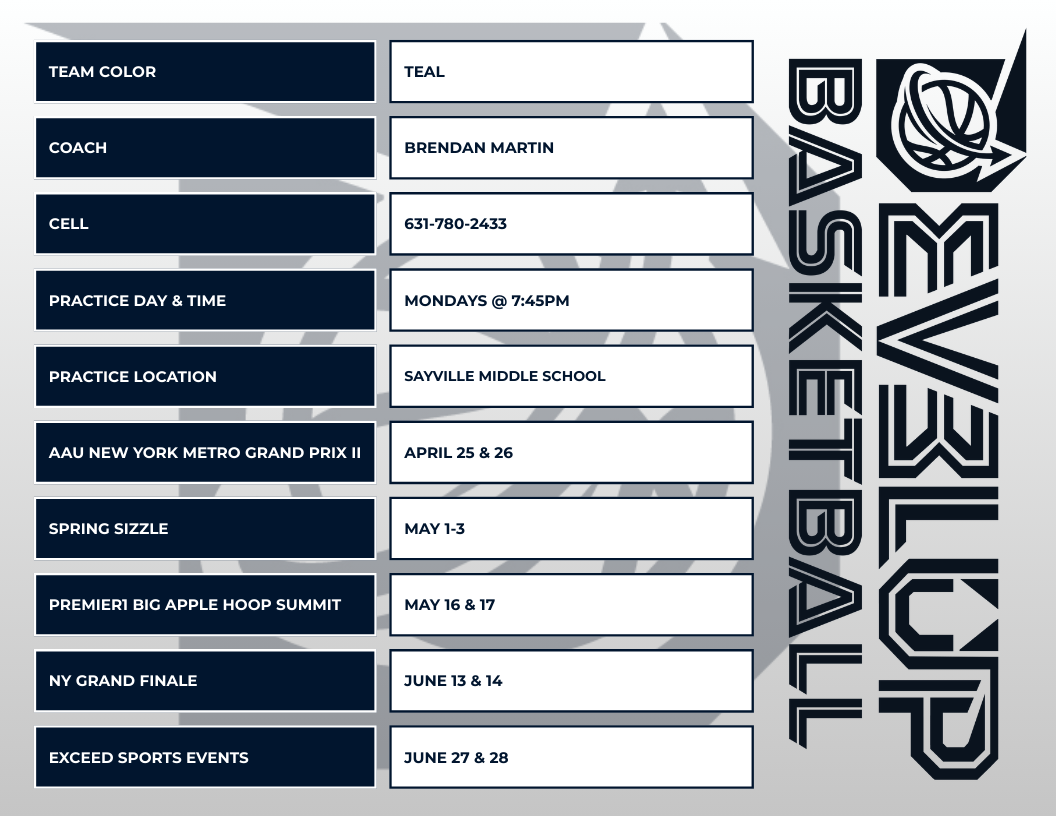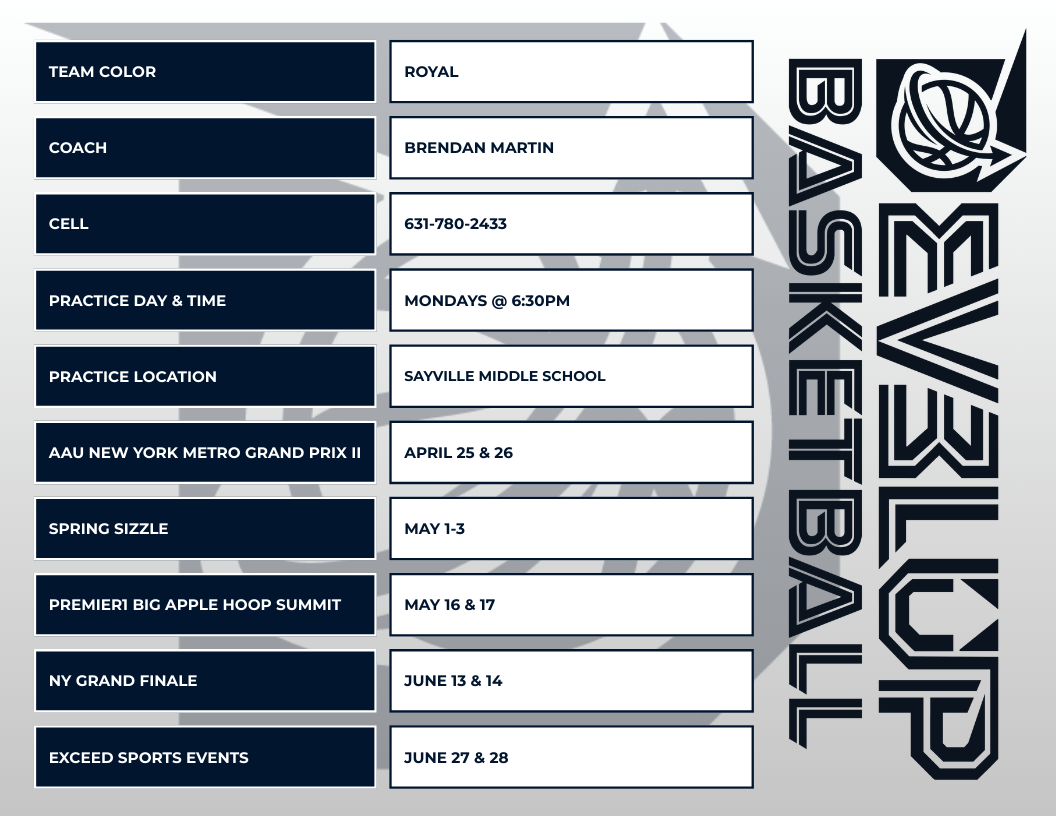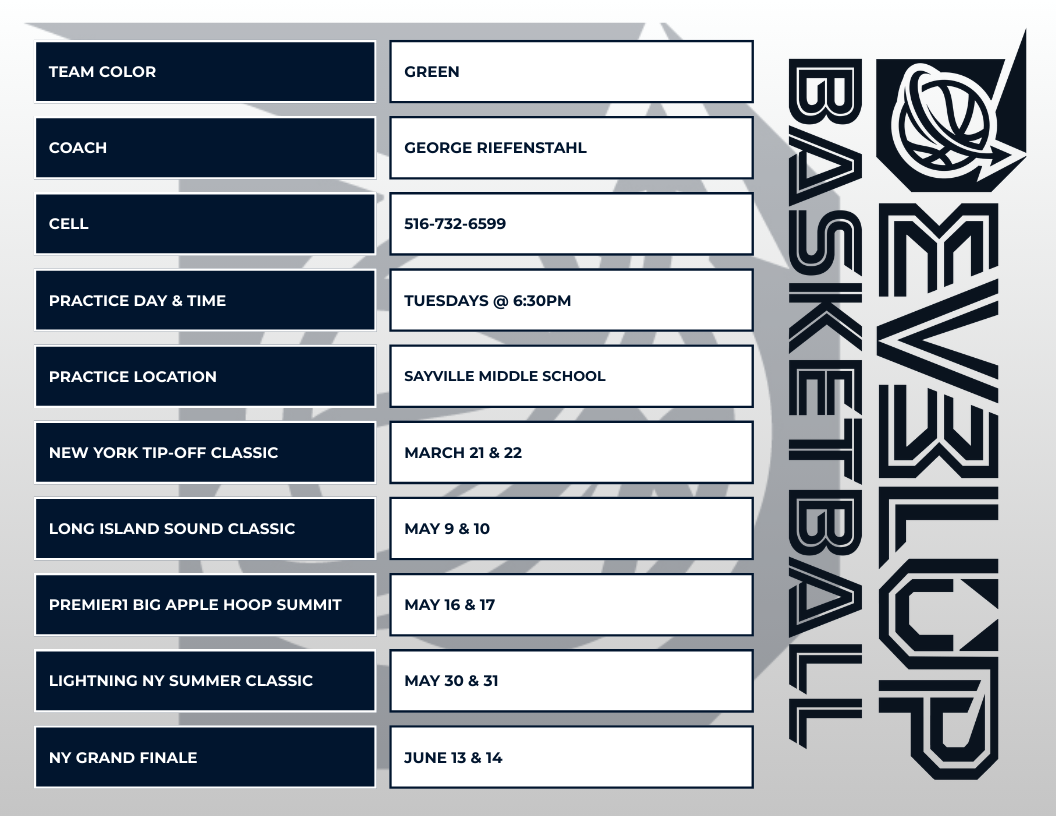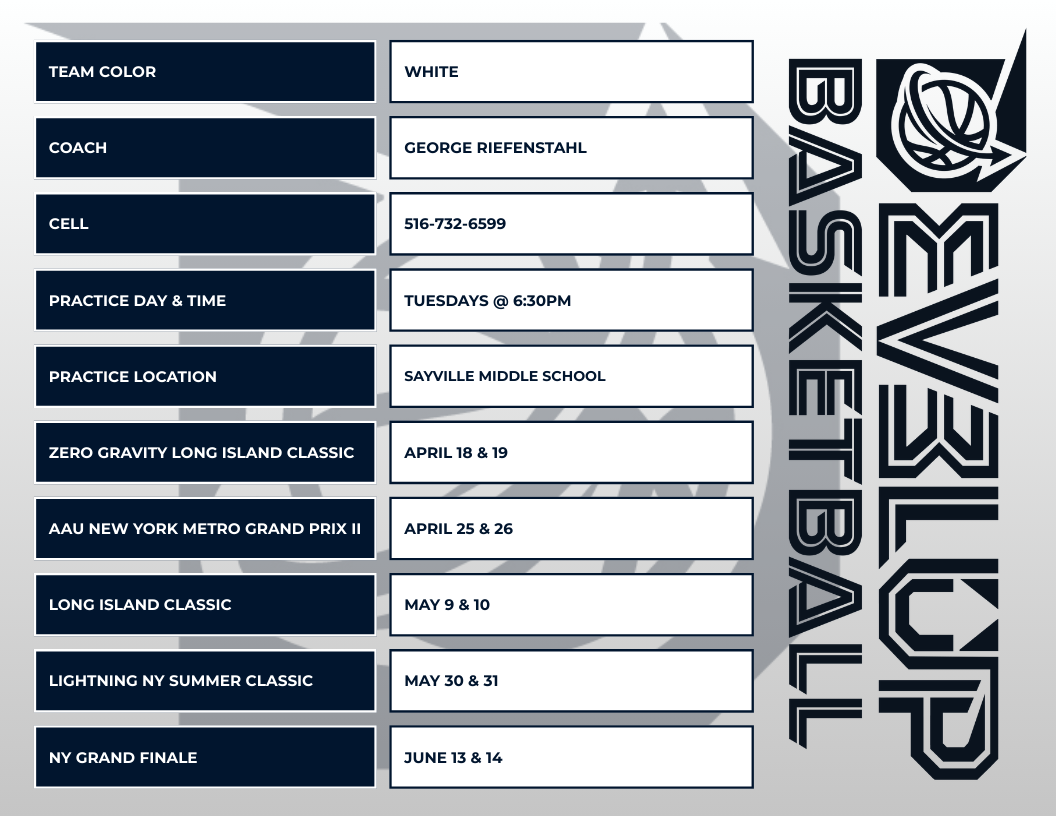


Every player on a Long Island court started the same way: a ball that felt too heavy, a hoop that felt too high, and a shot that probably missed. What happens after that first attempt decides whether basketball stays a hobby or grows into something bigger. Basketball Long Island has a path for both, and knowing how that path works helps parents make smarter choices for their kids.
Why Basketball Long Island Is Unlike Anywhere Else
Few regions pack as much basketball into so little space. Gyms sit minutes apart, school leagues are tight-knit, and weekend tournaments can put a young player against opponents from several towns in a single day. Fans can also follow the Long Island Nets, the Brooklyn Nets’ G League affiliate, which gives young players a visible example of what a development pathway looks like.
That density works in a young player’s favor. Competition is close, coaches know each other, and a child who wants more challenge rarely has to travel far to find it. The trick is matching the right environment to the right moment in a player’s growth.

Stage One of Basketball Long Island: The First Shot
Beginners don’t need pressure. They need reps, patience, and a coach who makes the game feel fun. At this stage, the goals are simple: learn to dribble with both hands, understand basic footwork, and build enough confidence to try again after a miss.
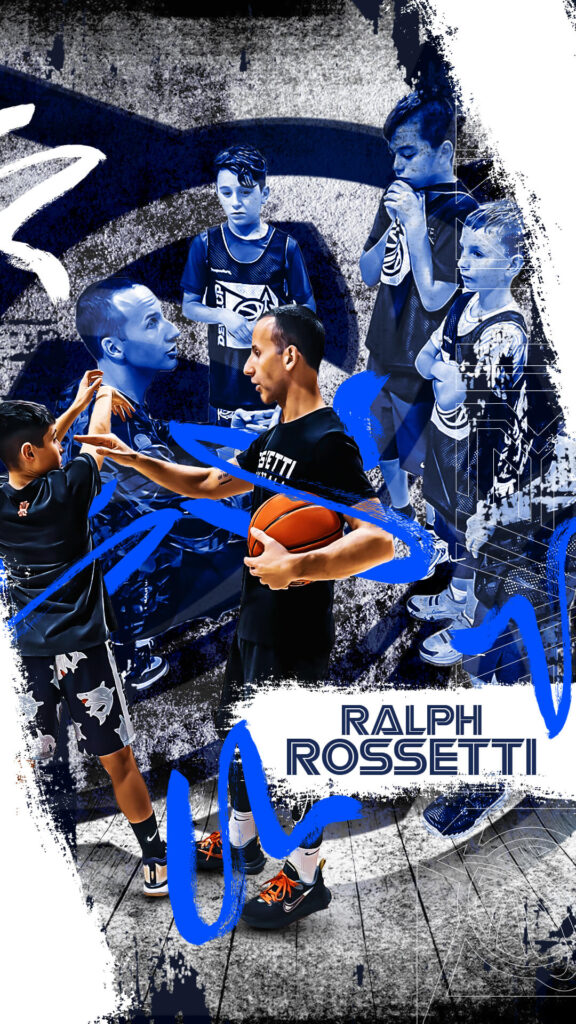
Structured instruction speeds this up considerably. Programs like Rossetti Basketball training focus on fundamentals and individual attention, which helps young players avoid bad habits before they set in. A child who learns balance and ball control early finds every later stage easier.
What Real Skill Development Looks Like in Basketball Long Island
Good development goes beyond drills. Here is what separates quality instruction from simply keeping kids busy:
- Fundamentals first: Dribbling, passing, shooting form, and footwork are repeated until they become automatic.
- Decision-making: Players learn to read the floor, such as when to pass, drive, or reset, not just what to do with the ball.
- Confidence building: Coaches create situations where players can fail safely, then try again.
- Teamwork habits: Communication, spacing, and unselfish play are taught from the start.
- Game application: Skills are practiced in live play, so training transfers to real competition.

Recreational or Competitive: Choosing Basketball Long Island Teams
Recreational leagues focus on participation and scheduled games. They are a great entry point. Competitive programs add structured practices, experienced coaching, and a higher expectation for attendance and effort.
Neither is “better.” The right choice depends on your child’s interest and readiness. If you’re comparing options, this guide to the best youth basketball teams on Long Island is a useful place to start, and it shows what to look for beyond the win-loss record.
Signs Your Child Is Ready for Competitive Basketball Long Island Programs
Readiness is less about talent than attitude. Watch for these signals:
- They ask to practice outside of scheduled team time.
- They accept coaching feedback without shutting down.
- They stay engaged even when their team is losing.
- They enjoy playing with and against stronger opponents.
- They can commit to a regular practice and game schedule.
- They show interest in learning, not only scoring.
If most of these sound familiar, a tryout may be the next natural step.

Basketball Long Island Through the Seasons
Basketball here is a year-round activity, and each season offers something different. Fall is a good time to build skills and settle into team routines. Winter brings indoor intensity and league play. Spring often features tournaments and team growth, while Summer offers camps, 3-v-3 events, and extra development time.
Rotating through these phases gives players variety. They sharpen individual skills in one stretch and test them in games the next, which keeps progress steady and burnout low.
How Tryouts Work for Basketball Long Island Travel Teams
Tryouts can sound intimidating, but they are mostly about placement. Coaches evaluate current skill, effort, coachability, and how a player fits within a group. The result is balanced rosters where each child gets appropriate challenge.
Previous travel experience usually isn’t required. Players from recreational, school, and CYO backgrounds are often welcome, since coaches weigh current ability and long-term potential. To see how programs compare, read this breakdown of the best Long Island travel basketball teams. Before tryouts, ask about schedules, costs, and what’s included so there are no surprises.
A Parent’s Playbook for Basketball Long Island
Support matters as much as skill. Praise effort rather than point totals. Let coaches coach during games. Ask your child what they enjoyed about practice instead of reviewing every mistake in the car. Players who feel supported at home tend to handle competition better and stay in the game longer.
Take the Next Step in Basketball Long Island
From a first awkward shot to a confident move in a tournament game, the journey is built on good coaching, the right environment, and plenty of patience. If your child is ready to explore competitive basketball Long Island has to offer, contact DEVELUP Basketball or visit 1732 Church Street, Holbrook, NY, to ask about upcoming tryouts and team placement.
FAQs
Q. What age should a child start playing basketball on Long Island?
Many children begin around kindergarten or early elementary school, often in recreational settings. Competitive team options generally begin around Grade 3.
Q. Where can my child play competitive basketball on Long Island?
Options include school teams, CYO leagues, and travel programs across Nassau and Suffolk counties. DEVELUP, based in Holbrook, offers teams for boys and girls in Grades 3-12.
Q. What happens at a basketball tryout?
Coaches observe skills, effort, and teamwork through drills and scrimmages, then place players on teams that fit their level.
Q. Which season is best to start basketball training?
Any season works. Fall and winter are popular for steady skill-building, while summer offers flexible camps and events.
Q. Who can try out for a competitive team?
Players of different backgrounds can try out, whether recreational, school, or travel. A willingness to learn, compete, and commit matters most.