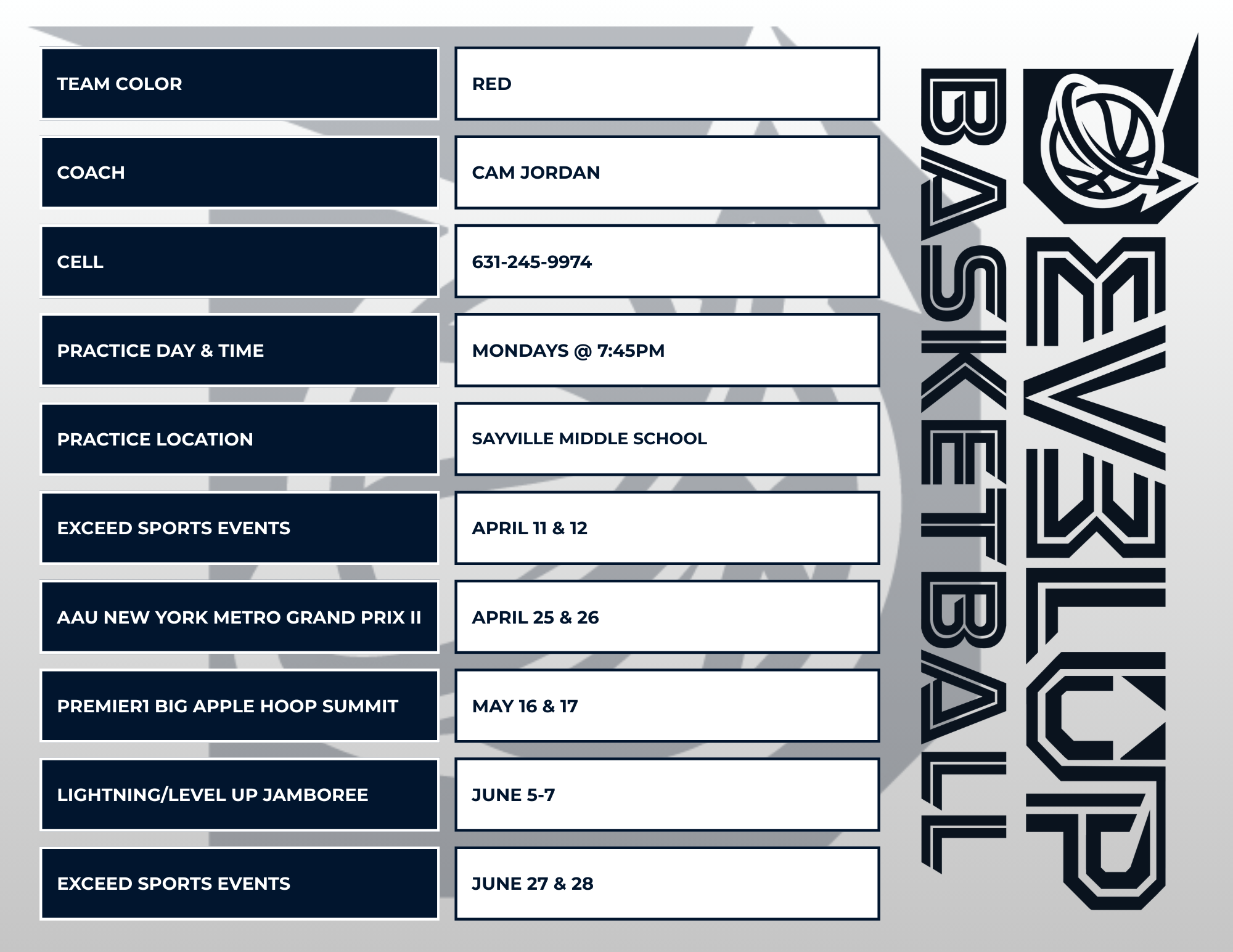


Every basketball parent hits the same fork in the road. Your child loves the game, and now someone mentions tryouts, tournaments, and weekend road trips. Is it time to move beyond the local rec gym? Understanding basketball travel teams and how they differ from recreational leagues can save you money, stress, and a lot of guesswork. Here is an honest look at both paths so you can choose with confidence.
What Are Basketball Travel Teams?
Basketball travel teams are competitive club squads that recruit players through tryouts and compete against teams from other towns, regions, or even states. Unlike a neighborhood program, they play tournament-style weekends, follow structured practice plans, and are coached by people who often have playing or college-level experience.
Think of them as the bridge between playground fun and high school varsity hoops. Players learn systems, film habits, and the pace of a faster, more physical game. Many families also discover that the best basketball travel teams build real friendships, since teammates spend so much time together in gyms, cars, and hotel lobbies.

What Are Recreational Leagues?
Recreational leagues focus on participation first. Nearly everyone who signs up gets placed on a team, playing time is usually balanced, and the schedule is built around local games that rarely require travel. Practices are light, and the main goals are fun, fitness, and learning the basics.
Rec leagues exist at every level of the sport. If you are curious how organized play is structured around the world, this list of basketball leagues shows how many pathways exist, from community play to professional circuits. For beginners, rec ball is often the perfect first step.
Basketball Travel Teams vs. Recreational Leagues: Key Differences
Here is where the two options truly separate:
- Selection: Basketball travel teams hold tryouts and cut players. Rec leagues accept nearly everyone.
- Competition level: Travel opponents are often the strongest players from neighboring towns. Rec opponents are mostly local kids at similar experience levels.
- Time commitment: Basketball travel teams may practice two to three times weekly and play on weekends. Rec leagues typically meet once or twice a week.
- Cost: Travel programs charge more for uniforms, tournament fees, gym rentals, and travel. Rec fees are usually modest.
- Coaching: Travel coaches focus on skill progression and game strategy. Rec coaches are often volunteers whose priority is enjoyment.
- Playing time: Travel minutes are earned. Rec minutes are usually shared equally.
How Basketball Travel Teams Develop Players Faster
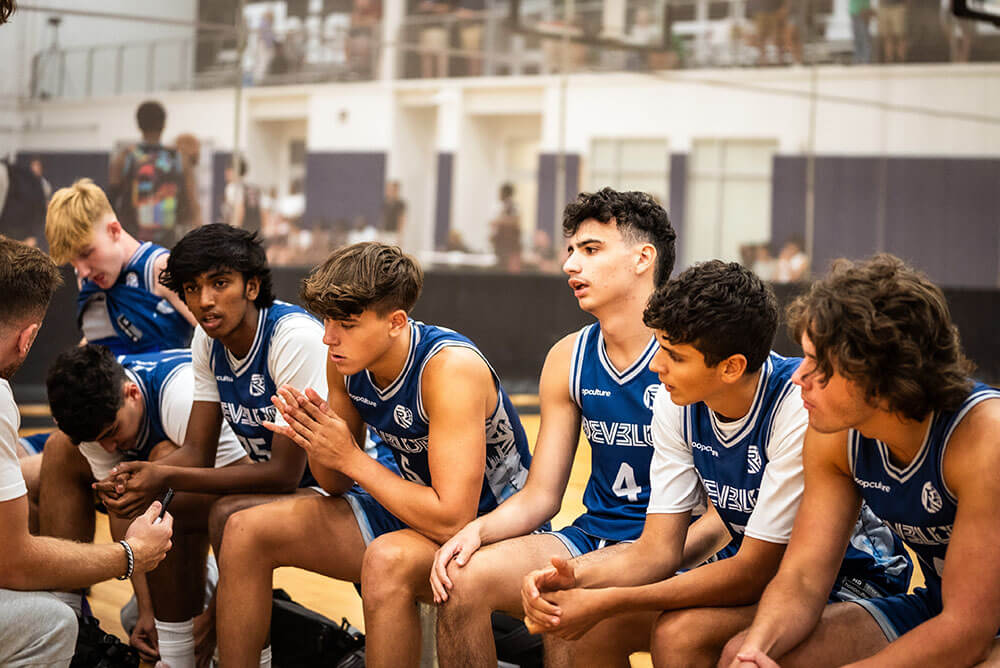
The biggest advantage of basketball travel teams is repetition against better competition. Playing more games against tougher opponents forces players to read defenses, finish through contact, and make quicker decisions. A single tournament weekend can deliver more meaningful game experience than a month of rec play.
Year-round commitment matters too. Programs that run a full calendar, such as the Fall, Winter, Spring, and Summer sessions, give players steady growth instead of a stop-and-start routine. You can explore every season option to see how a full-year plan fits your schedule.
Skill Training Is the Secret Ingredient
Here is something few parents hear: games alone do not build great players. The athletes who improve fastest pair their basketball travel teams schedule with individual work on ball handling, footwork, and shooting mechanics. Dedicated training sessions fix the small flaws that team practices do not have time to address, and they build the confidence that shows up on game day.
The Real Pros and Cons of Basketball Travel Teams
No path is perfect, so weigh both sides before committing:
- Pros: Higher-level competition, better coaching, exposure to college and high school scouts, stronger work ethic, and lasting team chemistry.
- Cons: Higher cost, travel fatigue, less guaranteed playing time, and a risk of burnout if the schedule is too heavy.
- Rec league pros: Low pressure, affordable, flexible, and ideal for first-timers.
- Rec league cons: Limited coaching depth and less challenge for advanced players.
The right answer depends on your child’s goals, not on what the neighbor’s kid is doing.
Is Your Child Ready for Basketball Travel Teams?
Watch for three signs. First, your child asks to practice on their own without being reminded. Second, they dominate or feel bored in rec games. Third, they handle losses with a “what can I fix?” attitude rather than frustration. If you see these signs, a tryout for one of the basketball travel teams in your area is worth exploring.
If your child is still learning the fundamentals, there is zero shame in staying in rec ball another season. Many successful players spent years there before making the jump.
Finding Basketball Travel Teams on Long Island
Long Island is one of the most basketball-rich regions in the country, with deep youth leagues, packed gyms, and a long tradition of producing college players. Families searching for basketball travel teams here can start with this guide to basketball on Long Island to understand the local landscape.
When comparing programs, look at coach credentials, practice quality, tournament schedules, and how many players move on to high school varsity. This breakdown of the best basketball on Long Island can help you narrow your choices.
Final Thoughts
Neither path is better for everyone. Recreational leagues build love for the game, while basketball travel teams build competitors. The best choice matches your child’s skill, schedule, and passion. Start where your player is, stay flexible, and remember that the goal is a lifelong love of basketball, not just a roster spot.
FAQs
Q. What are basketball travel teams?
They are competitive club teams that select players through tryouts and play against teams from other towns or regions in tournaments and leagues.
Q. Who should join basketball travel teams?
Players who already know the basics, love to compete, and want more challenge than a rec league offers.
Q. When do basketball travel teams hold tryouts?
Most programs hold tryouts a few weeks before each season begins, so check the program’s calendar early.
Q. How much do basketball travel teams cost?
Costs vary by program, but expect fees for registration, uniforms, tournaments, and travel to be higher than rec league fees.
Q. Why do families choose basketball travel teams over rec leagues?
Mainly for stronger competition, better coaching, and faster skill development.
Q. What age can kids start playing on basketball travel teams?
Many programs start around ages 8 to 10, though the right time depends on skill and maturity rather than age.
Q. Where can my child find extra training to prepare for tryouts?
Individual skill sessions with experienced coaches are the best way to arrive at tryouts confident and prepared.