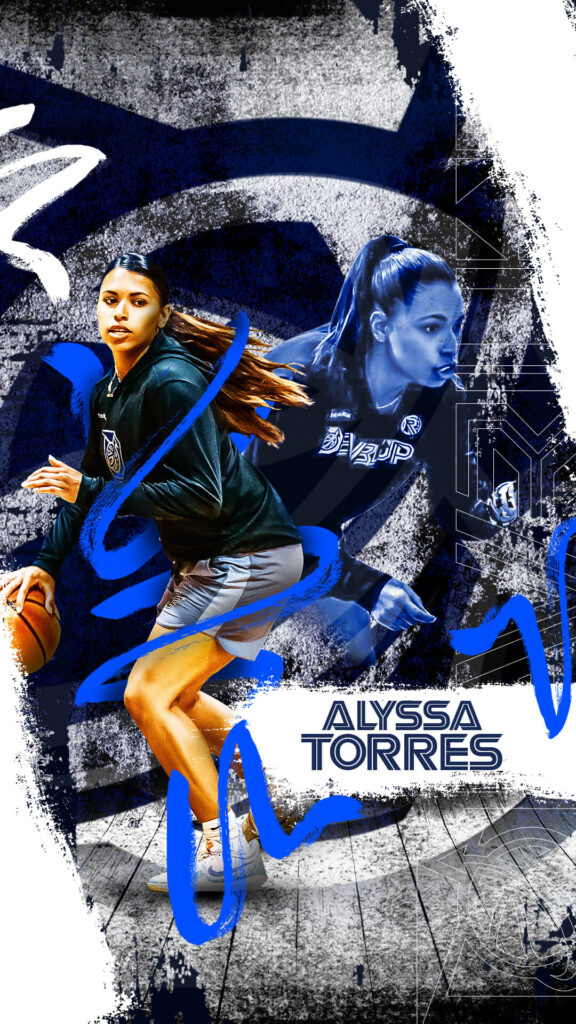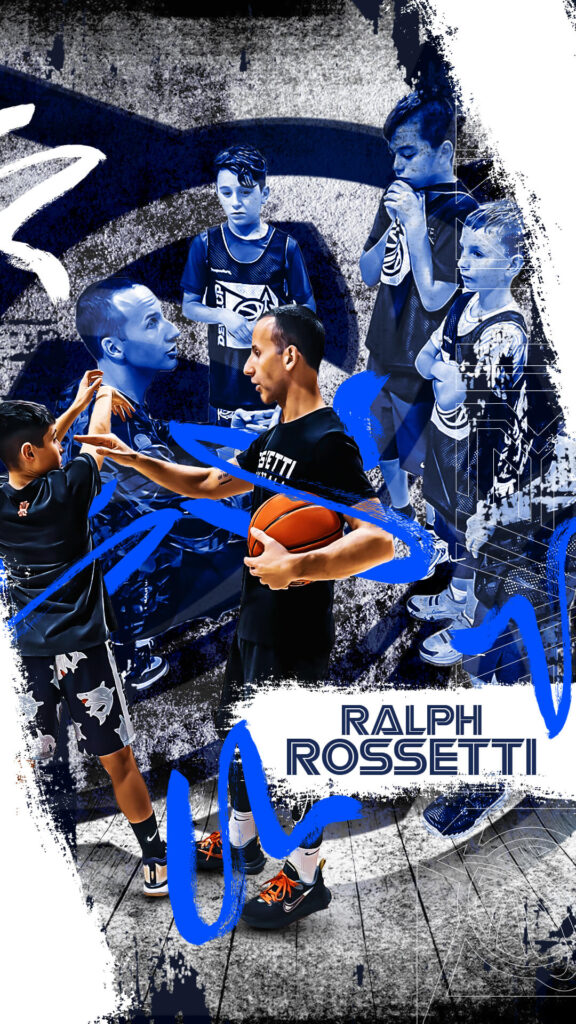


Long Island basketball runs deep. From packed Suffolk County gyms on winter Friday nights to driveway hoops that stay lit until dinner, the game is part of the local rhythm. But playing a lot isn’t the same as improving, and the athletes who stand out are usually the ones who train with a plan. Whether your child is learning to dribble or preparing for varsity tryouts, this guide covers practical ways to get better. It also reflects the development-first approach used at Rossetti Basketball, the training home connected to DEVELUP.
Why Long Island Basketball Rewards Smart Training
Few regions are as competitive per square mile. Players here face tough opponents in school leagues, CYO, travel circuits and tournaments, so weaknesses get exposed quickly. There is also a visible pathway to look up to: the Long Island Nets, the NBA G League affiliate of the Brooklyn Nets, play on the Island and show young athletes that the game can lead beyond high school. The takeaway for families is simple: in a crowded talent pool, structured training is the edge you can actually control.

Master the Basics: The Foundation of Long Island Basketball Training
Flashy moves get the highlights, but fundamentals win games. Build every session around these essentials:
- Ball handling: Practice with both hands, using tight dribbles at game speed, then add defender pressure as you progress.
- Shooting form: Keep your balance, keep your elbow under the ball, and finish with a consistent follow-through. Move away from the rim only when your form holds.
- Footwork: Pivots, jump stops and sharp cuts create space without needing elite athleticism.
- Finishing: Learn to score with either hand, off one foot or two, using the backboard.
- Defensive stance: Low hips, active hands and quick slides keep you in front of your player.
- Conditioning: Basketball is repeated sprints, so train in short bursts with brief rest, just like a real game.
Train Your Brain: Game IQ in Long Island Basketball
Skill gets you on the floor; decision-making keeps you there. Great players read a defender’s feet, see help coming, and know when to pass instead of shoot. Try watching ten minutes of game film each week and pausing before every action to predict what happens next. Small-sided games such as 3-v-3 also force more touches and faster choices than full-court play, which is why so many Long Island basketball programs rely on them.

Daily Habits That Elevate Long Island Basketball Players
Improvement is built from small, repeatable habits. Keep this checklist handy:
- Use the 20-minute rule: Twenty focused minutes with a clear goal beat an hour of casual shooting.
- Track makes, not attempts: Count made shots from each spot so you can see real progress.
- Train your weak hand first: Start drills with your off hand while you’re fresh.
- Add game-speed constraints: Use a timer or an imaginary defender so practice mirrors competition.
- Recover on purpose: Sleep, hydration and stretching are part of training, not extras.
- Keep a short notebook: After each workout, write one thing that went well and one thing to fix.
Follow the Calendar: Year-Round Long Island Basketball Development
One big advantage of Long Island basketball is that the calendar creates a natural training cycle. Instead of treating the game as a single-season pursuit, smart players use each part of the year differently, and you can see how a season-by-season approach works at DEVELUP.
Fall is the time to rebuild the base. Fall basketball is ideal for tightening fundamentals, building strength and settling into a team before the schedule gets busy.
Winter is when game rhythm takes over. Winter basketball puts your skills under pressure, so focus on applying what you’ve practiced and learning from every loss.
Spring is for growth. Use spring basketball to refine the weaknesses winter exposed and test new skills in fresh competition.
Summer offers the longest runway. Summer basketball lets players stack consistent weeks of training, camps and tournaments.
Compete Often: Why Games Matter in Long Island Basketball
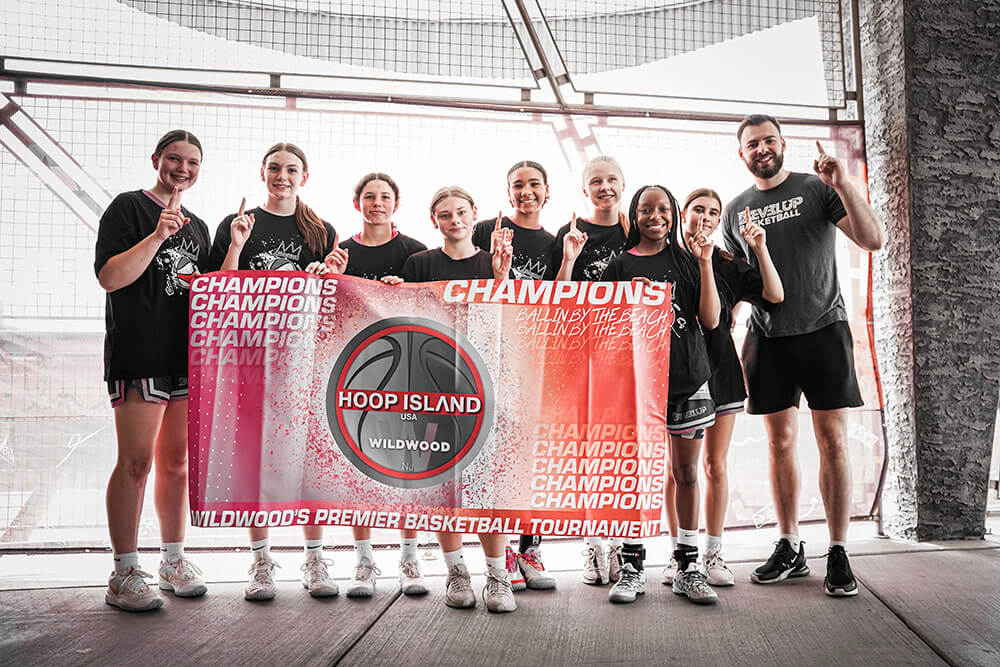
Drills build skill, but competition proves it. Leagues and tournaments teach composure, teamwork and how to adjust mid-game, lessons no workout can fully replicate. If you’re deciding where to play, our guide to the best basketball in Long Island explains what to look for in a program, and our roundup of the best Long Island travel basketball teams helps families compare competitive options. Look for coaches who value development, honest feedback and playing time that matches effort.
How Parents Can Support Long Island Basketball Players
Parents are a quiet but powerful part of a player’s progress. Encourage effort over outcomes, keep the ride home positive, and let coaches coach. Ask “What did you learn today?” instead of “How many points did you score?” Consistent sleep, healthy meals and a balanced schedule matter too, because burned-out players rarely improve.
Take the Next Step in Long Island Basketball
Long Island basketball rewards players who combine strong fundamentals, smart habits and regular competition. Start small, stay consistent, and let each season build on the last. Ready to find the right fit? Call DEVELUP at 631-646-1471 or visit 1732 Church Street, Holbrook, NY to learn about upcoming tryouts and teams.
FAQs
Q. What is the best age to start basketball training?
Players can begin basic skills work in elementary school, and it’s never too late to start. DEVELUP’s teams welcome boys and girls in grades 3-12.
Q. Where can I find competitive youth teams on Long Island?
Look for programs in Suffolk County and across the Island that combine practices, leagues and tournaments. DEVELUP is based in Holbrook, NY.
Q. When should a player join a travel team?
Once a player has solid fundamentals, enjoys competing and can commit to a practice and game schedule. Tryouts help place players on the right team.
Q. Why is skills training important alongside team practice?
Team practice focuses on systems, while skills training gives players extra repetitions on shooting, ball handling and decision-making.
Q. Which skills should beginners focus on first?
Start with ball handling, footwork and shooting form. Strong basics make every advanced move easier later.
Q. Who can try out for a DEVELUP team?
Boys and girls in grades 3-12. Previous travel or AAU experience is not required.