

Every fall, thousands of Long Island families ask the same question: should our child join the team that wins the most, or the one that teaches the most? Long Island travel basketball teams come in every flavor, from trophy-hungry programs to skill-first academies. Choosing between them can shape how your player feels about the game for years. This guide breaks down both sides and gives you a simple way to decide.
Why the Debate Over Long Island Travel Basketball Teams Never Ends
Long Island is one of the most competitive youth basketball markets in the country. Between Nassau and Suffolk, you’ll find leagues, weekend tournaments, 3-v-3 events and showcases almost year-round. That much competition makes wins easy to count and easy to brag about. Development is harder to measure. A better left-hand finish or a smarter read on a pick-and-roll doesn’t show up in a standings table.
Many parents compare programs by scanning rosters and tournament banners. Our guide to Long Island travel basketball teams explains what to look beyond the scoreboard for, and it’s a good starting point before you commit to tryouts.
The Case for Winning on Long Island Travel Basketball Teams
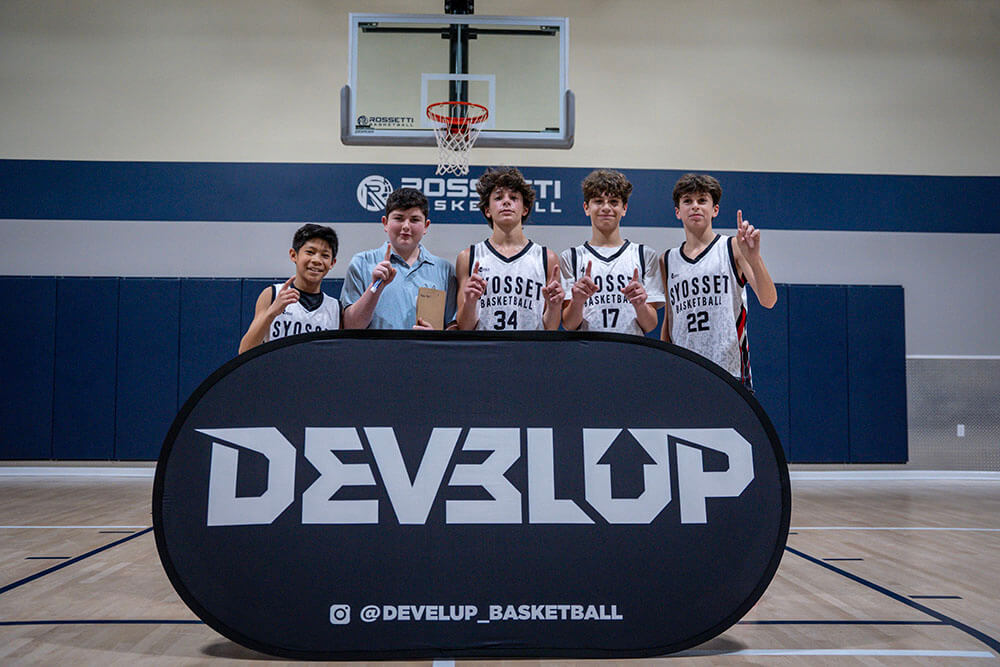
Winning isn’t the enemy. Competing for a championship teaches kids things practice can’t: handling pressure, trusting teammates, bouncing back from a bad quarter. Players on winning teams often develop a strong work ethic because the standard around them is high.
Some Long Island travel basketball teams also use winning as a motivator, and for certain players it works. A competitive kid may thrive when every game matters. Winning tends to be a good sign when it comes from sound coaching and a strong culture, not from recruiting the biggest kids early and playing only the top six.
The Case for Development: What Players Actually Gain
Development is the long game. Programs that focus on it tend to share these traits:
- Equal opportunity to learn: Players get real minutes and real feedback, not just a seat on the bench during close games.
- Skill-based practices: Ball handling, footwork, spacing and shooting mechanics are taught on purpose, not assumed.
- Position flexibility: Young players are encouraged to try guard, wing and post skills instead of being locked into one role at age ten.
- Basketball IQ: Coaches explain the “why” behind a play, so players learn to read the game instead of just following instructions.
- Healthy confidence: Mistakes are treated as part of learning, which keeps kids willing to take smart risks.
The payoff is gradual. A development-first player may not dominate at ten, but the skills they’ve built tend to show up when the game speeds up in the teenage years.
The “Two-Clock” Test for Long Island Travel Basketball Teams
Here’s a simple tool you won’t find in most team brochures. Think of every program as running two clocks.
The short clock measures this season: wins, rankings and trophies. The long clock measures your child at sixteen: skills, love of the game, and the ability to play under pressure.
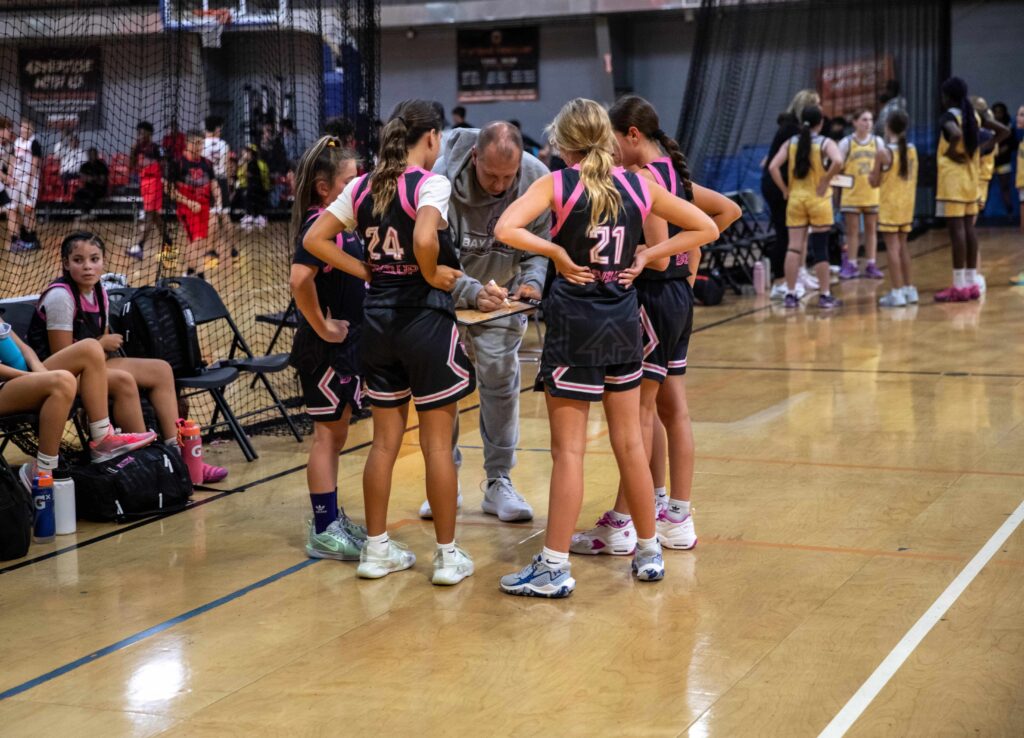
Ask a program which clock it watches more closely. A good one watches both, but the long clock should never be ignored. If a coach can’t describe how a player will be better in two years, only the short clock is running. If a coach can’t explain how the team competes, you may be paying for practice with no real test of those skills.
Skill Training: The Secret Weapon Behind Successful Players
Team practice alone rarely covers everything a young player needs. Ball handling, footwork, and shooting mechanics improve fastest with focused repetition and feedback. That’s where dedicated training comes in. One-on-one or small-group sessions let players work on their personal weak spots at their own pace.
Many families combine team play with extra sessions. The team teaches your child how to play with others, while training teaches them how to become a better individual player. It’s also worth exploring Rossetti Basketball if you want to see what additional development options exist for your child.
What to Look for When Comparing Long Island Travel Basketball Teams
Before you commit, use this checklist when speaking with coaches and other parents:
- Playing time philosophy: Is it earned, shared, or guaranteed? Make sure you understand how it works before the season starts.
- Practice-to-game ratio: A healthy program practices more than it plays. Weekends packed with games and no teaching time are a warning sign.
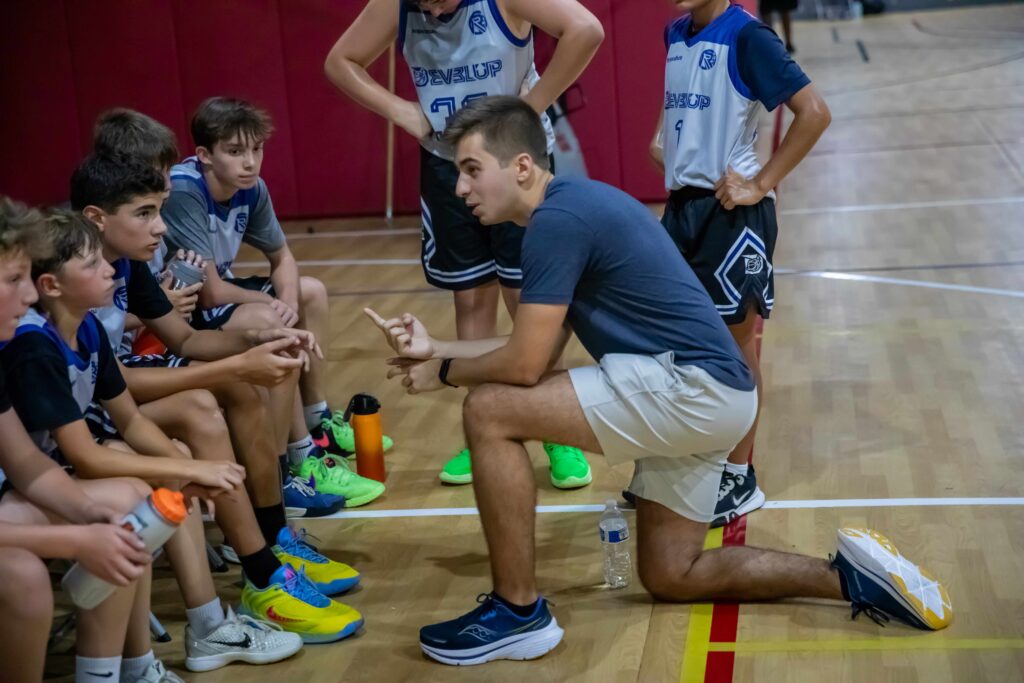
- Coaching communication: Do coaches give players specific feedback, or only shout instructions from the sideline?
- Schedule variety: Look for a mix of leagues, tournaments and smaller events so players see different styles of play.
- Player retention: Do kids come back year after year? That says a lot about how they feel inside the program.
You can also review how other families rate local options in our roundup of the best youth basketball teams on Long Island to see which qualities parents value most.
How the Seasons Shape Long Island Travel Basketball Teams
Basketball is no longer a winter-only sport, and the calendar can help you balance development and winning. Winter is often when competition is at its peak, while the off-season is a prime window for skill-building. Each season offers something different:
- Fall is ideal for building fundamentals and team chemistry before the heavy schedule begins.
- Winter brings the highest level of league play and tournaments.
- Spring offers a chance to test new skills in a lower-pressure setting.
- Summer is the best time for exposure events, camps and fast-paced 3-v-3 play.
Treating the year as a cycle, with learning seasons and competing seasons, often produces better results than chasing wins in every single one.
Don’t Forget Individual Training
Even the best team practice has to serve a dozen players at once. That’s why many families add private or small-group sessions to their child’s routine. Individual training lets a player work on a specific weakness, such as a weak hand or a shot that flattens out, without the pressure of a game. Combined with a solid team environment, it can speed up growth significantly.
Looking Ahead: Where the Game Can Lead
For some players, the goal is simply fun and fitness. For others, it’s high school varsity or beyond. Long Island has a real basketball identity, and the presence of the Long Island Nets, the NBA G League affiliate of the Brooklyn Nets, shows how much the sport has taken root locally. Whatever your child’s goal, the best Long Island travel basketball teams keep those doors open by building skills and a strong foundation first. If you’re still comparing programs, our list of the best Long Island AAU basketball teams is another useful resource.
The Verdict: What Matters More?
For most young players, development matters more, and winning follows from it. Teams that teach well usually win more in the long run, because their players keep improving while others plateau. But the healthiest Long Island travel basketball teams don’t treat the two as opposites. They compete hard, teach honestly, and keep the game fun enough that kids want to come back.
FAQs
Q. What age should a child start playing on Long Island travel basketball teams?
Many players begin between ages 8 and 10, once they understand basic rules and enjoy playing with others. The right time depends more on interest and readiness than on a specific birthday.
Q. Why do some Long Island travel basketball teams focus more on winning?
Some programs build their reputation on results because trophies attract families. That can be fine, as long as players still get coaching and fair playing time.
Q. How do I know if a travel team is focused on development?
Look at how practices are run, how much feedback players get, and whether everyone plays meaningful minutes. Ask coaches how players improve over time, not just how the team finishes.
Q. When is the best time to join Long Island travel basketball teams?
Tryouts and signups vary by season, so check each program’s calendar. Fall is a popular starting point because it allows time to build skills before winter competition.
Q. Which is better for a beginner: a competitive team or a skills-first program?
A skills-first environment usually helps beginners most, since it builds confidence and fundamentals. Once the player is comfortable, stepping up to a more competitive team makes more sense.
Q. Where can my child get extra help outside team practice?
Private and small-group training can fill gaps that team practices can’t cover, and it pairs well with any travel program.