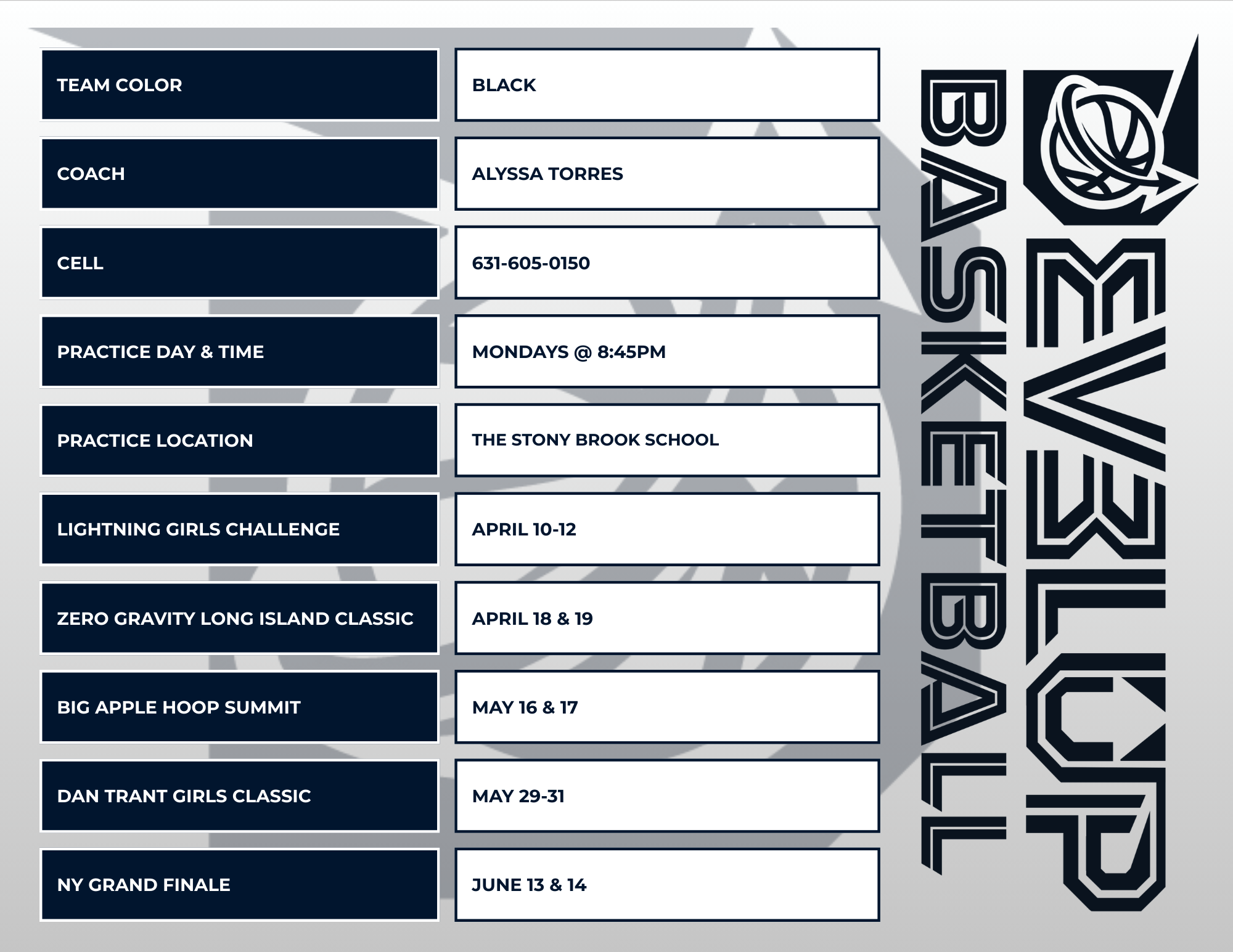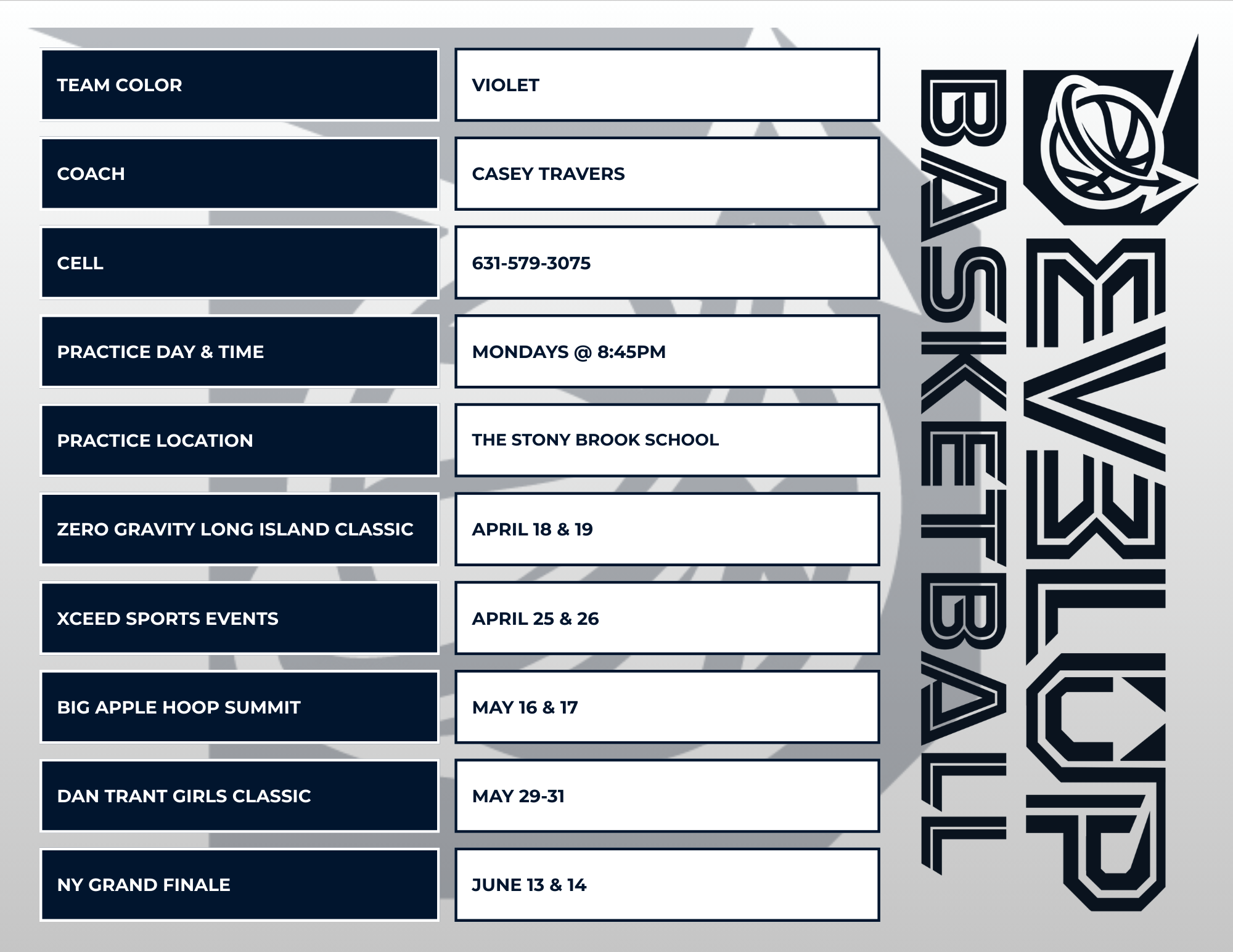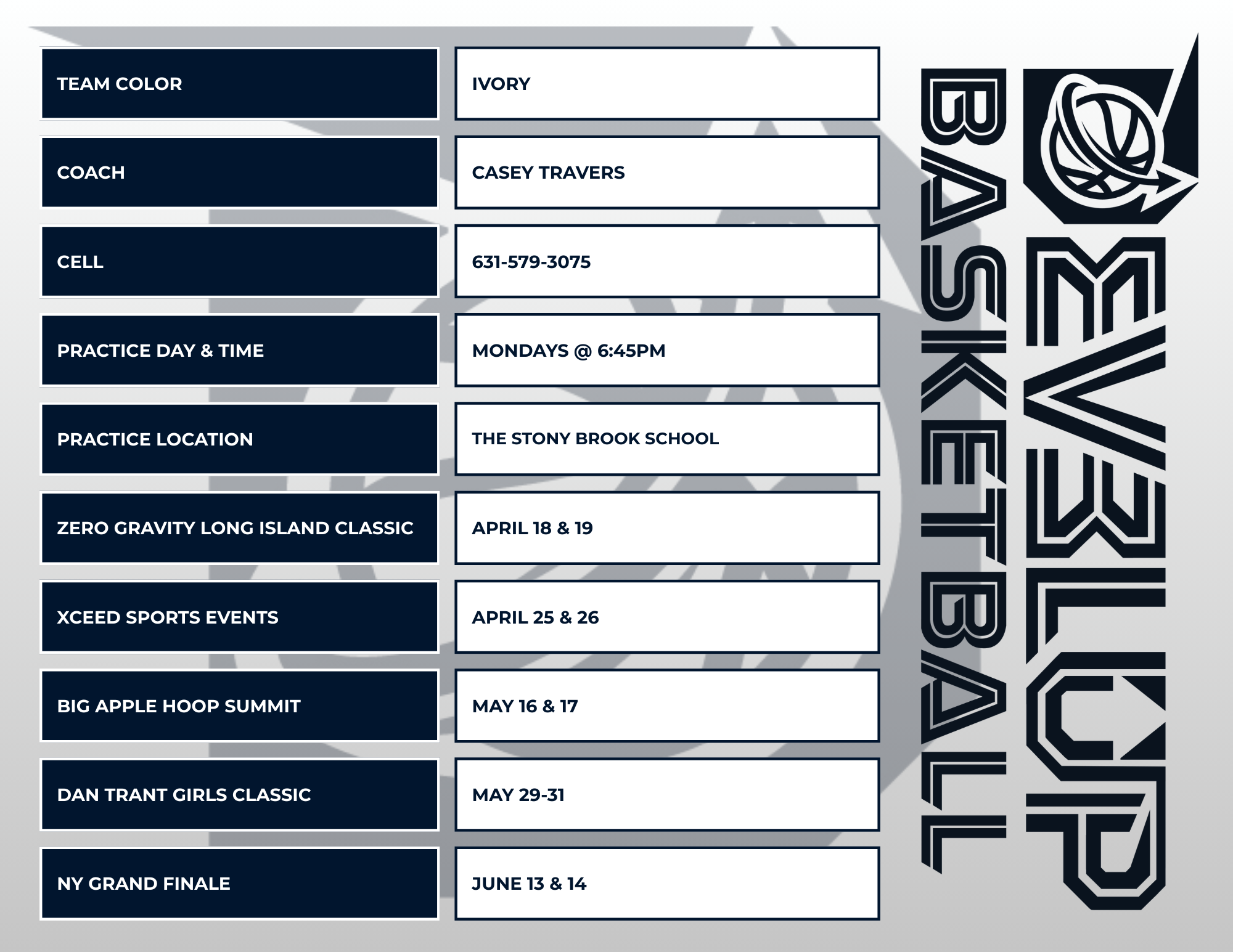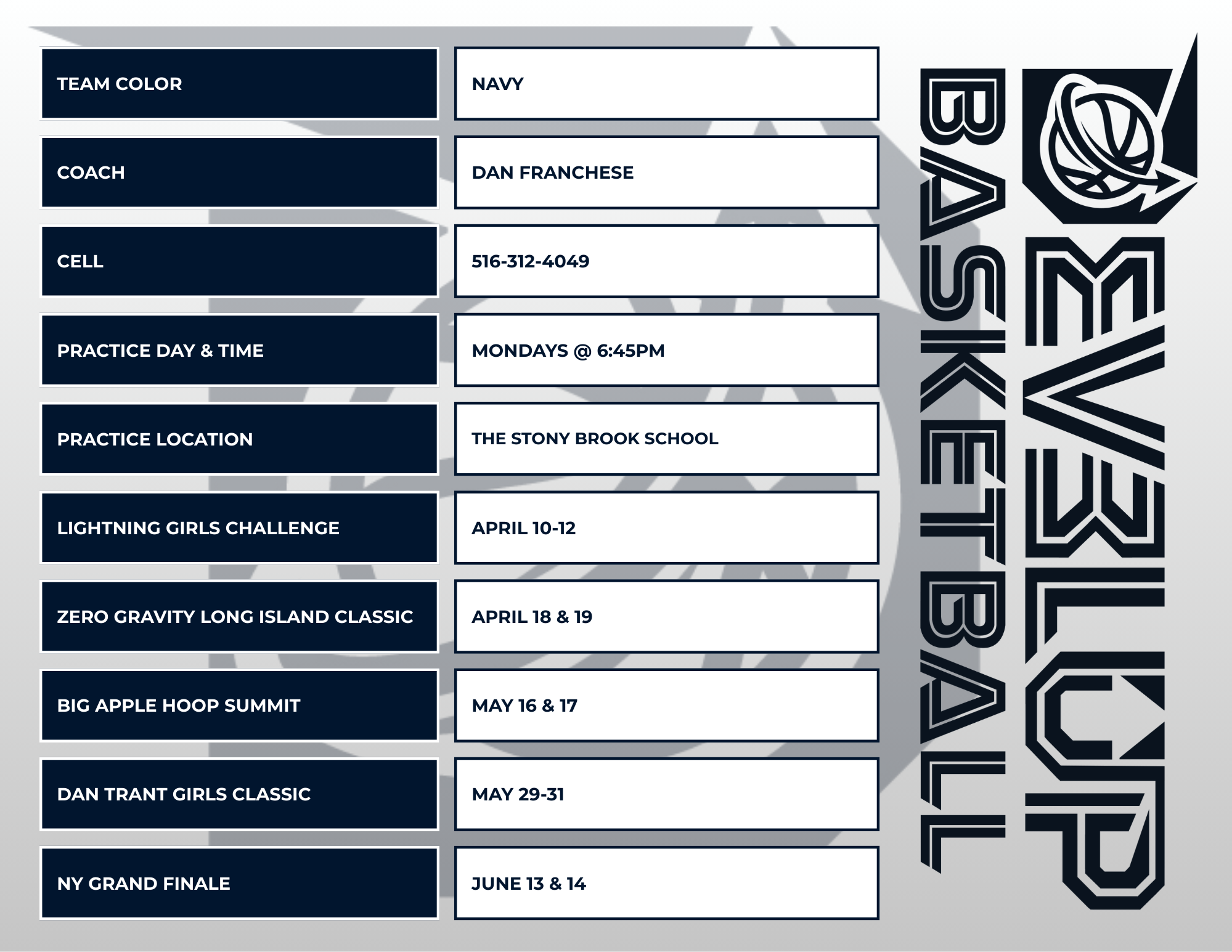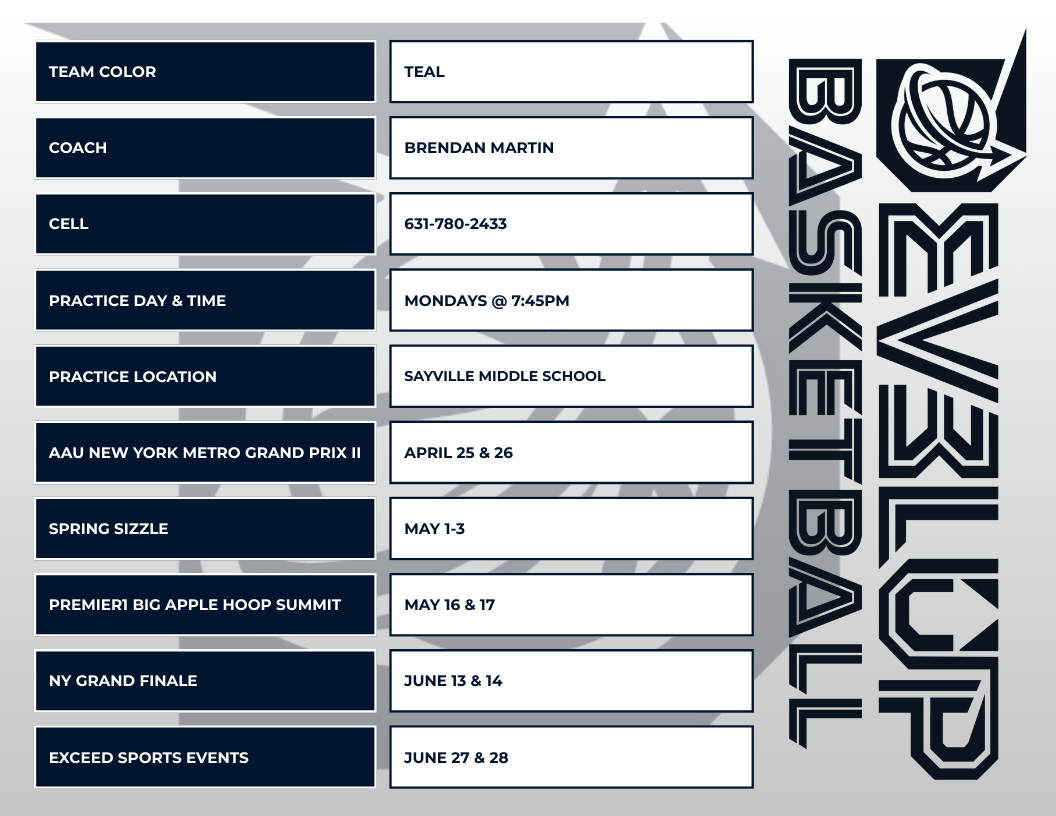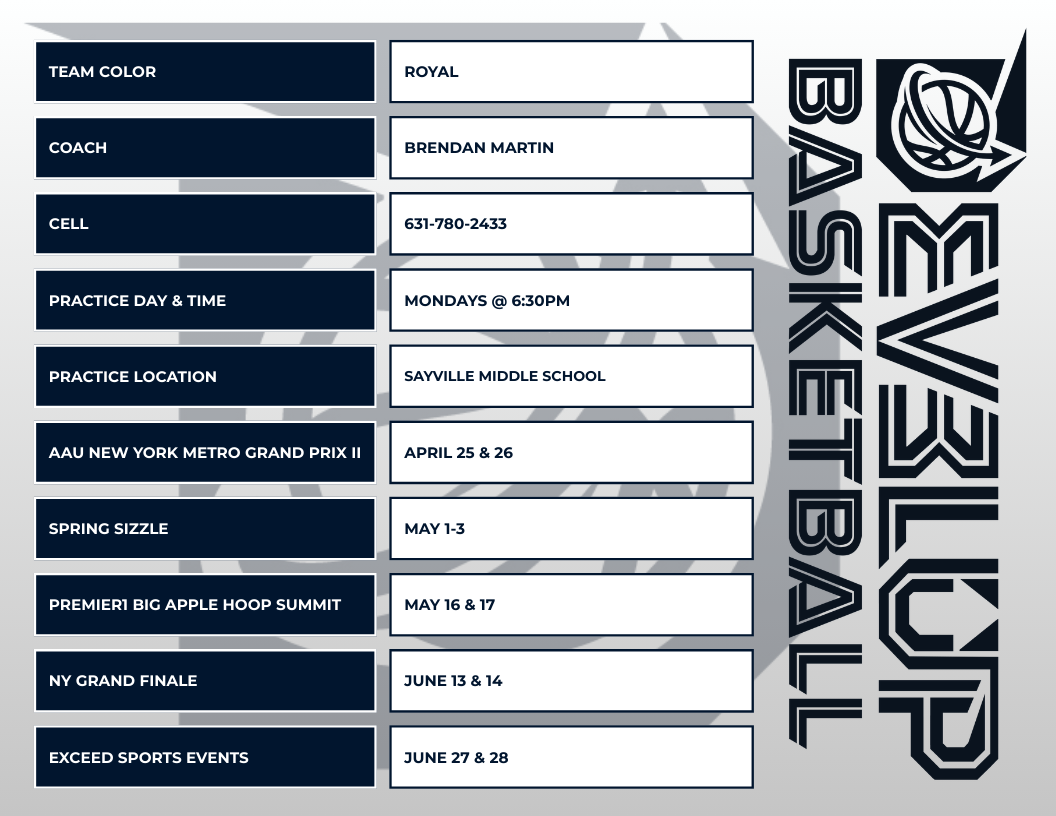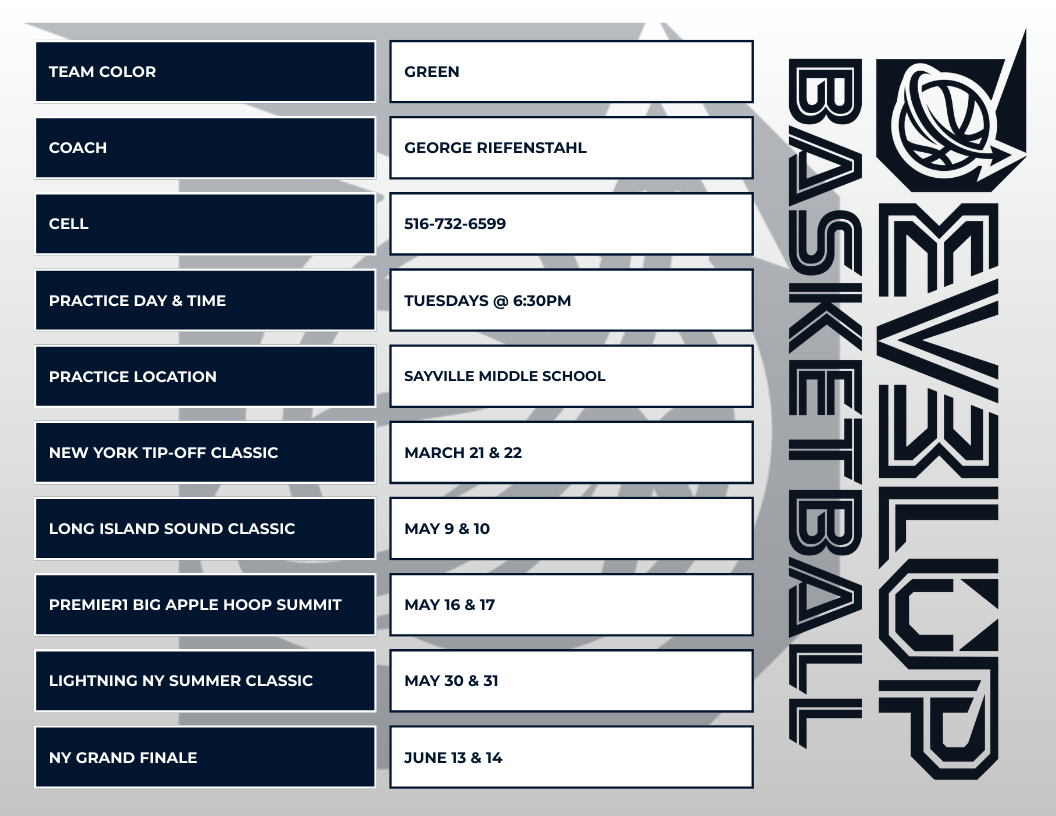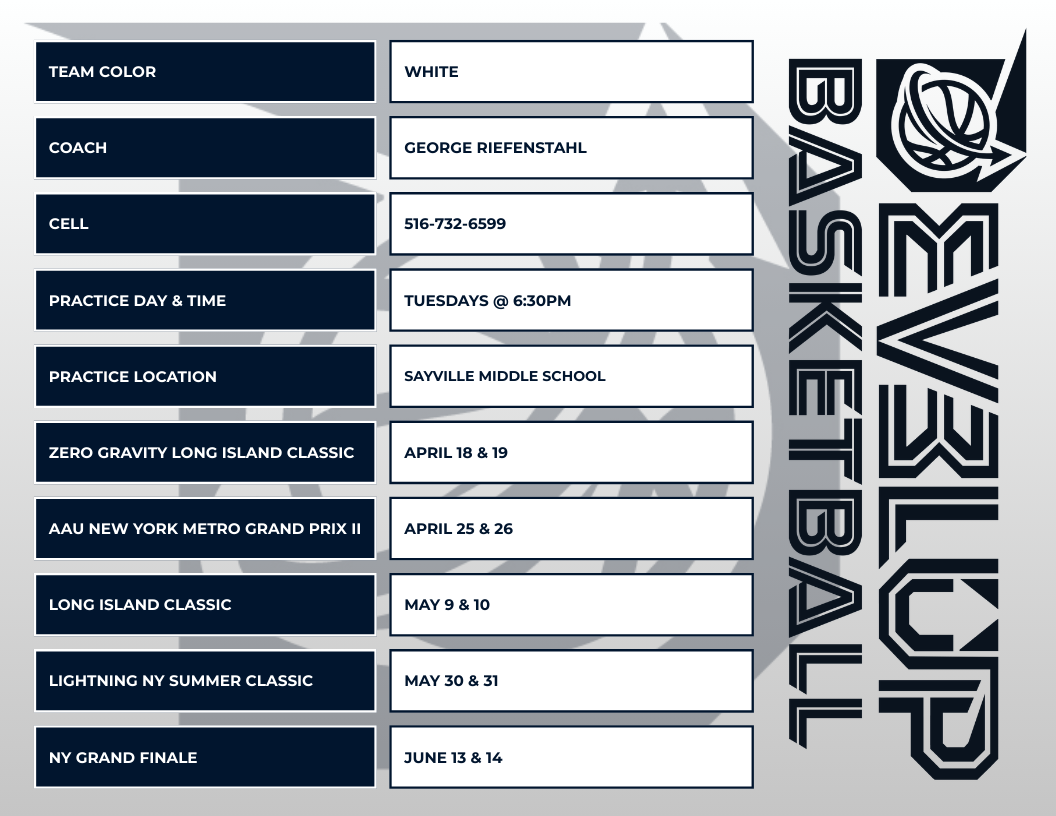


Walk into any gym on a Saturday morning across Nassau or Suffolk County, and you’ll hear sneakers squeaking, whistles blowing, and parents cheering from the bleachers. It looks like a typical youth sports scene. But if you look closer at what’s really happening on the hardwood, you’ll notice something bigger than the final score. Youth basketball teams Long Island are shaping kids into confident, disciplined, and socially connected young people — and the wins on the scoreboard are just a small part of the story.
For families exploring options, it can help to understand why so many parents are enrolling their children year-round, not just for one season. Let’s dig into what makes youth basketball teams Long Island valuable well beyond the final buzzer.
Why Youth Basketball Teams Long Island Matter for Child Development
Basketball is a fast-paced, decision-heavy sport. Every possession asks a young player to read the floor, communicate with teammates, and make split-second choices. This constant mental engagement builds cognitive skills that translate far beyond the court — into classrooms, friendships, and everyday problem-solving.
Local youth basketball teams Long Island also give kids structured routines. Practices, drills, and games teach time management and accountability at an age when those habits are still forming. A child who learns to show up on time for practice is often the same child who learns to turn in homework on time.
If you want a deeper look at how these programs operate day to day, you can Read the Blog – Youth Basketball Teams for a closer breakdown of team structures and coaching philosophies used across the island.

The Social Side of Youth Basketball Teams Long Island
One of the most underrated benefits of joining local Teams is the friendships that form along the way. Basketball naturally throws kids from different schools, neighborhoods, and backgrounds together, and that mix creates a social environment that’s hard to replicate in a classroom setting.
Here’s what that social growth typically looks like over a single season:
- Kids learn to communicate clearly under pressure, calling out plays or asking for help on defense
- Teammates develop trust by relying on each other during close games
- Players practice handling disagreements, like disputed calls or missed assignments, in a respectful way
- Friendships often extend outside the gym, into school hallways and neighborhood hangouts
- Shy or introverted kids frequently become more outgoing after a season of team bonding
- Older players naturally mentor younger or newer teammates, building leadership skills early
These experiences matter because they mirror real-world teamwork. Whether a child grows up to play competitive sports or not, the ability to collaborate and communicate under pressure is a skill they’ll use for life.
Building Character Through Every Season
Long Island’s basketball calendar doesn’t stop after one session. Programs typically run through Fall, Winter, Spring, and Summer, giving kids the option to stay active and engaged year-round instead of taking long breaks that can stall their progress.
This consistency does more than keep skills sharp. It reinforces habits like perseverance and resilience. A player who struggles in the fall often returns in the spring noticeably improved, having pushed through frustration instead of quitting. That kind of grit is one of the most valuable, and least talked about, outcomes of youth sports participation.
Parents interested in enrolling their child for an upcoming session can check the current Season schedule to see what’s available and how registration works.

Skill Development Without the Pressure
A common misconception is that youth basketball teams Long Island are only for kids chasing a college scholarship or a spot on a travel squad. In reality, most programs are designed to meet players exactly where they are, whether that’s a first-timer learning to dribble or an experienced player refining a jump shot.
Quality coaching focuses on fundamentals first: footwork, ball-handling, spacing, and basic defensive positioning. For families who want more individualized attention, dedicated Training sessions can supplement team practices and help a child work on specific weaknesses at their own pace.
And when it’s time to gear up, local families often turn to the Store for uniforms, shoes, and practice equipment, making sure kids feel prepared and confident before stepping onto the court.
The Long-Term Payoff
The real value of youth basketball teams Long Island isn’t measured in trophies. It shows up years later, in a teenager who knows how to handle disappointment gracefully, a young adult who understands the value of teamwork in a job setting, or a college student who learned discipline from years of early morning practices.
Coaches and program directors across the island consistently emphasize this bigger picture. Winning games is fun and worth celebrating, but the habits, friendships, and confidence built along the way are what actually stick with kids as they grow up.
Final Thoughts
Choosing to enroll a child in youth basketball teams Long Island is about far more than chasing a championship banner. It’s an investment in confidence, friendship, resilience, and lifelong habits that extend well past the final whistle. Whether your child is picking up a basketball for the first time or has been playing for years, the true reward comes from everything the game teaches along the way.
FAQs
Q. What age can kids start playing on youth basketball teams Long Island?
Most programs welcome players as young as 5 or 6 in introductory leagues, with more competitive divisions available as children get older, typically grouped by age or school grade.
Q. Why should my child play basketball instead of just practicing at home?
Team environments teach communication, cooperation, and healthy competition that solo practice simply can’t replicate. Structured teams also provide consistent coaching and skill progression.
Q. When is the best time to sign up for a season?
Registration usually opens a few weeks before each seasonal session begins, whether that’s fall, winter, spring, or summer, so checking early ensures a spot on a preferred team.
Q. How do youth basketball teams Long Island help with academic performance?
The discipline, time management, and focus required for regular practice often carry over into better study habits and classroom behavior.
Q. Where can families find equipment for the season?
Local sporting goods retailers and team-specific stores typically carry everything from basketball shoes to practice jerseys.