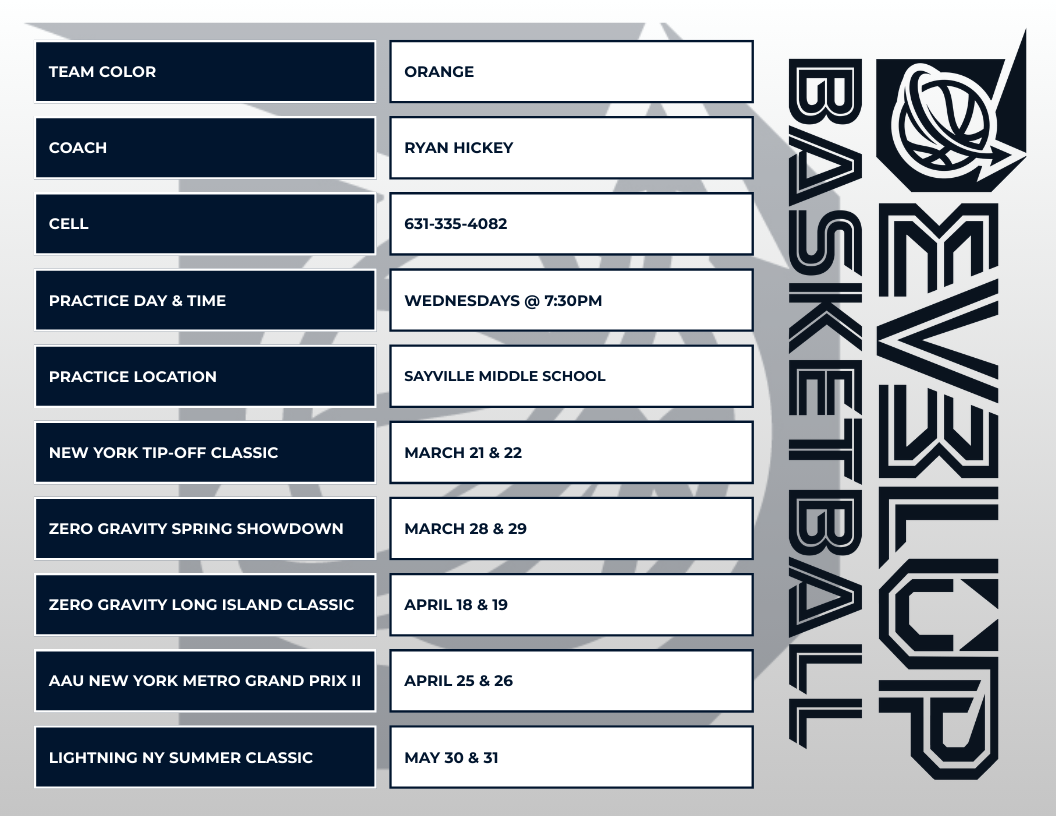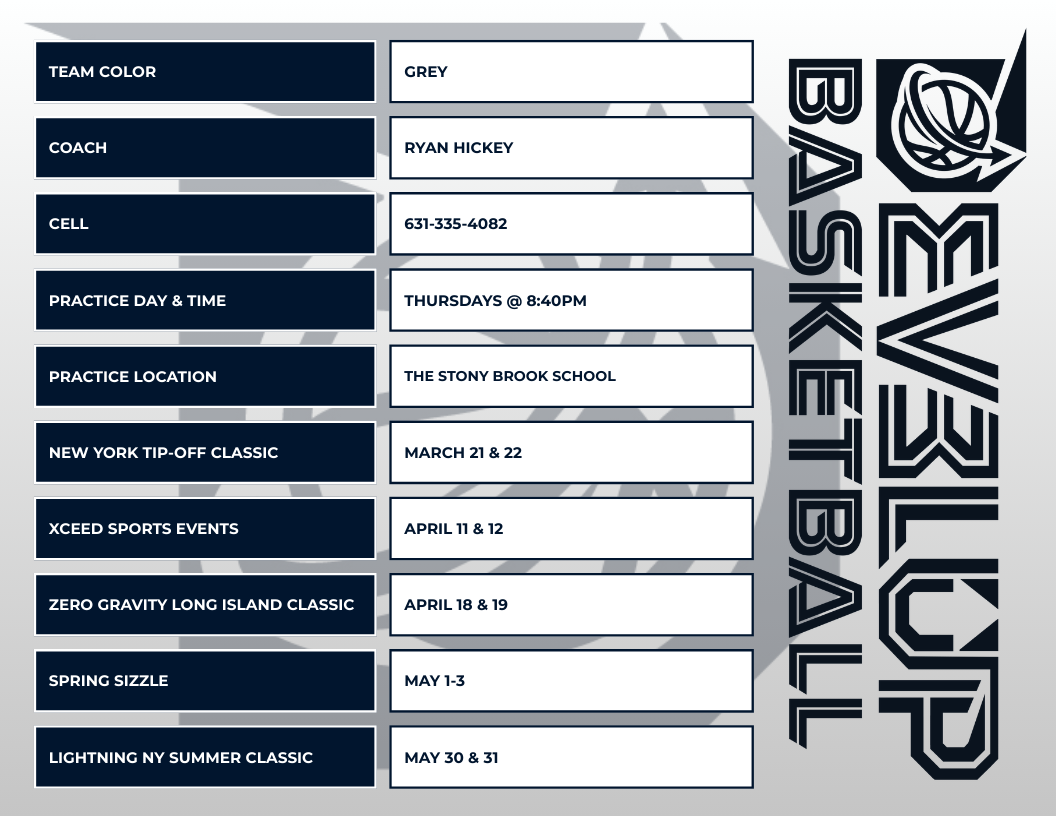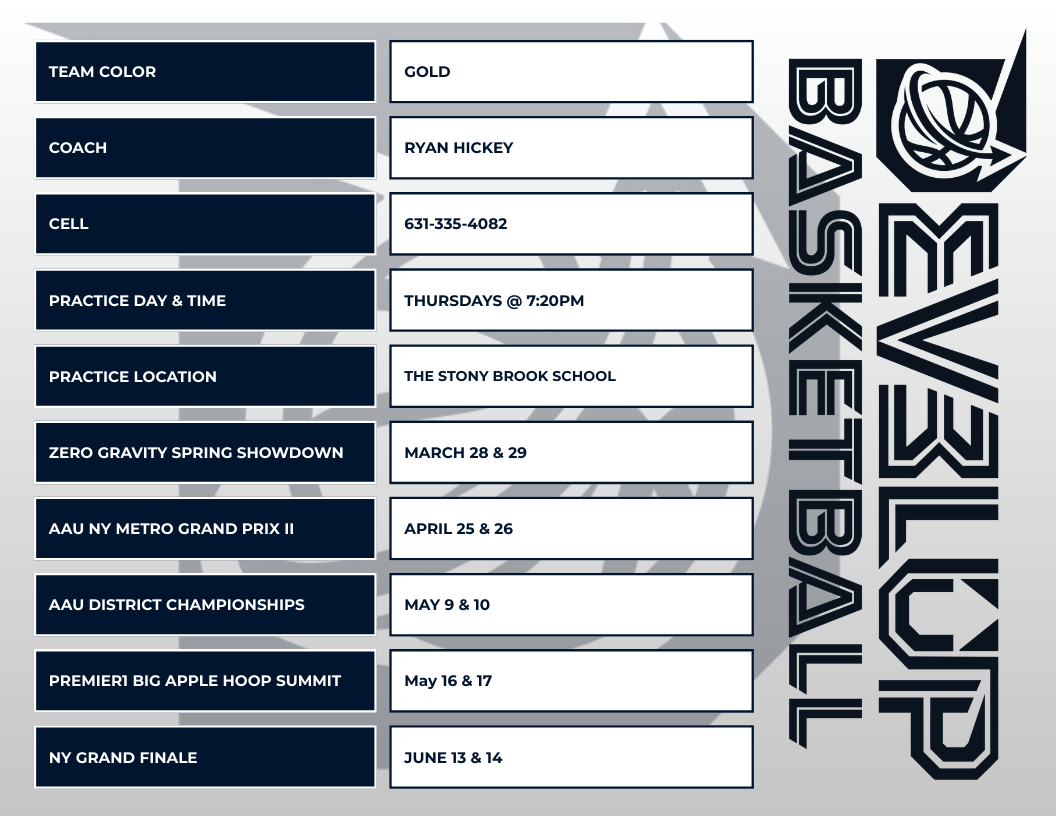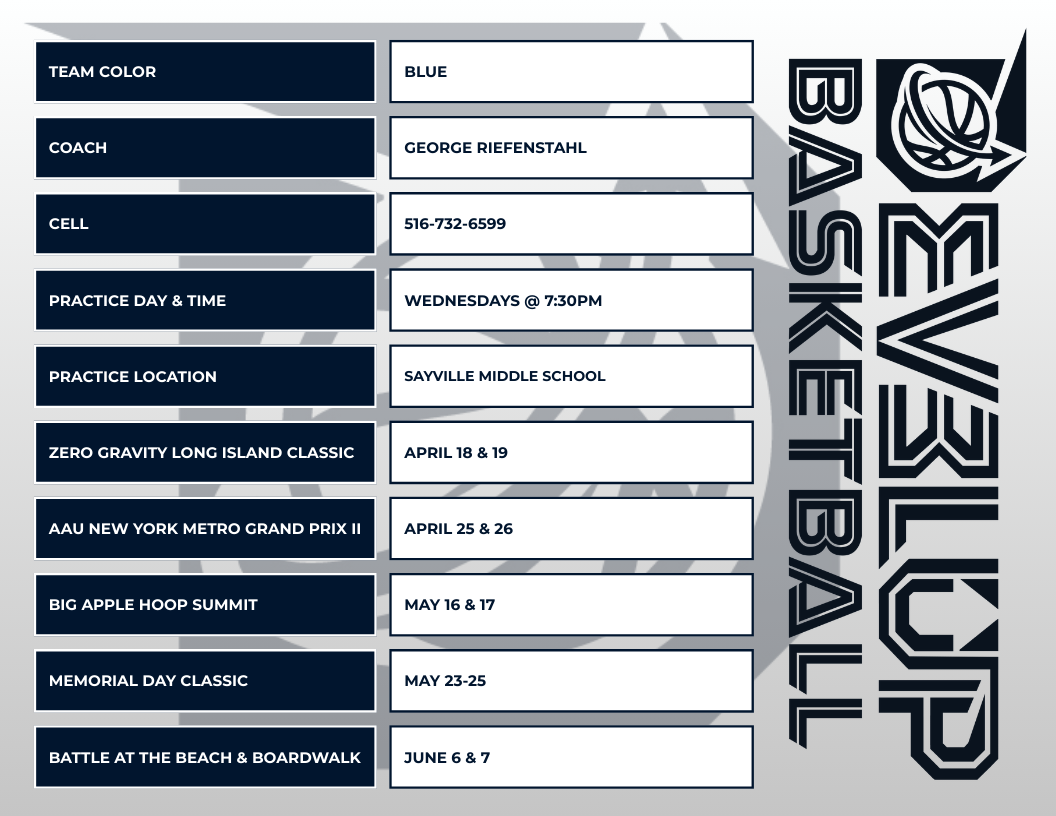


If you’ve spent any time on the sidelines of a Long Island gym on a Saturday morning, you already know the region takes its basketball seriously. Parents drive across counties, kids lace up before sunrise, and coaches debate lineups like it’s the NBA playoffs. In the middle of all that energy sits one big question that every family eventually faces: should a young player focus on training or competition? The truth is, the best Long Island AAU Basketball Programs don’t force a choice between the two — they build a season around both, in a sequence that actually makes sense for how kids develop.
What Makes Long Island AAU Basketball Programs Different
Not every AAU program is built the same way. Some are essentially “pickup teams with jerseys” that exist to enter tournaments and rack up trophies. Others are structured more like development pipelines, where games are a checkpoint rather than the whole point. Long Island AAU Basketball Programs tend to fall into that second category more often than people expect, largely because the talent density on the Island is high enough that coaches can’t get away with skipping fundamentals. A guard who can’t finish with either hand, or a forward who’s never learned a defensive stance, gets exposed fast in a league this competitive.
That competitive pressure is actually a hidden advantage. It forces programs to treat training as non-negotiable, not as an afterthought squeezed in before a tournament. It’s also why the region has become something of a proving ground — Long Island has even produced NBA-level talent and hosted professional franchises, including the Long Island Nets, which has only raised the local bar for what “serious basketball” looks like.
Training: The Foundation Long Island AAU Basketball Programs Are Built On
Training is where the actual improvement happens. Games reveal what a player can do; practice is where that ability gets built in the first place. In a strong AAU environment, training sessions are structured around measurable skill progression rather than just running drills to fill time.
Here’s what quality training typically includes in a well-run Long Island AAU Basketball Program:
- Skill-specific instruction — ball handling, footwork, shooting mechanics, and finishing at the rim, broken down individually rather than lumped into generic “practice”
- Position-based development — guards and forwards get different coaching cues because their roles on the floor demand different tools
- Film and feedback — some programs review clips with players so they can see their own habits instead of just hearing about them
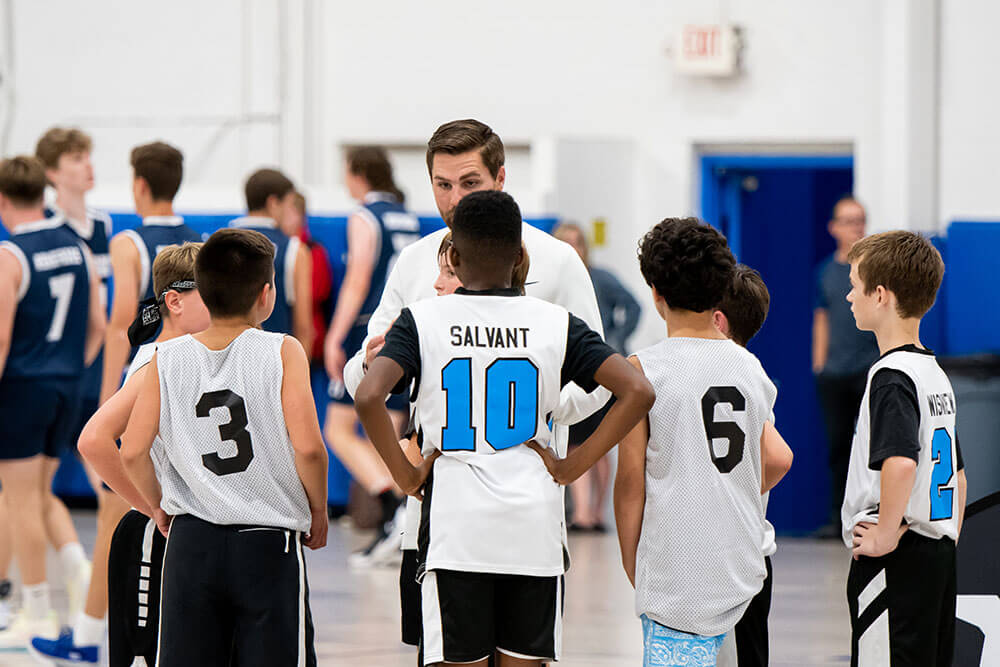
- 1:1 or small-group coaching — individualized attention that a 12-person team practice can’t always provide
- Conditioning and basketball IQ work — teaching players to read defenses and make quicker decisions, not just run faster
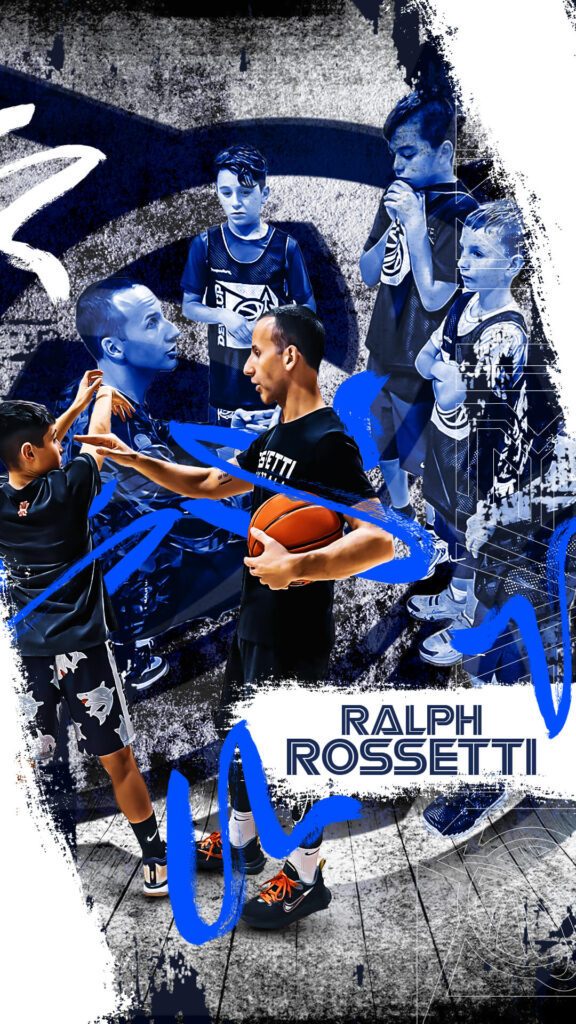
Programs that invest in this kind of structured training, like the coaching approach outlined by Rossetti Basketball, understand that a player’s ceiling is set in these sessions — the games just show how close they’ve gotten to it.
Competition: Where Long Island AAU Basketball Programs Prove Development
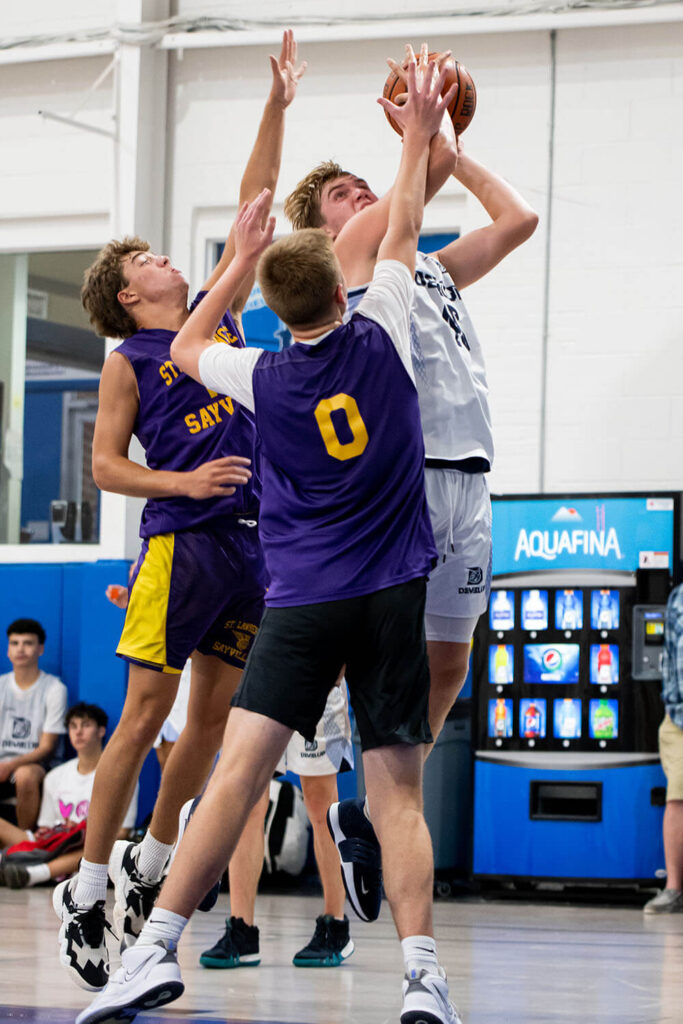
If training is the classroom, competition is the exam. Tournaments, leagues, and 3-on-3 events give players a chance to test their skills against unfamiliar opponents, under real pressure, with a scoreboard that doesn’t care about anyone’s feelings. This is also where exposure happens — college scouts, high school coaches, and rival programs all take notice during competitive stretches, not during a Tuesday practice.
A few things happen during competition that training alone can’t replicate:
- Players learn to perform under pressure, including in front of parents, refs, and opposing crowds
- Weaknesses that looked minor in practice (like a hesitant left hand or slow defensive rotations) get magnified against real opponents
- Team chemistry gets tested when the game plan doesn’t go as scripted
- Players build the mental toughness needed to bounce back after a bad quarter or a tough loss
- Coaches get real data on where a player actually stands, not just where they think they stand
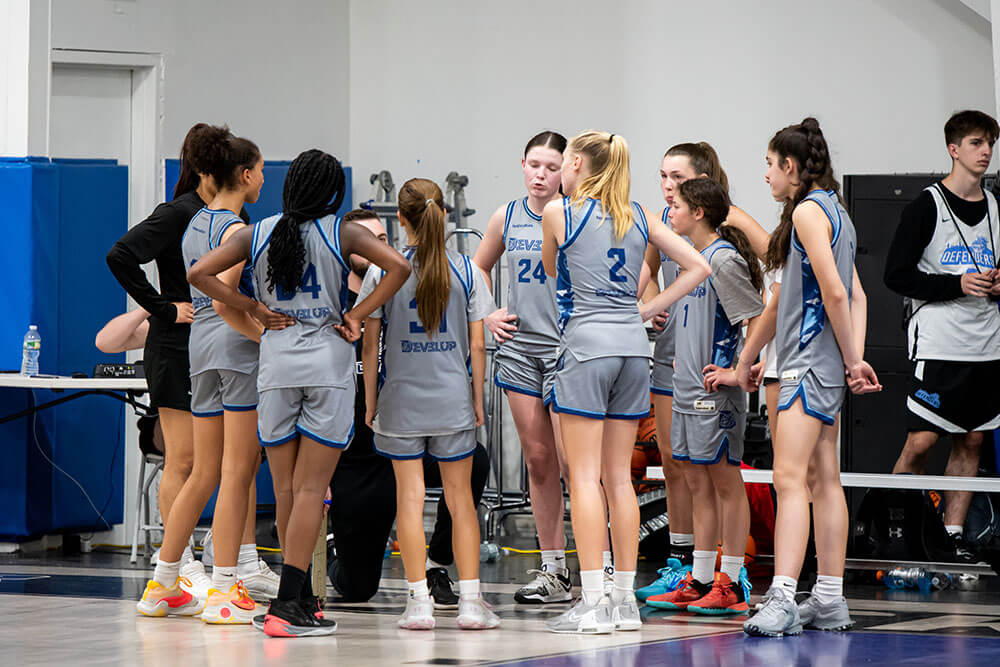
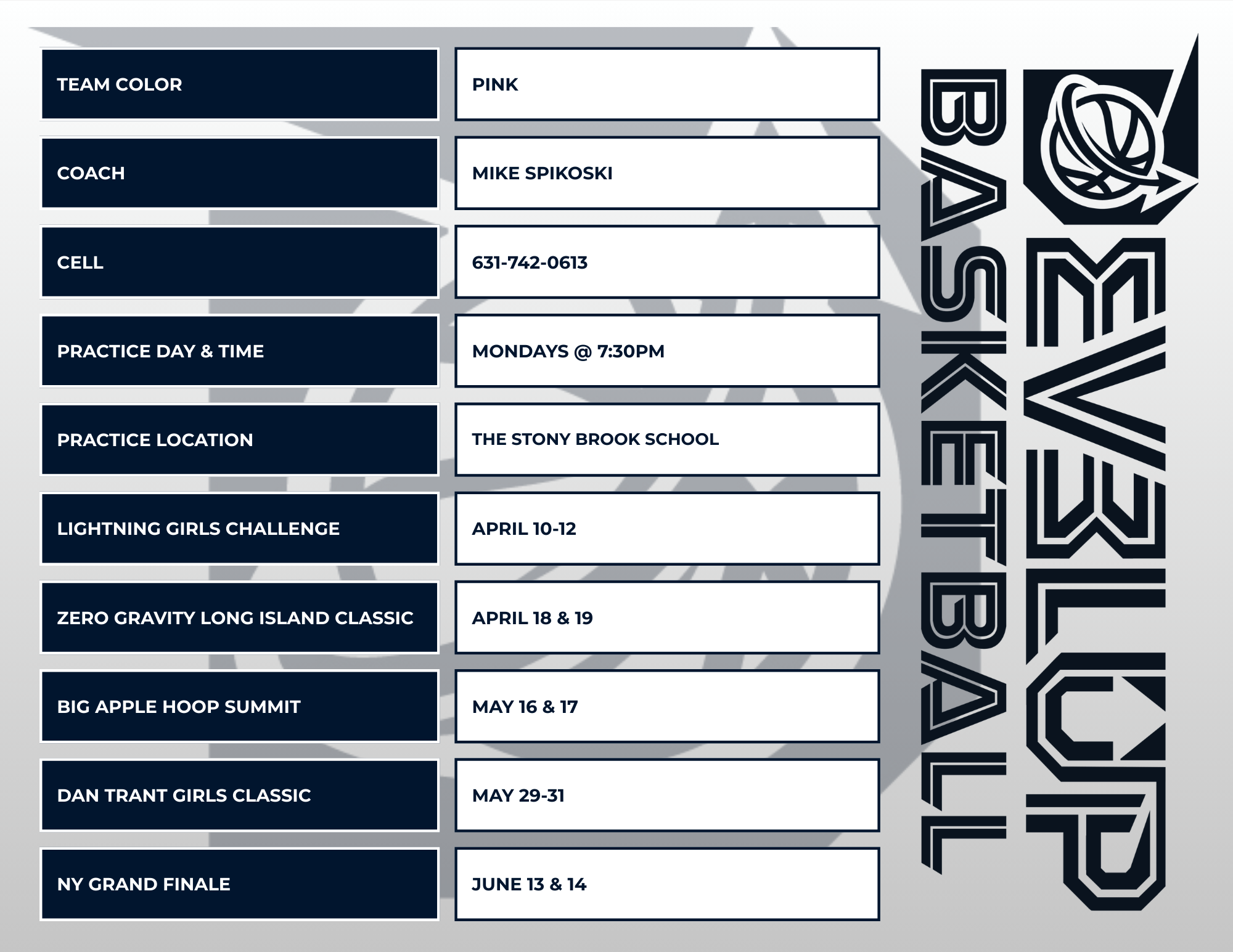
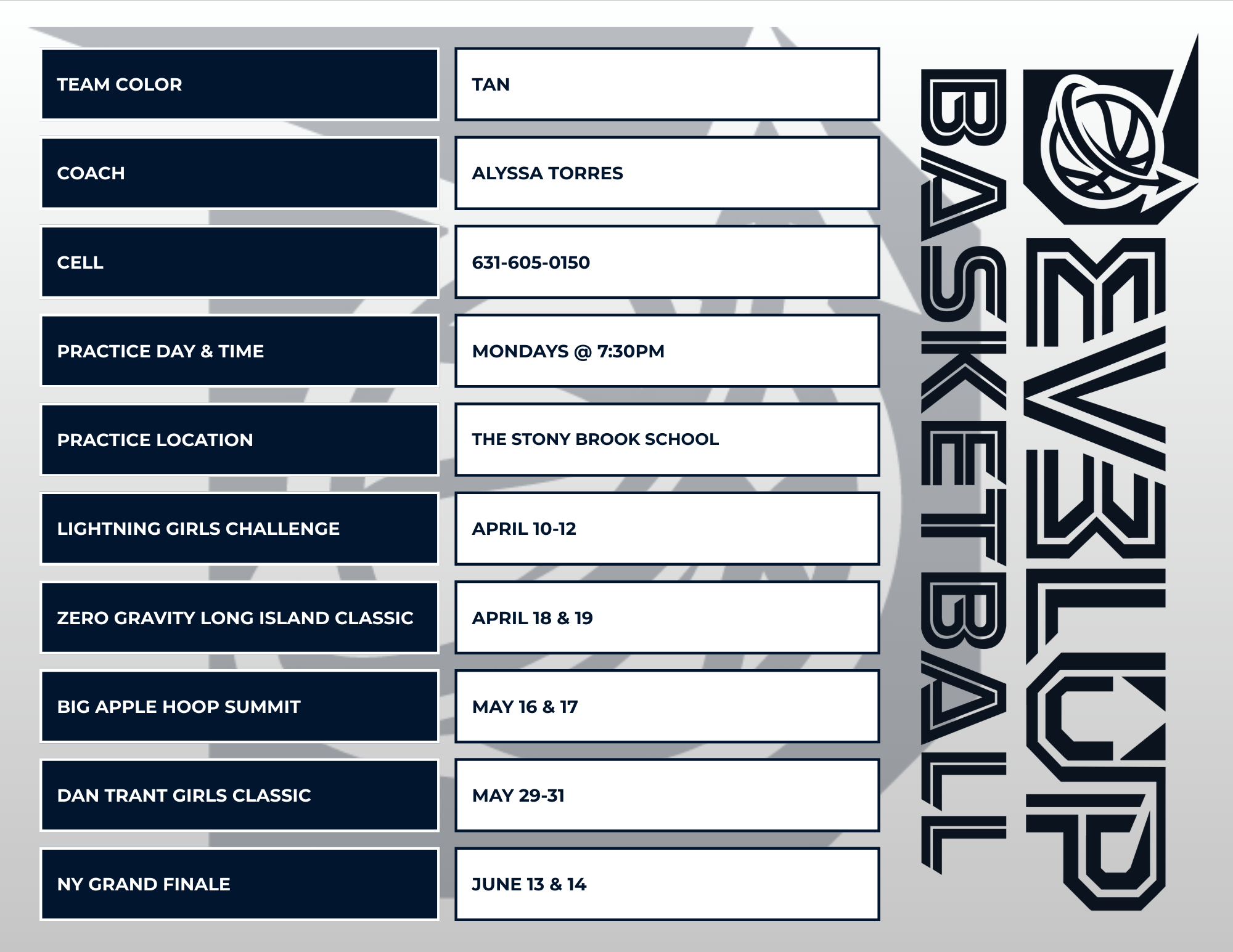
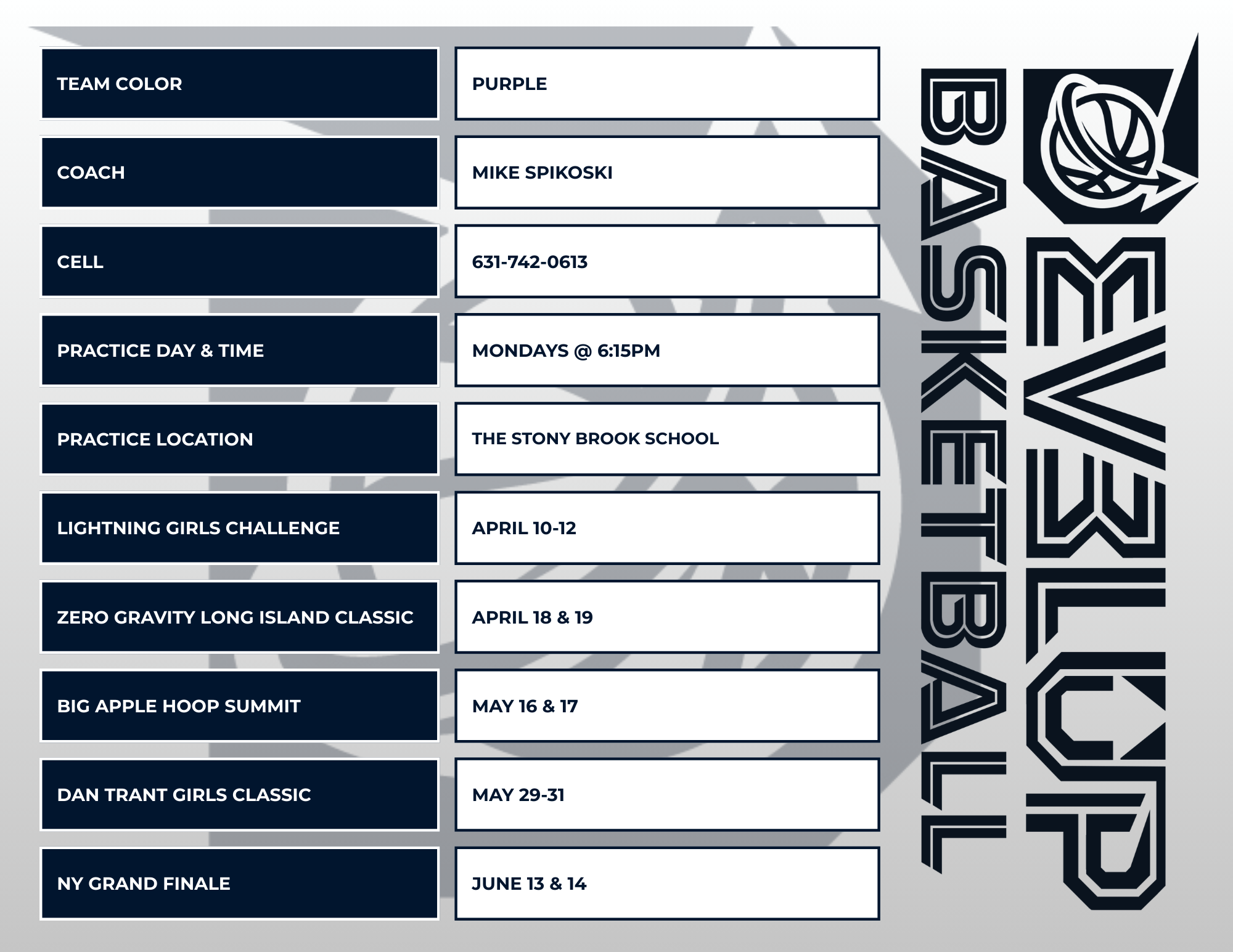
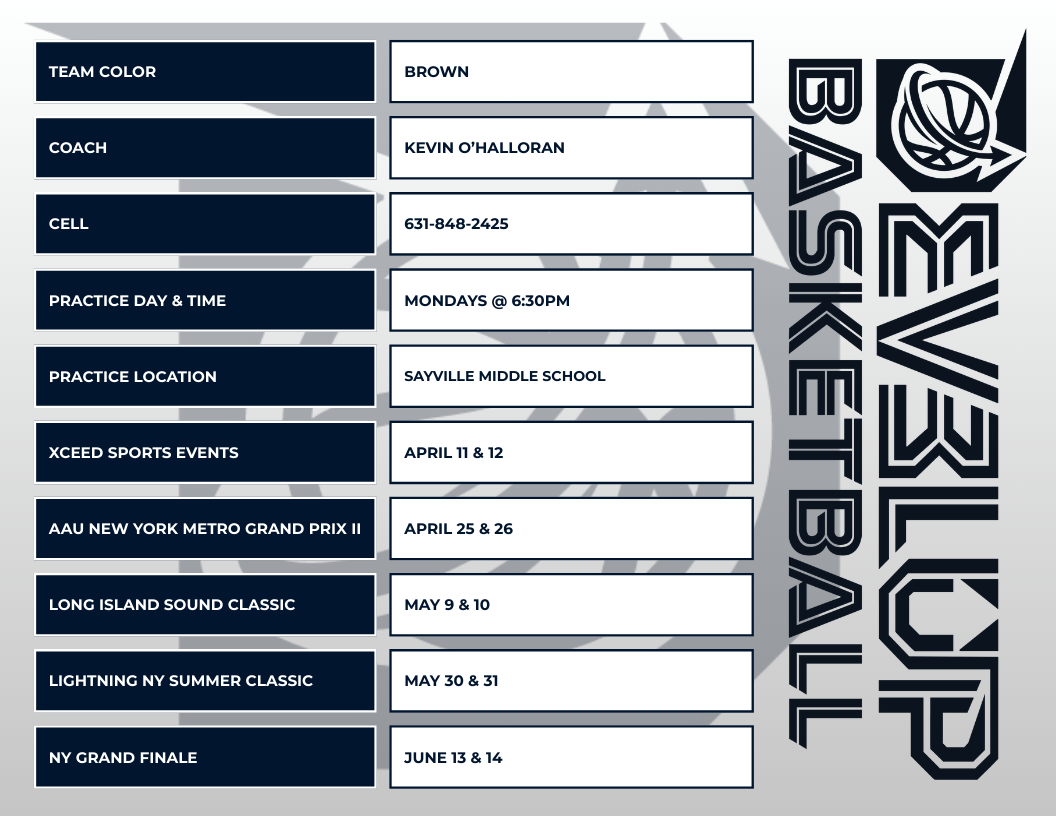
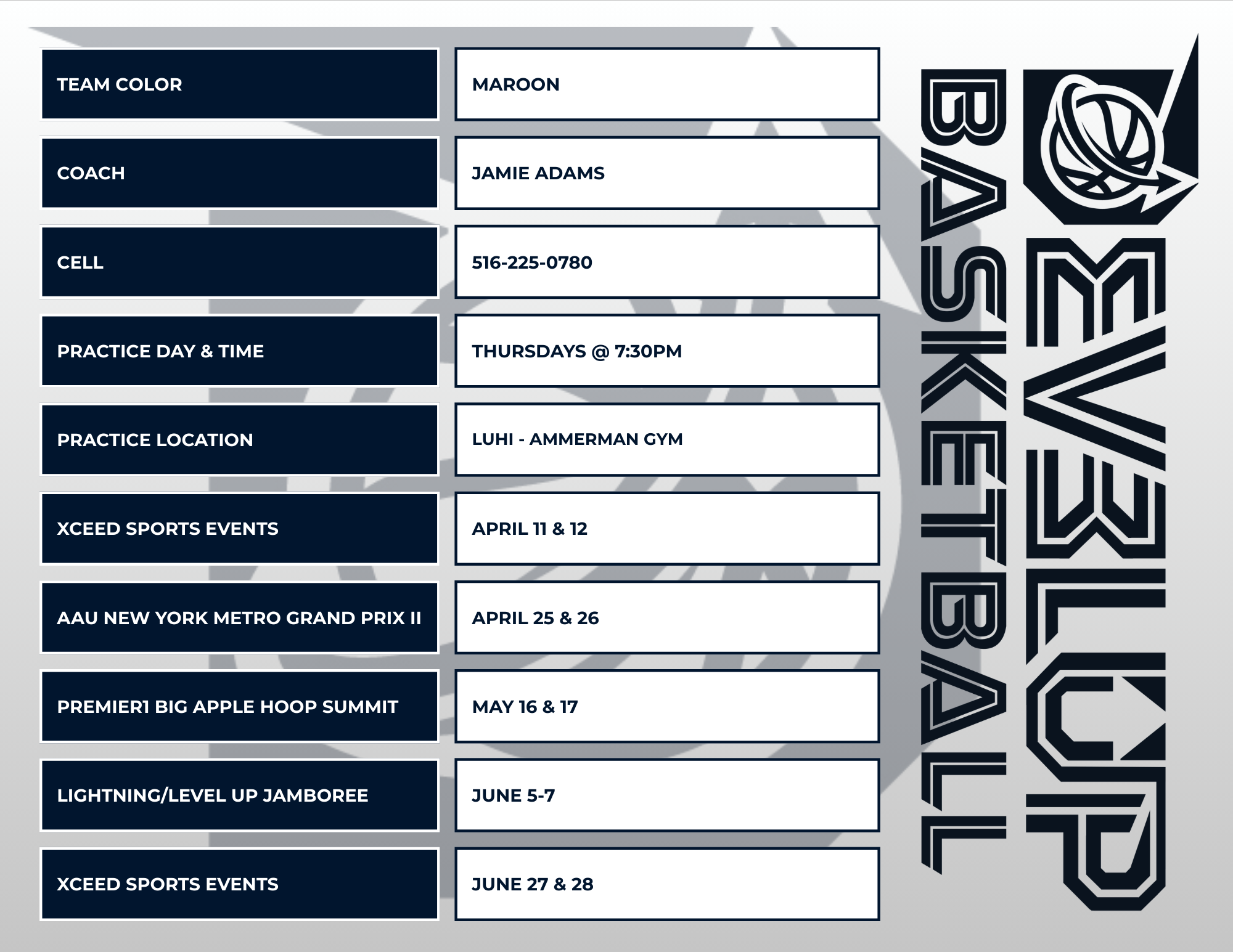
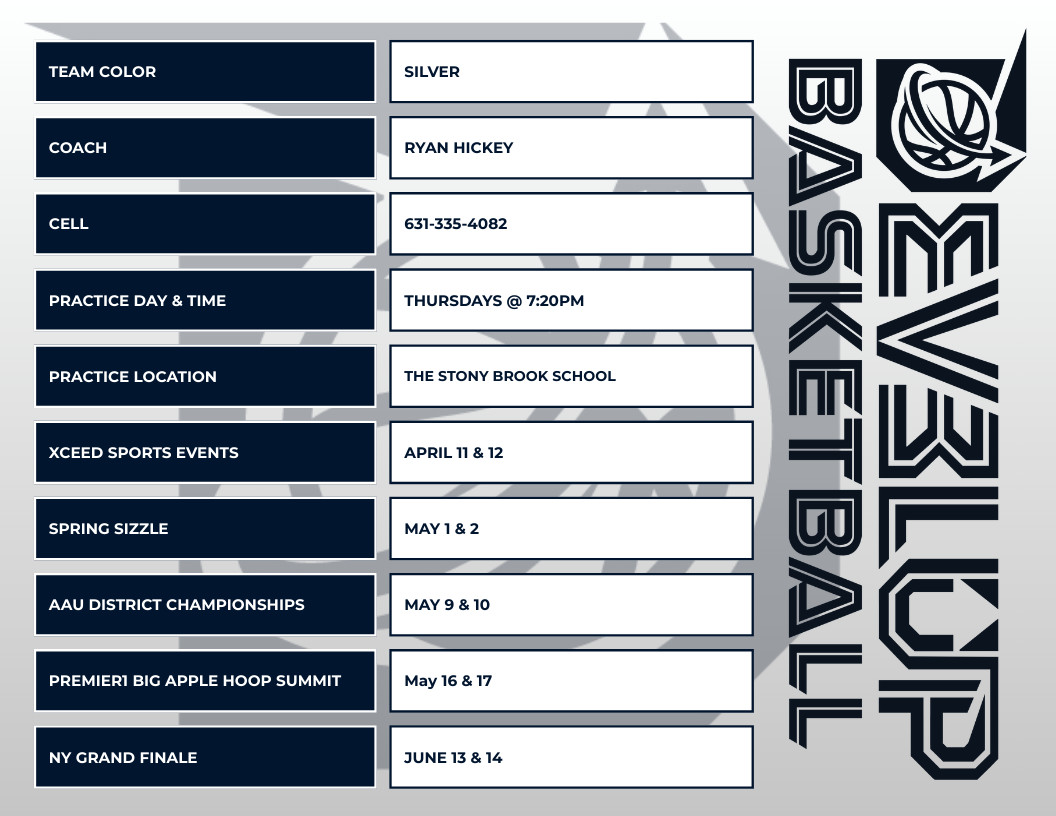
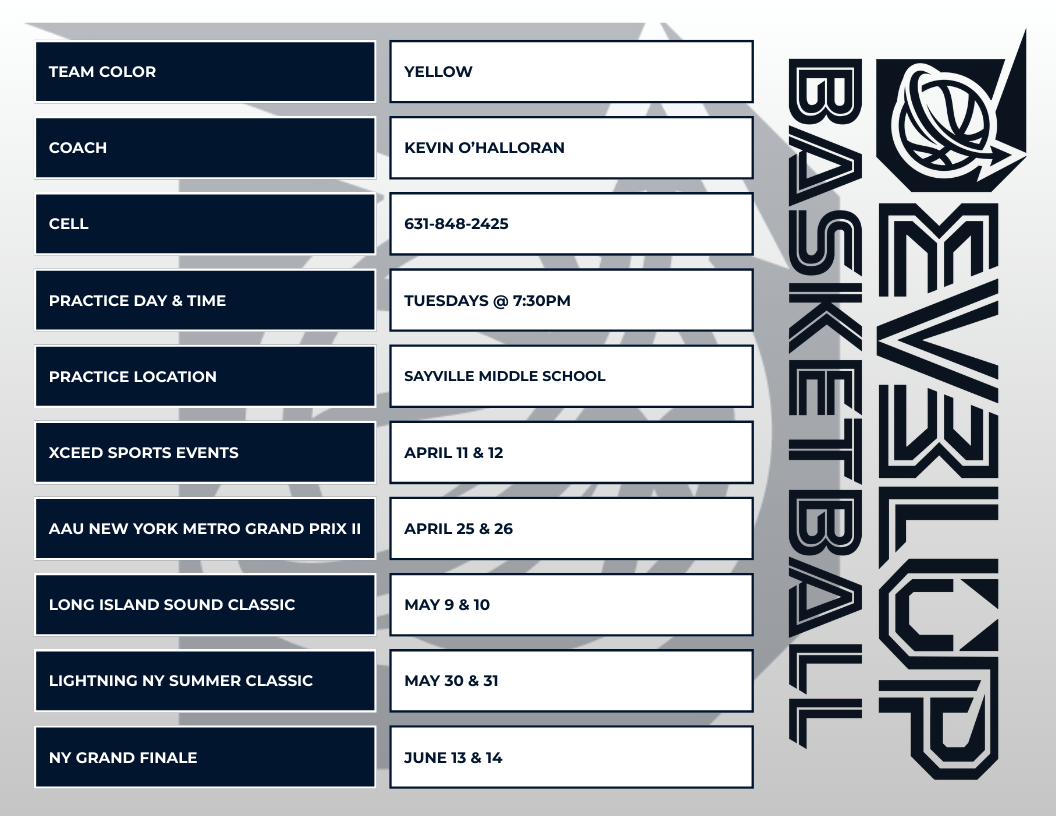
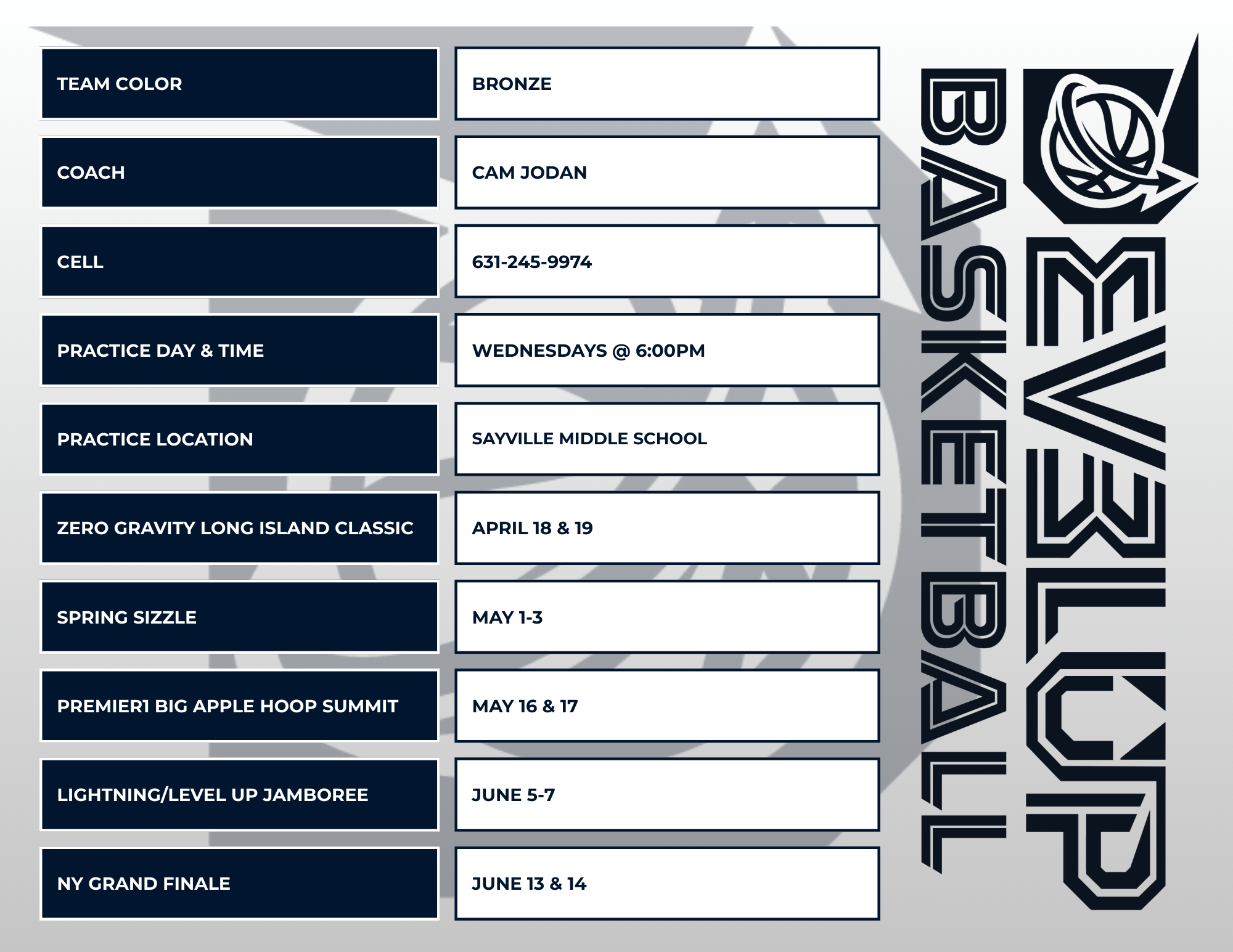
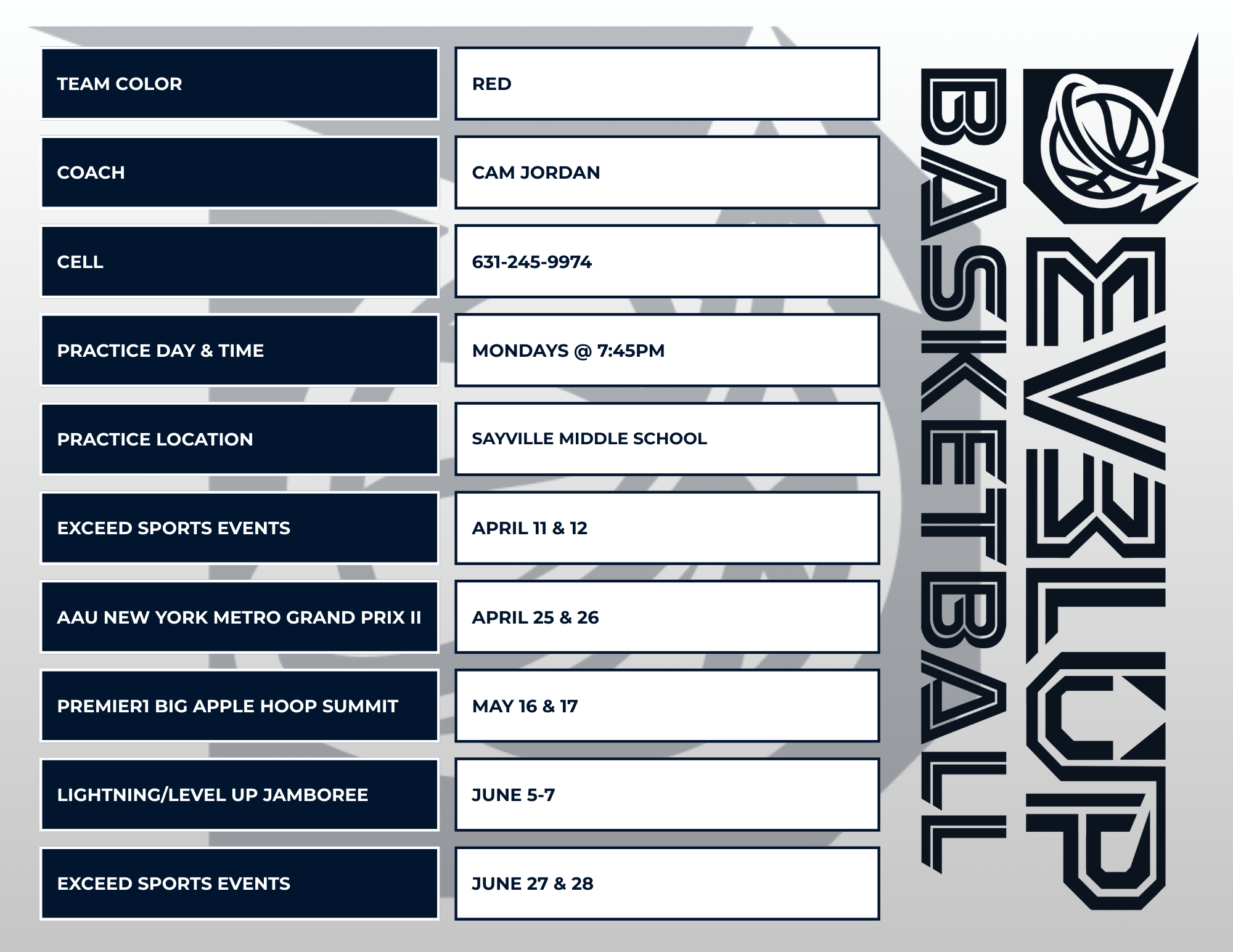
This is exactly why Long Island AAU Basketball Programs run structured seasonal calendars rather than a handful of random tournaments. A well-paced season typically rotates through distinct phases — Fall, Winter, Spring, and Summer — each with a slightly different balance of skill-building and game play, so players are never stuck doing the same thing for twelve straight months.
Finding the Right Balance in a Long Island AAU Basketball Program
The programs that get the best long-term results are the ones that treat training and competition as two halves of the same process, not competing priorities. Too much competition without enough training creates players who look good in games but never actually fix their weaknesses — the same mistakes just repeat season after season. Too much training without enough competition creates players who look great in a gym with no defense but freeze up the moment a real opponent applies pressure.
The right mix usually depends on the player’s age and stage. Younger players generally benefit from a heavier training emphasis, since skill windows are wide open and bad habits are easier to prevent than to fix later. Older or more advanced players often need more competitive reps to keep sharpening decision-making and stamina under pressure. If you’re comparing options and want a deeper breakdown of what separates the strongest programs in the region, this guide to AAU basketball programs on Long Island is a useful starting point, along with this closer look at Long Island AAU basketball options by age group and skill level.
What to Look for Before Choosing a Long Island AAU Basketball Program
Parents evaluating options should ask a few direct questions before committing a season’s worth of weekends:
- Does the program have a clear training curriculum, or is it just “practice, then games”?
- How often does the team actually compete versus train?
- Are coaches tracking individual player development, or only team wins?
- Is there a seasonal structure, or does it feel like the same routine year-round?
Programs that can answer these clearly — and back it up with real structure — tend to be the ones worth investing in. For a closer look at how the strongest options in the area compare, this rundown of the best AAU basketball programs on Long Island breaks down what separates a good program from a great one.
Final Thoughts
Long Island AAU Basketball Programs work best when they stop treating training and competition as opposites and start treating them as a cycle — build the skill, test it under pressure, come back and refine it again. That rhythm is what separates programs that produce trophies from programs that produce genuinely better players. Whether your athlete is just starting out or already logging serious tournament minutes, the right program will always know exactly where they are in that cycle.
FAQs
Q. What age can kids start Long Island AAU Basketball Programs?
Most programs welcome players starting around age 7 or 8, with age-specific divisions that adjust the level of competition and training intensity as players get older.
Q. How many days a week do Long Island AAU Basketball Programs typically train?
This varies by program and season, but most teams train two to three times per week during active seasons, with additional optional skill sessions available for players who want extra reps.
Q. Why do Long Island AAU Basketball Programs run separate seasons instead of one long season?
Breaking the year into Fall, Winter, Spring, and Summer allows programs to rotate the focus between skill development and competitive play, which helps prevent burnout and keeps improvement steady year-round.
Q. When should a player prioritize training over competition?
Younger or newer players generally benefit from a heavier training focus early on, since building fundamentals is easier before habits (good or bad) become ingrained.
Q. Where can I find a reputable Long Island AAU basketball program near me?
Look for programs with a documented training curriculum, transparent seasonal structure, and coaches who can speak specifically to individual player development, not just team records.