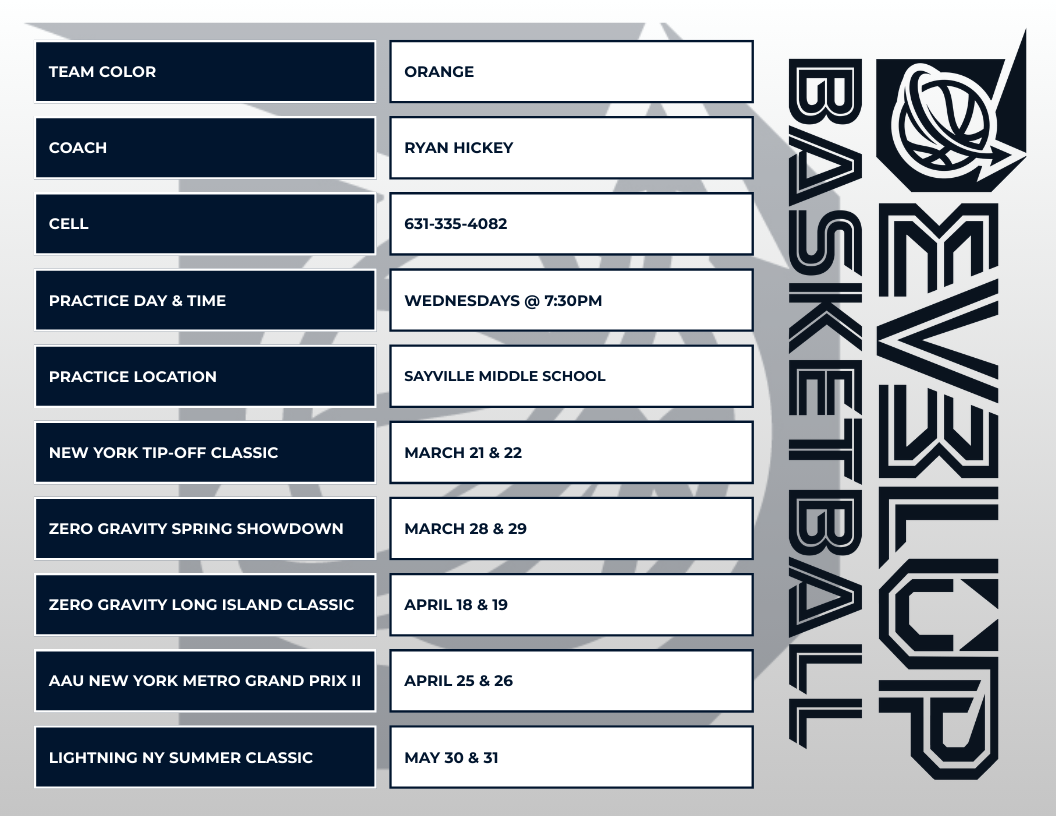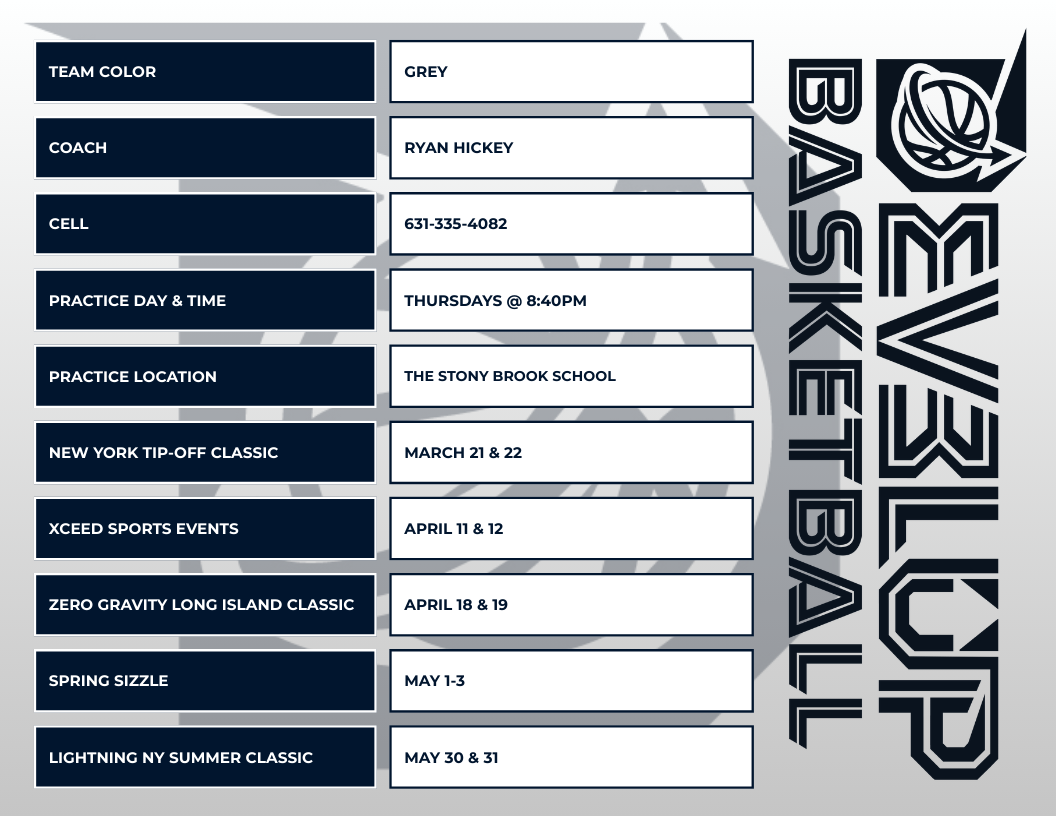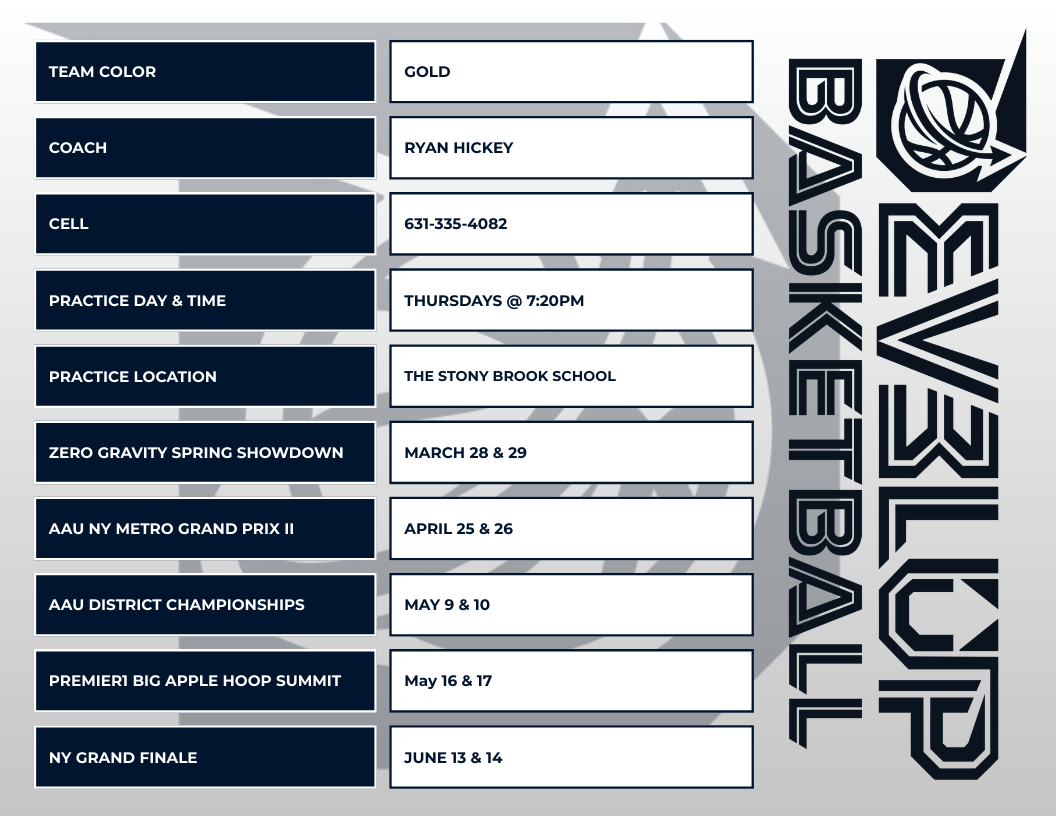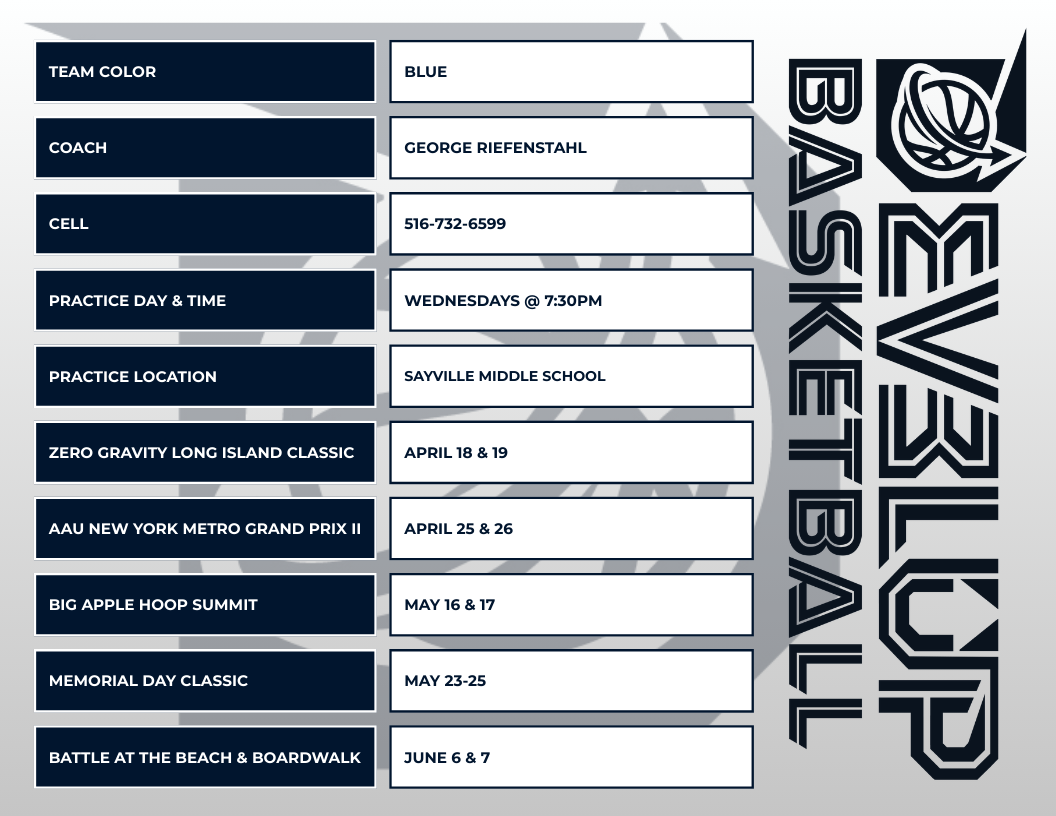

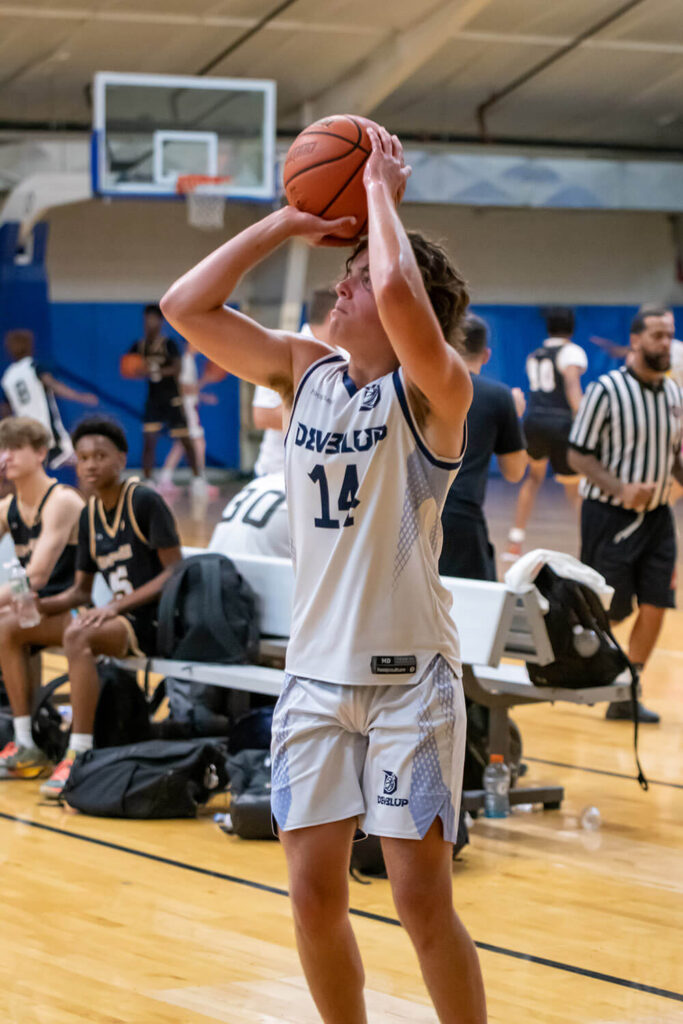
Basketball on Long Island isn’t just a weekend hobby anymore — it’s a year-round pathway for young athletes who want to compete, improve, and grow as players and people. Long Island travel basketball programs have become the go-to option for families who want their kids to experience a higher level of coaching, tougher competition, and a structured path toward long-term development. Unlike recreational leagues that run for a few weeks and stop, travel programs are built around continuous improvement, giving players the repetition and exposure they need to actually get better.
If you’re a parent exploring options for your young athlete, understanding what these programs offer — and how to pick the right one — can make all the difference.
Why Long Island Travel Basketball Programs Stand Out
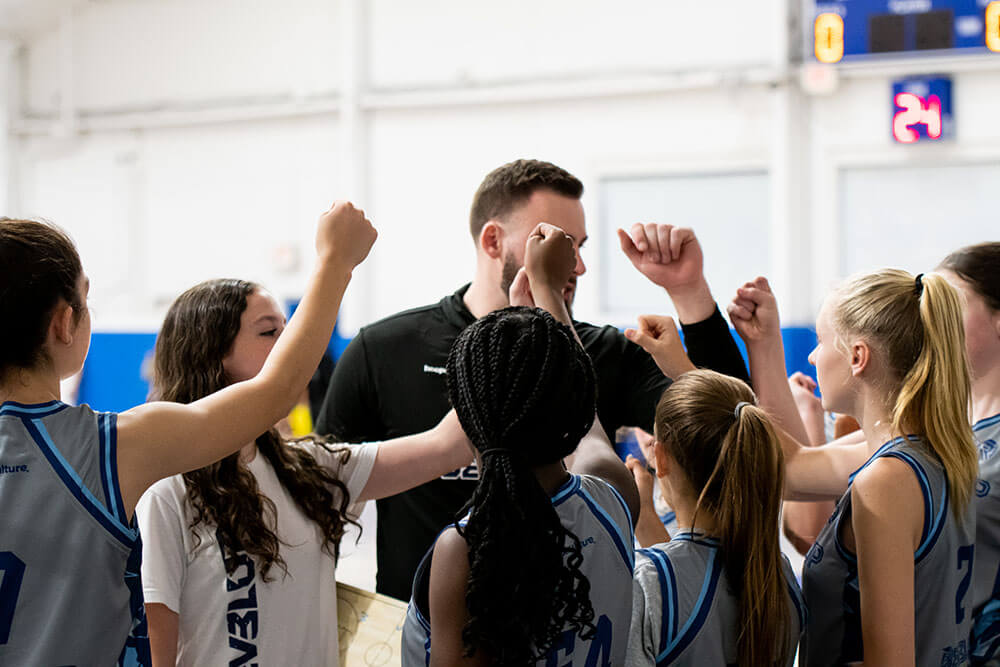
Long Island has quietly become a hotbed for youth basketball talent, thanks in part to its dense network of gyms, experienced coaches, and a culture that takes the sport seriously. What sets Long Island travel basketball programs apart from typical rec leagues is the intentional focus on skill progression rather than just game scheduling. Players aren’t just thrown onto a roster and told to show up on Saturdays — they go through structured Training sessions designed to build fundamentals like ball handling, shooting mechanics, footwork, and basketball IQ before those skills are ever tested in a live game.
This region also benefits from proximity to New York City’s basketball scene, which means players get exposed to advanced training methods and a competitive mindset earlier than they might elsewhere. It’s part of why so many families search specifically for travel basketball programs rather than settling for house leagues.
Skills Development: What Players Actually Gain
The core value of any travel program comes down to skill development, and the best Long Island travel basketball programs treat this as their top priority. Here’s what players typically walk away with after a full season:
- Stronger fundamentals — dribbling with both hands, footwork on drives, and proper shooting form get repeated attention rather than a single practice mention
- Basketball IQ — understanding spacing, reading defenses, and making quicker decisions under pressure
- Physical conditioning — improved speed, agility, and endurance built through structured practice routines
- Mental toughness — learning to handle mistakes, adjust after a bad quarter, and stay composed in close games
- Position versatility — many programs rotate players through different roles so they develop a well-rounded game instead of being boxed into one spot early
- Team communication — talking on defense, calling plays, and trusting teammates in game situations
These aren’t skills that develop overnight. They come from consistent reps, which is exactly why travel basketball’s extended schedule — compared to a short rec season — makes such a measurable difference.
Competition Level: Raising the Bar
One of the biggest draws of Long Island travel basketball programs is the quality of competition. Travel teams typically play against clubs from across the region, and sometimes even out of state, exposing players to different styles of play they wouldn’t see in a local rec league. Facing tougher opponents forces kids to adapt, problem-solve, and elevate their game in real time — which is often where the fastest growth happens.
Many programs structure their year around a defined competitive Season, giving players a clear arc to work toward rather than a scattered handful of games. This structure mirrors what athletes will eventually experience in middle school, high school, and beyond, making the transition to higher levels of play far less intimidating.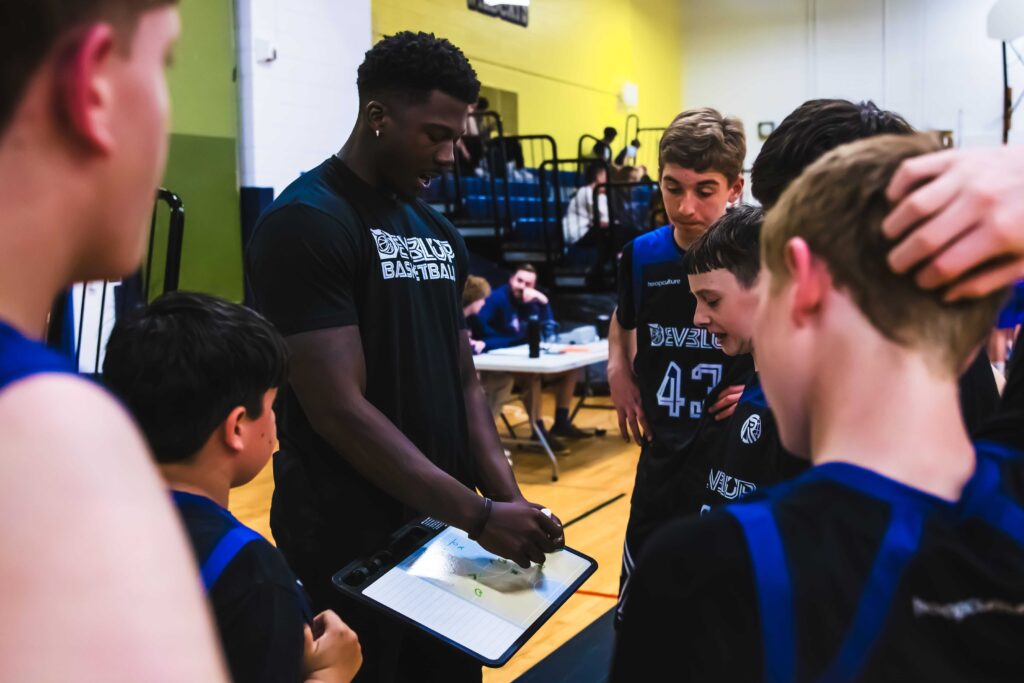
Year-Round Development: A Season for Every Goal
A major advantage of travel basketball over traditional rec leagues is that it doesn’t stop after a few months. Programs are typically broken into distinct training and competition windows throughout the year:
- Fall sessions focus on rebuilding fundamentals and conditioning after the summer break
- Winter is usually the primary competitive season, with the most games and highest-stakes matchups
- Spring offers a chance to fine-tune skills and prepare for the next competitive cycle
- Summer programs often emphasize individual skill camps, exposure events, and off-season strength building
This four-season structure means players are never starting from scratch — each phase builds on the last, creating a genuine development curve instead of a stop-and-start pattern.
Choosing the Right Program for Your Child
With so many options across Nassau and Suffolk counties, picking among Long Island travel basketball programs can feel overwhelming. A few things worth evaluating before committing:
- Coaching staff experience and their approach to player development versus just winning games
- Practice-to-game ratio, since skill-building requires more than just weekend games
- Age-appropriate competition level so players are challenged without being overwhelmed
- Communication with parents about playing time, progress, and expectations
- Flexibility to join for a single season or commit year-round
- Cost transparency and what’s actually included (uniforms, tournament fees, training sessions)
For a closer look at how one program structures its offerings across the calendar, this breakdown of Long Island travel basketball programs covers the details worth comparing.
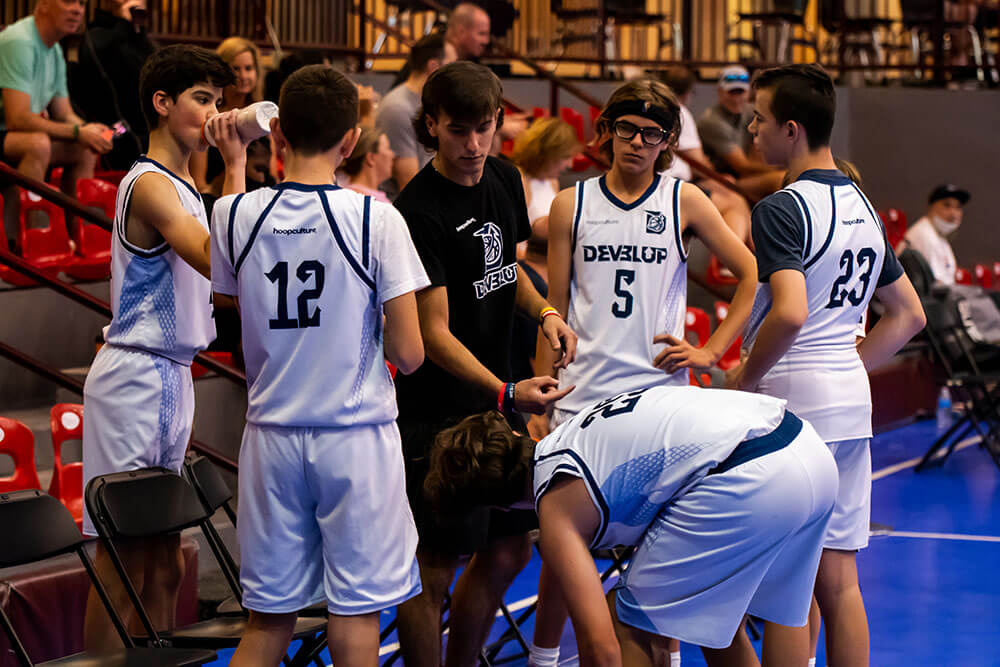
The Bigger Picture: Long Island’s Basketball Culture
It’s also worth noting that Long Island’s basketball ecosystem extends well beyond youth leagues. The region is home to professional ties as well — the Long Island Nets serve as the NBA G League affiliate of the Brooklyn Nets, giving local players a tangible connection between grassroots development and the professional level. That kind of proximity to pro basketball adds an extra layer of motivation for young athletes coming up through travel programs in the area.
Final Thoughts
Choosing among Long Island travel basketball programs ultimately comes down to what a family wants for their young athlete — whether that’s building fundamentals, competing at a higher level, or simply staying active with a structured, supportive team environment. With strong coaching networks, a four-season development calendar, and a regional culture that takes the game seriously, Long Island remains one of the better places for young players to grow their skills year after year.
FAQs
Q. What age can kids start playing travel basketball on Long Island?
Most programs accept players starting around age 7 or 8, though some offer introductory tracks for younger kids still building fundamentals.
Q. How often do travel basketball teams practice and play?
It varies by program, but most teams practice one to three times per week with games or tournaments on weekends during the competitive season.
Q. Why is travel basketball considered better for skill development than rec leagues?
Travel programs offer more structured practice time, higher-level coaching, and tougher competition, all of which accelerate skill growth compared to shorter, less intensive rec seasons.
Q. How much do Long Island travel basketball programs typically cost?
Costs vary widely based on season length and included services, but families should expect fees covering coaching, uniforms, gym time, and tournament entries.
Q. Can a player join mid-season?
Some programs allow mid-season entry depending on roster space, though joining at the start of a season (fall, winter, spring, or summer) usually offers the smoothest transition.